Spring Cleaning With Lemon Oil: Room by Room
Open the windows on the first warm weekend and the whole house smells like something is about to change. That is the real pull of a spring clean, and it is where lemon oil fits: it brings the bright, just-peeled scent of a ripe lemon to a room that is already clean. It does not do the cleaning. Detergent, water, rinsing and a bit of patience do that.
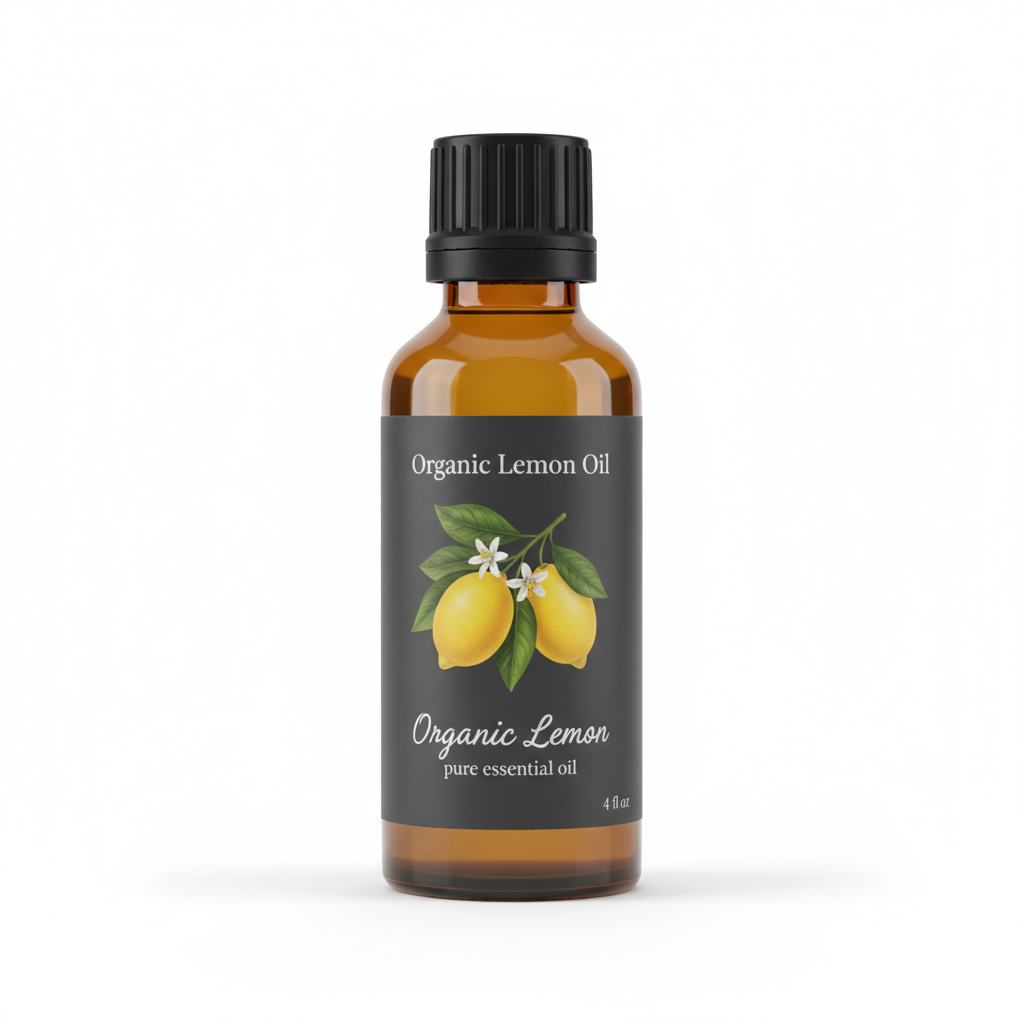
Organic Lemon Essential Oil
Our own Organic Lemon Essential Oil, in sizes from 0.5 oz to bulk.
From $15.99
Shop Now →Start with the order of work
The CDC draws a useful line between two jobs. Cleaning "removes most germs, dirt, and impurities from surfaces," while disinfecting "kills most germs on surfaces and objects" and calls for a product made for that purpose. The same page advises good ventilation indoors, gloves or goggles where a product calls for them, and never mixing products with each other. We make no disinfecting claim for lemon oil, and our vinegar cleaner myths post explains why lab numbers for citrus oils do not carry over to a kitchen counter.
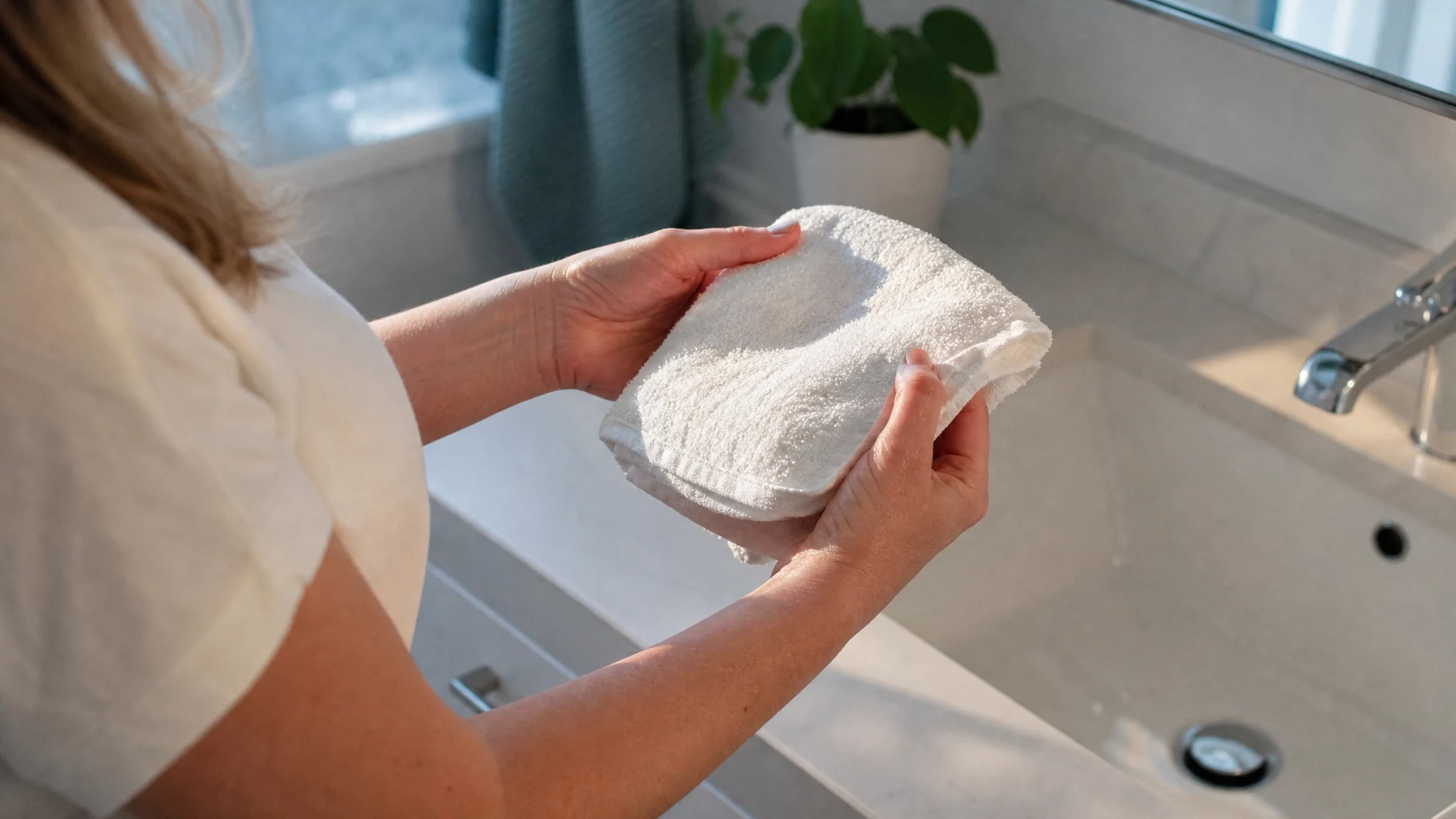
So we suggest this sequence: windows open, clean with the soap or cleaner you already trust, rinse, let it dry, and only then decide whether you want a lemon note. Adding the oil last, and sparingly, keeps the scent clean rather than heavy, and it keeps the amount of limonene in the air modest while you work.
Kitchen: one job where the oil does real work
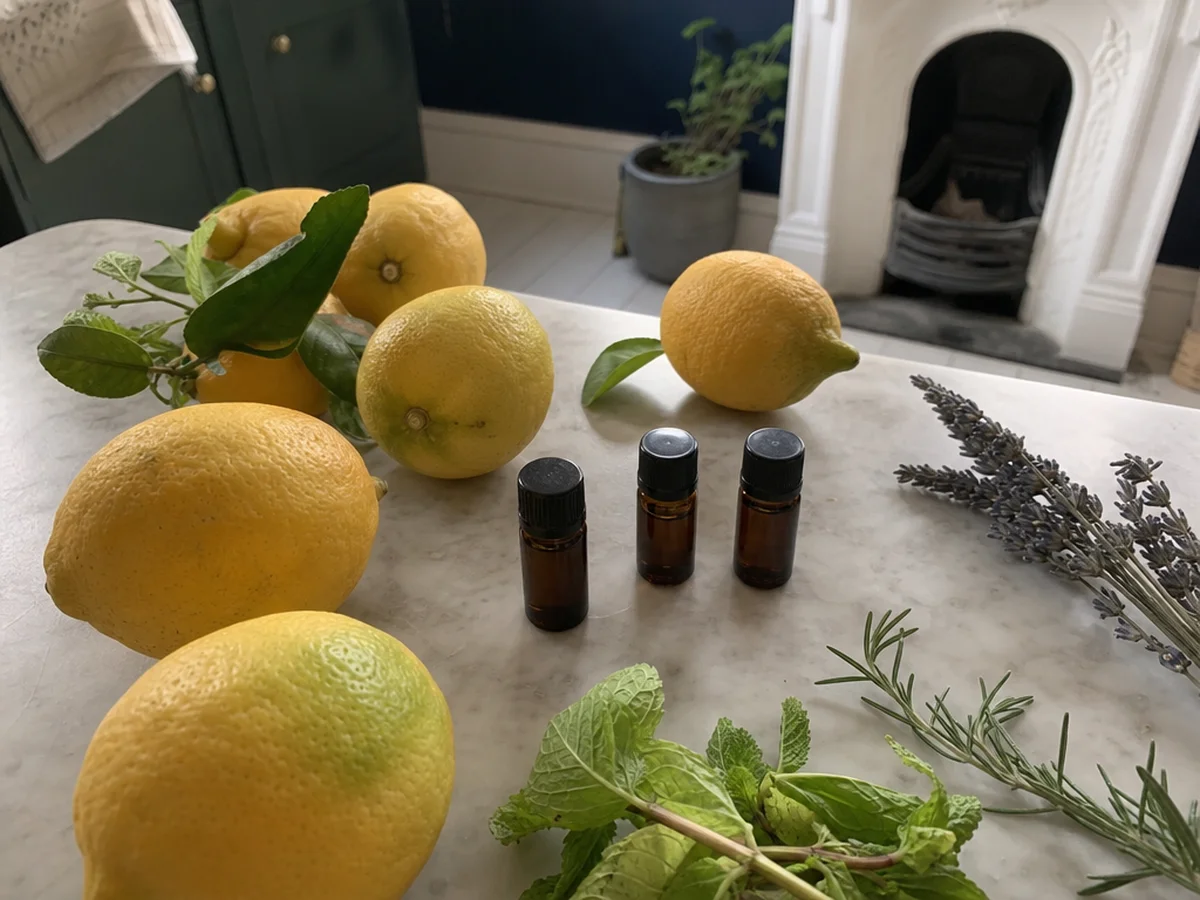
Lemon oil is largely limonene, which mixes readily with other oils and barely dissolves in water. That is exactly why it can loosen sticky label glue and adhesive residue that soap alone will not shift: a few drops on a cloth, a quick test on a hidden corner, a wipe, then a wash with dish soap to take the oil back off. Our sticky residue guide goes through the drop arithmetic. For everyday grease on the hob or counter, hot water and dish soap are simply better, and we would leave the oil in the bottle.
Keep the cloth away from the stove and other heat. Limonene has a low flash point, near 47 C according to one patent describing it as a solvent for polystyrene foam, so oil-soaked rags and open flames do not belong together.
Bathroom, windows and plastics
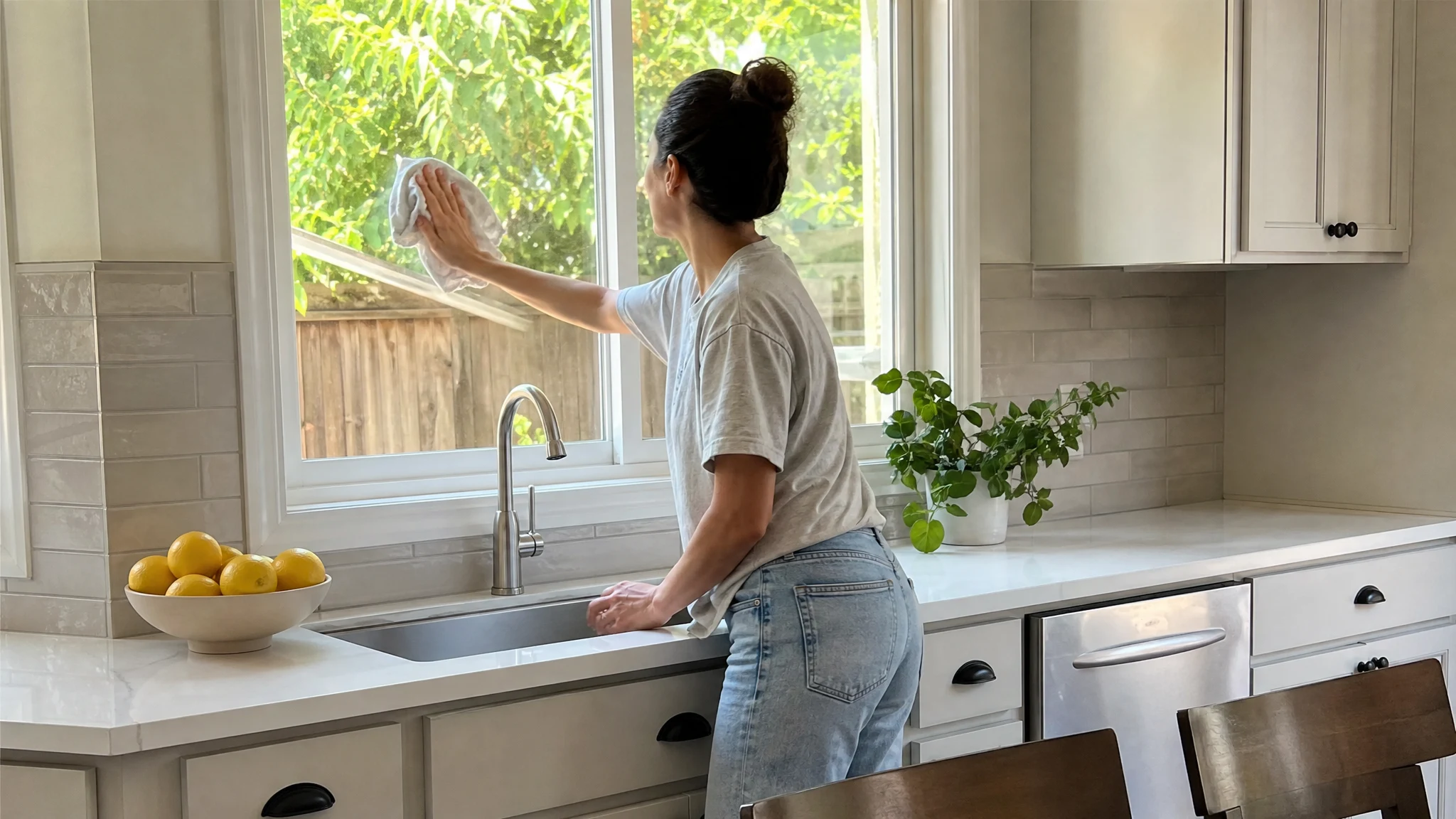
Soap scum and mildew are jobs for a bathroom cleaner used exactly as labelled, and the CDC's advice not to combine products matters most here. Windows and mirrors are better with plain water and a cloth, because oil smears. And that same patent is a good reason to keep lemon oil off foam cups, packing foam and some plastics, since limonene is a known solvent for polystyrene. For any surface not named here, a hidden-spot test is the sensible rule.
Living room: clean the wood, skip the feeding
This is the myth we like to correct gently. The Canadian Conservation Institute's note on furniture finishes says wood does not need to be "fed" to replenish natural oils, and that commercial polishes can leave a sticky film that attracts dust. Its routine is damp dusting, buffing, and careful, infrequent waxing. Lemon oil is a lovely scent, but it is not a wood treatment; our wood polishing post has the detail.
Bedroom and linen
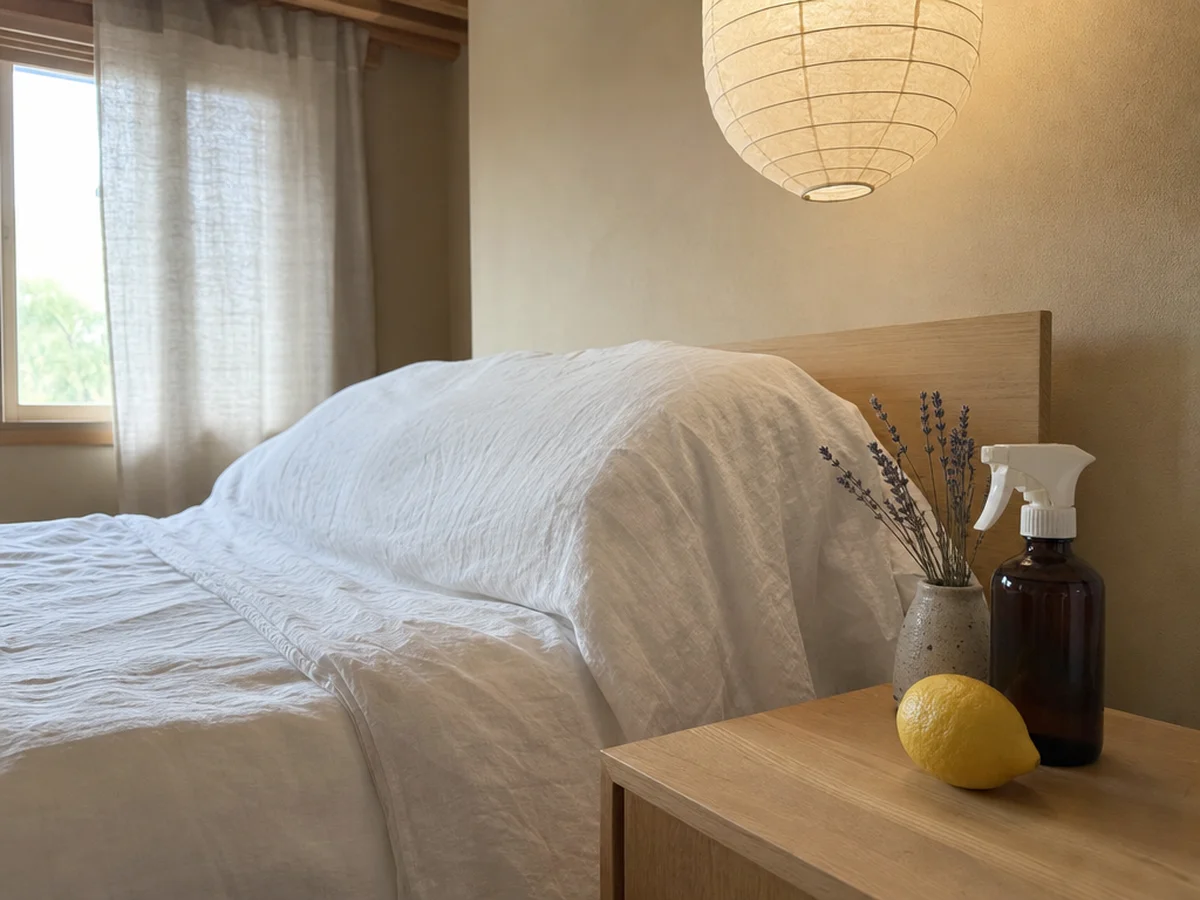
A fresh-smelling linen cupboard is a pleasure, and a scented cloth tucked in a drawer is an easy way to get there. Test on a corner of fabric first, since citrus oil can mark some of them; we cover washing machines and loads in the laundry room post.
Breathing easy while you clean
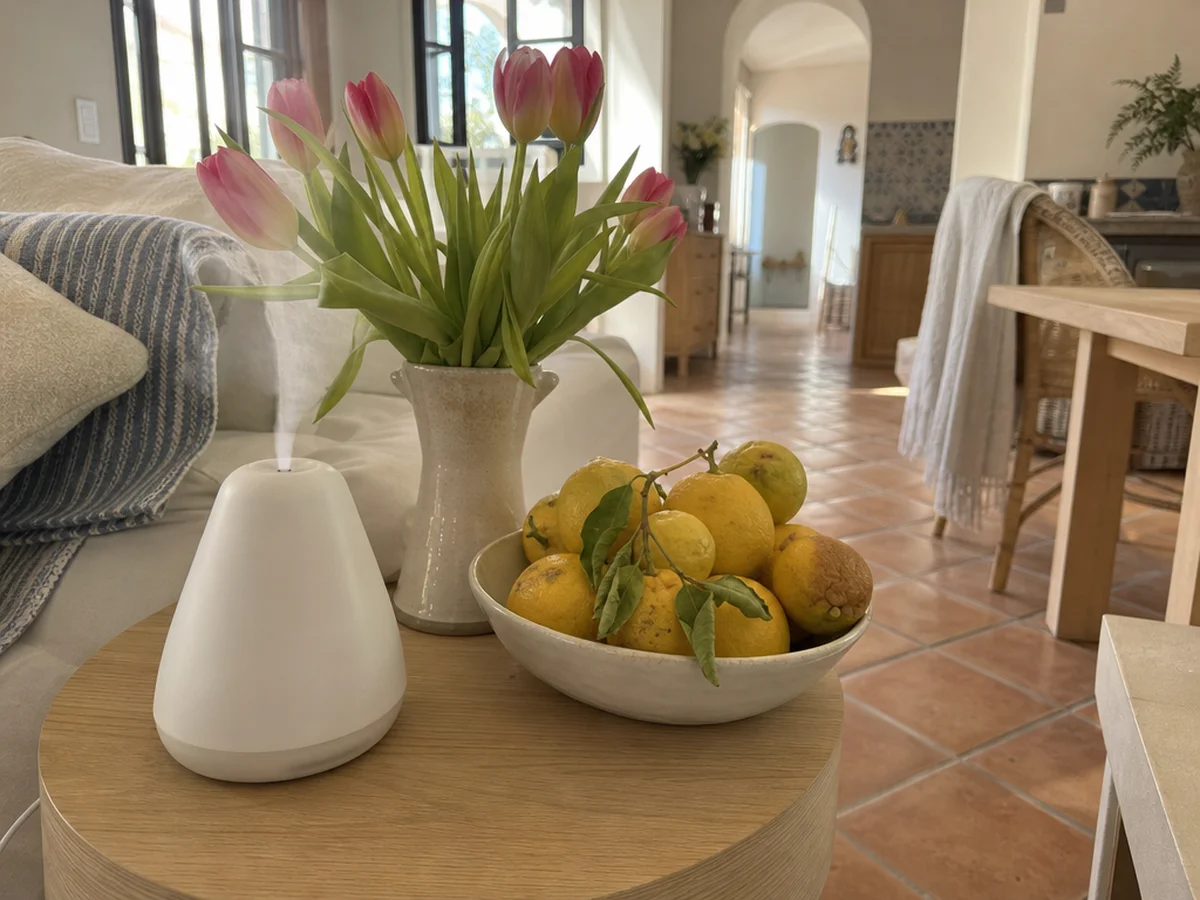
Researchers measured what happens in a closed room when cleaning products and air fresheners are used at full strength, and the terpene levels in the air rose sharply, then fell when products were used diluted. Those were commercial products, not lemon oil by the drop, but the habit they point to is a good one: use small amounts, open a window, and keep the door ajar afterwards. The same logic applies to diffusers. A 2025 pilot study using tea tree oil found a heat diffuser released roughly ten times the terpenes of an ultrasonic one, so if you diffuse lemon, a cool device for a short session is the gentler route.
Homes with animals need extra thought. The ASPCA says a short diffuser session in a space a pet cannot reach is not likely to be an issue, advises pets with breathing problems to avoid diffusers, and says birds should not share a house with one running. It also lists lemon plant material as toxic to dogs and cats. Our pet owner's guide has more, and our oil is never for swallowing.
Your hands and the sun
A long cleaning day puts lemon oil near bare skin, so wear gloves. We recommend diluting to between 0.5% and 2% in a carrier oil for skin use, patch testing first, and staying out of the sun on freshly treated skin. Cold-pressed lemon is phototoxic, which is why IFRA limits it to 2.0% in most leave-on products. Dilution guidance from the Tisserand Institute sits lower for sensitive skin, so we lean toward the low end. If oil does reach bare skin, rinse it off and keep that skin out of strong sunlight; Tisserand advises at least 12 hours. Our skin guide covers it fully.
If you would rather scent a room than a surface, our lemon room spray post shows how. Either way, finish the job with the windows still open, and let the clean smell of the house do the talking.
One small tradition we like: end the day with a cup of tea and a quick walk through the clean rooms with the windows still open. You will notice the clean smell of soap and fresh air first, and any lemon note afterward, and that is exactly how it should be.
Organic Lemon Essential Oil
Organic Lemon Essential Oil from our own shop, in sizes from 0.5 oz to bulk.
From $15.99
Shop Now →Sources & Further Reading
- CDC. When and How to Clean and Disinfect Your Home. cdc.gov
- Canadian Conservation Institute. Care of Furniture Finishes - CCI Notes 7/2. canada.ca
- Shiino T et al. Solvent for polystyrene, method for reducing volume of polystyrene foam and method for recycling polystyrene foam. US Patent 5,629,352. patents.google.com
- Singer BC et al., 2006. Cleaning products and air fresheners: emissions and resulting concentrations of glycol ethers and terpenoids. Indoor Air. europepmc.org
- Zisook RE et al., 2025. Volatile organic compound and particle emissions from the use of tea tree oil in essential oil diffusers. J Occup Environ Hyg. doi.org
- ASPCA. The Essentials of Essential Oils Around Pets. aspca.org
- ASPCA. Toxic and Non-toxic Plants: Lemon. aspca.org
- Tisserand Institute. Phototoxicity: essential oils, sun and safety. tisserandinstitute.org
- IFRA. IFRA Standards, 51st Amendment (Lemon oil cold pressed). ifrafragrance.org