Lemon Cuticle Oil: A One-Drop Recipe for Hands
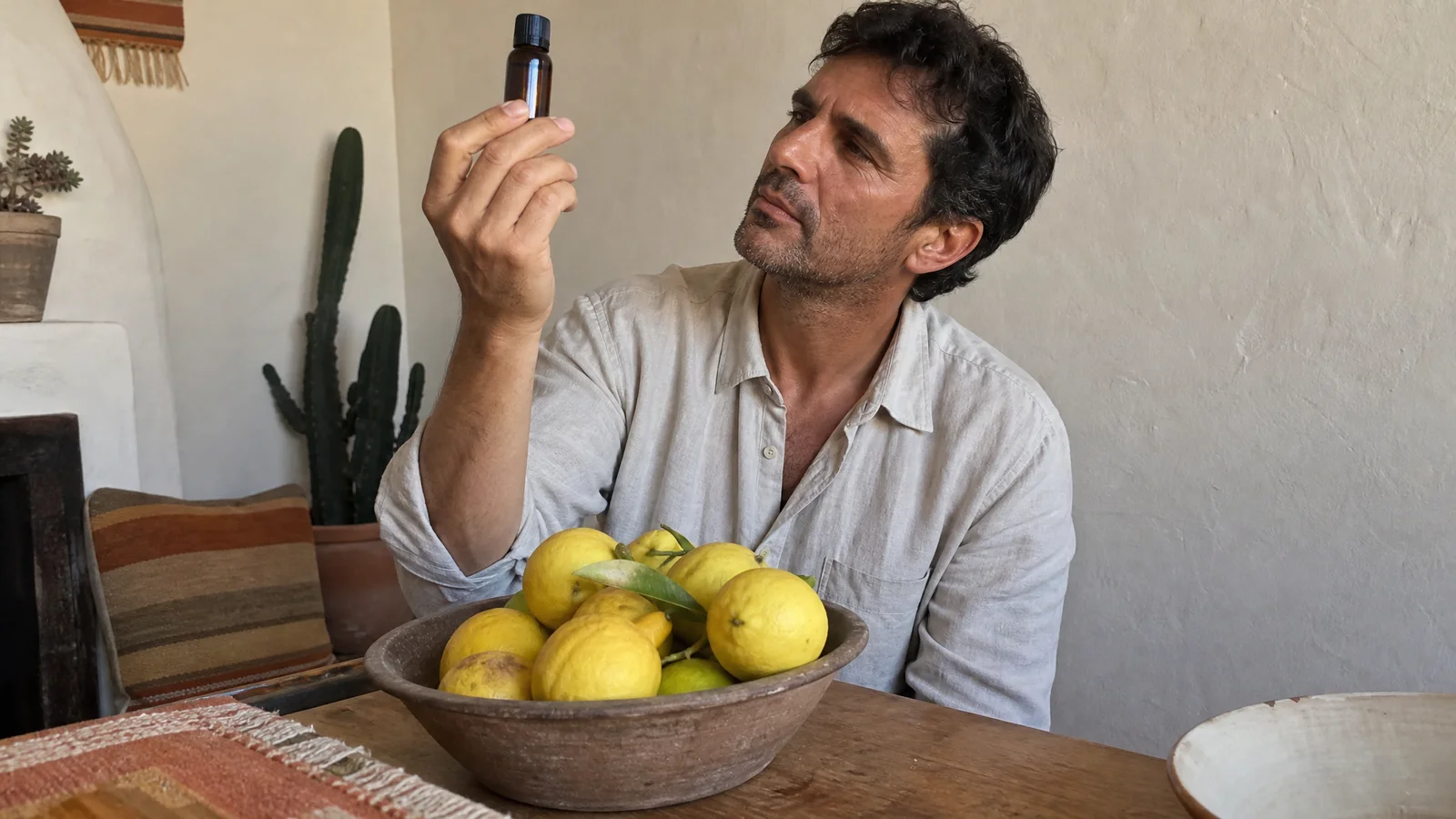
Cuticle oil is the smallest recipe in the cupboard: a little carrier oil in a dropper bottle, rubbed in at night. Lemon is a pleasant, clean-smelling thing to add, and it takes surprisingly little. For 10 g of oil, which is a small dropper bottle, a single drop of lemon is enough.
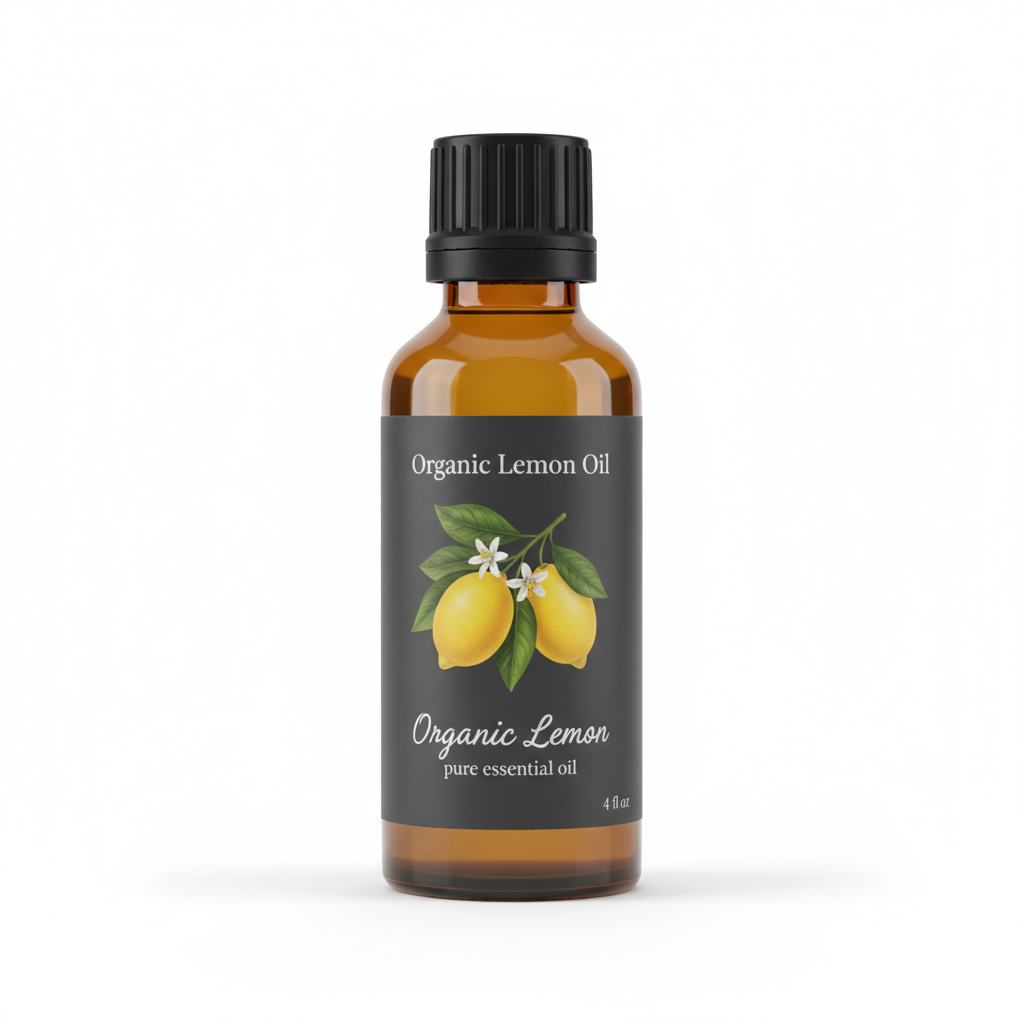
Organic Lemon Essential Oil
Our own Organic Lemon Essential Oil, in sizes from 0.5 oz to bulk.
From $15.99
Shop Now →Why one drop is plenty
The arithmetic is simple. For the batch on our Certificate of Analysis, relative density is 0.849, so a drop weighs roughly 0.042 g at about 20 drops per ml. Into 10 g of carrier, that single drop comes to about 0.4%. Droppers vary, so treat the figure as approximate, but it is a useful picture of how little oil it takes to scent a bottle.
| Lemon oil in 10 g of carrier | Drops, about | Where it sits |
|---|---|---|
| 0.2% | half a drop | bottom of Tisserand's range for sensitive skin |
| 0.4% | 1 | our suggestion for hands |
| 0.5% | about 1.2 | bottom of our 0.5% to 2% skin range |
| 2% | about 5 | IFRA ceiling for nail care products |
Our general skin guidance for lemon oil is 0.5% to 2% in a carrier, with a patch test first. For hands we choose to sit just under the bottom of that range. The IFRA guidance places nail care products, including cuticle creams, in its leave-on Category 5C, where the Standard for cold-pressed lemon oil allows up to 2.0%, and the Tisserand Institute reminds readers that this is the maximum, not a recommended amount. Its dilution ranges run lower for skin that is sensitive or has small cracks, 0.2% to 1%, and cuticles are often exactly that. They are also on the most sun-exposed skin most of us own.
Hands, sun and a pigment risk worth knowing
Cold-pressed lemon oil is phototoxic, meaning it can react with UV light on skin. DermNet describes phytophotodermatitis, the reaction caused by plant furanocoumarins plus UVA light, as showing up around one to two days after sun exposure, sometimes leaving darker pigmentation that can last for years, with hands and fingers among the places it appears. That is a good argument for three habits: use the oil at night, keep the dose tiny, and keep treated fingers out of strong sun for at least 12 hours, which is the margin the Tisserand Institute gives after a phototoxic amount of oil.
Choosing the bottle
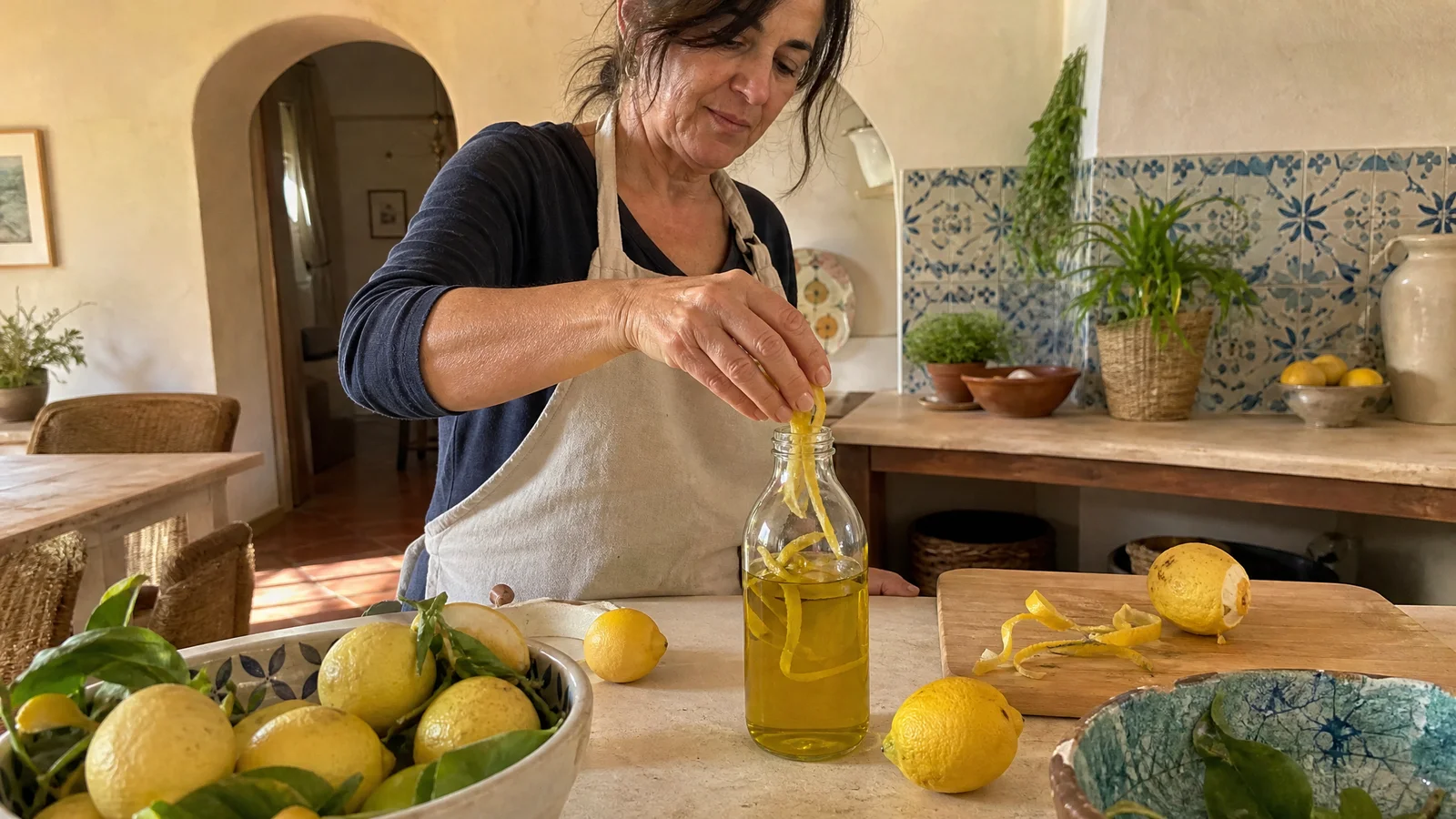
A small dropper bottle in dark glass is the classic choice, and craft shops and pharmacies sell them cheaply. Pick one with a dropper that releases slowly, since you want to count single drops. Rinse and dry the bottle thoroughly before you start, because any water left inside does not mix with oil. Keep the bottle capped between uses so the lemon note stays fresh.
The little recipe
This is a formulation worked out from the numbers above, so use a patch test on your inner forearm first and stop if skin reacts.
- Weigh 10 g of a light carrier oil into a small dropper bottle. Jojoba and sweet almond are common choices from a pharmacy or craft shop, and our carrier oils post compares what each brings.
- Add one drop of our lemon oil. If you prefer an unscented oil, leave it out and you still have a cuticle oil.
- Cap it, tilt gently to mix, label it with the date and keep it away from eyes, children and pets.
- At bedtime, put a very small amount on each nail base and rub it in.
The scent is the point here, a fresh peel note that fades fast as lemon always does. A scent that disappears quickly is a reason to enjoy it in the moment rather than add more oil.
Making it a bedtime habit
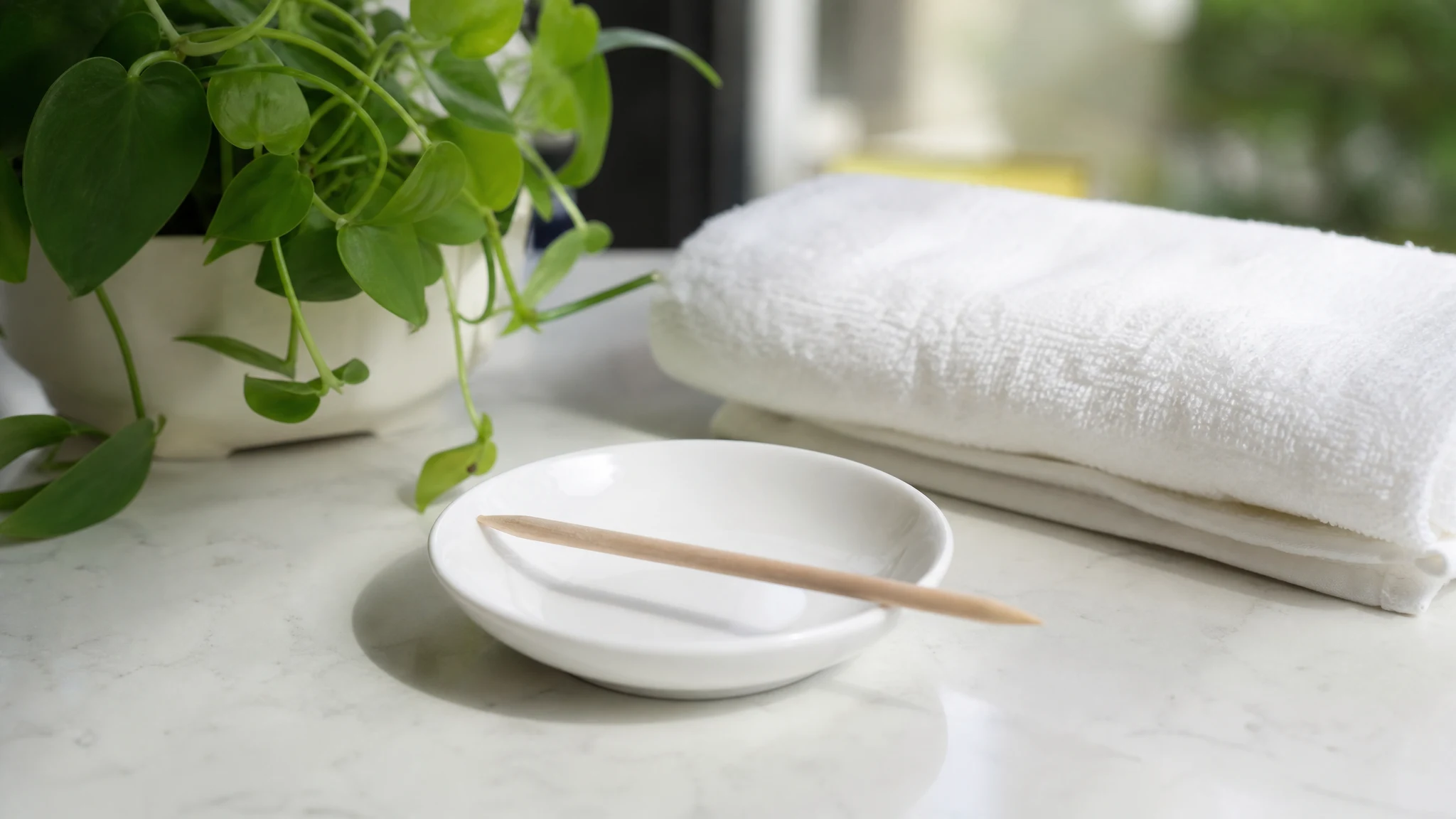
The easiest way to remember is to park the bottle somewhere you will see it at night, next to your toothbrush or your bedside lamp. Use the smallest bead of oil on each nail base and rub gently for a few seconds. You will notice the lemon scent for a moment and then it fades. Wipe your fingertips on a towel before you touch your face or your pet, and keep your hands away from your eyes.
If you want the bottle to feel like a little treat, label it nicely with the date you made it and what is in it. A clear label also helps anyone else in the house know to keep it away from children.
If you give it as a small gift, add a handwritten label with the carrier, the single drop of lemon and a reminder to keep it out of strong sun. A thoughtful label is half the charm.
Looking after cuticles themselves
The American Academy of Dermatology advises against cutting cuticles or pushing them back forcefully, and says that when they need tidying, you should do it gently after a bath or shower when they are soft. Its nail care tips also recommend moisturizing after washing your hands, and seeing a dermatologist if nails change shape or colour, swell or become painful. A red, swollen or tender nail fold is something for a professional, not a bottle. Keep the oil for ordinary dry cuticles.
For a wider look at the rules for lemon on skin, our skin guide covers patch testing and sun in more detail, and the storage post explains why a capped bottle in a cool, dark place keeps the oil fresh. Old oil that has oxidized is more likely to bother skin than fresh oil.
One drop, one bottle, one habit at bedtime. It is a pleasant way to give your hands a little attention.
Organic Lemon Essential Oil
Organic Lemon Essential Oil from our own shop, in sizes from 0.5 oz to bulk.
From $15.99
Shop Now →Sources & Further Reading
- American Academy of Dermatology. 11 dermatologists' tips for healthy nails. aad.org/healthy-nail-tips
- American Academy of Dermatology. Manicure and pedicure safety. aad.org/manicure-pedicure-safety
- DermNet. Phytophotodermatitis. dermnetnz.org/topics/phytophotodermatitis
- Tisserand Institute. Dilution for essential oils. tisserandinstitute.org/dilution-essential-oils
- Tisserand Institute. Phototoxicity: essential oils, sun and safety. tisserandinstitute.org/phototoxicity-essential-oils-sun-and-safety
- IFRA. IFRA Standards, 51st Amendment (Lemon oil cold pressed). ifra-standards-51st-amendment.pdf
- IFRA. Guidance for the Use of IFRA Standards, 51st Amendment (product category lists). ifrafragrance.org guidance PDF