How Lemon Oil Is Made: From Peel to Bottle
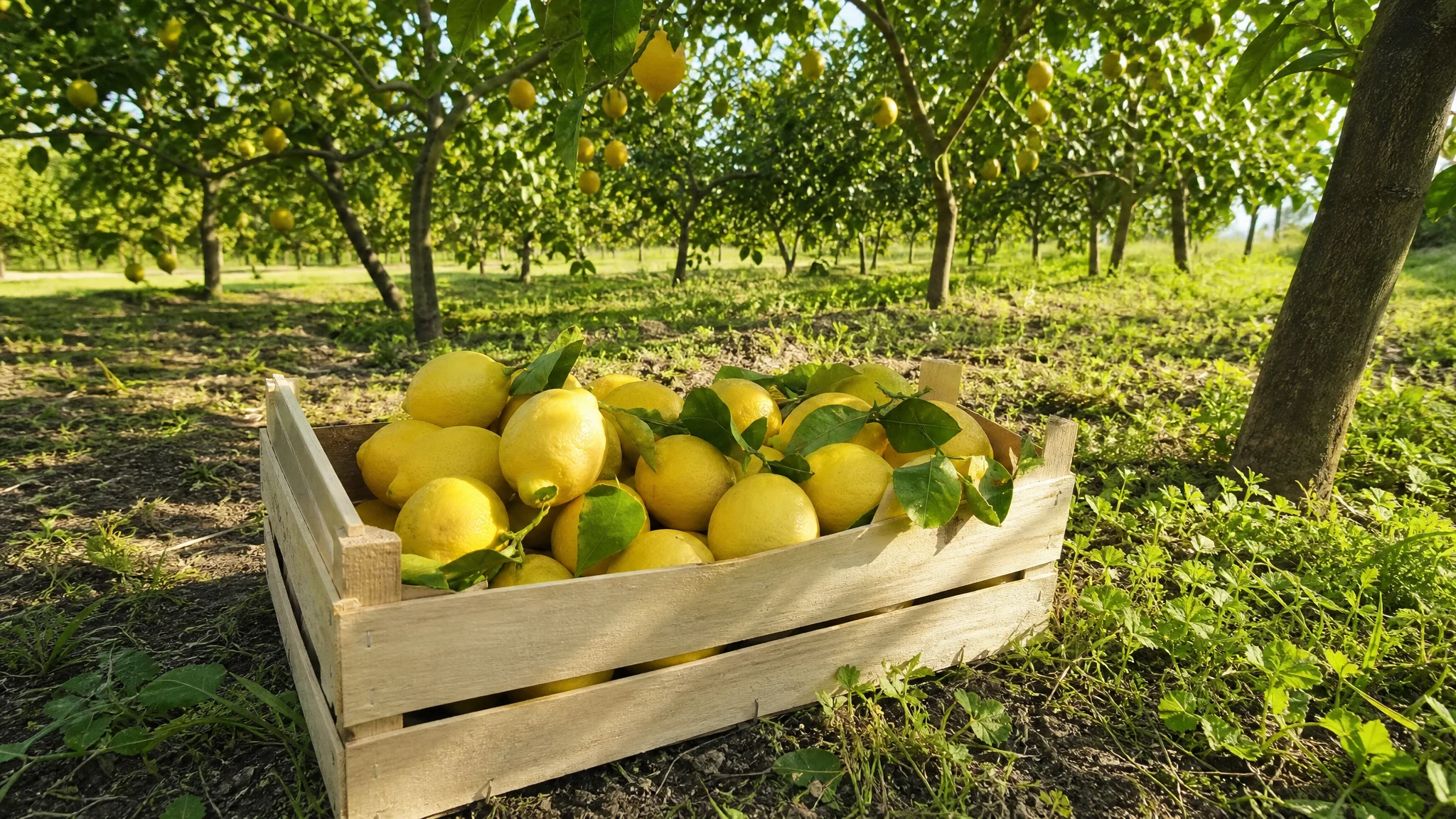
Score a lemon peel with your thumbnail and a fine mist of oil sprays up and the whole kitchen smells of it. That mist is what cold pressing captures. The skin of the fruit is dotted with tiny oil glands, and the idea is to break them open and wash the oil away without any heat or steam. The result is the bright, sunny oil we sell, and the way it is made explains a lot about why one bottle can differ from the next.
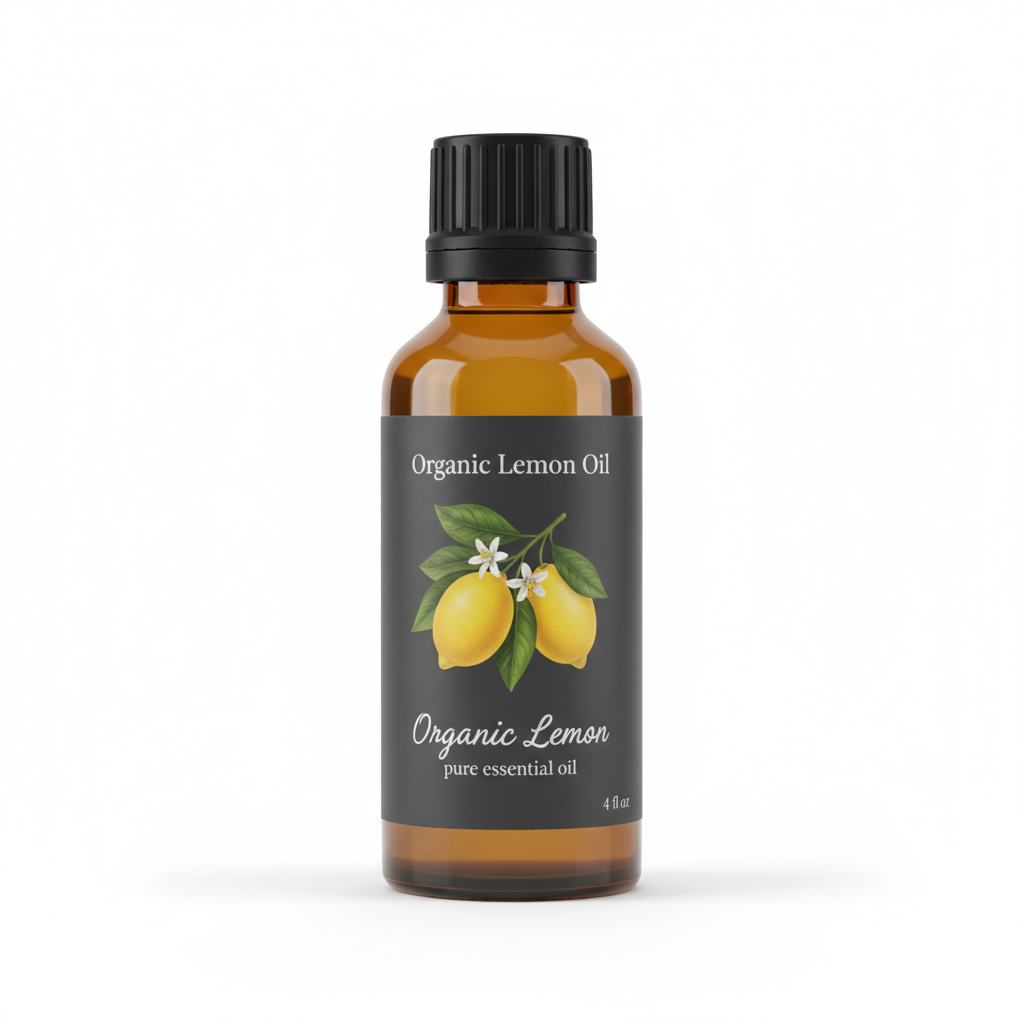
Organic Lemon Essential Oil
Our own Organic Lemon Essential Oil, in sizes from 0.5 oz to bulk.
From $15.99
Shop Now →The steps, as one producer describes them
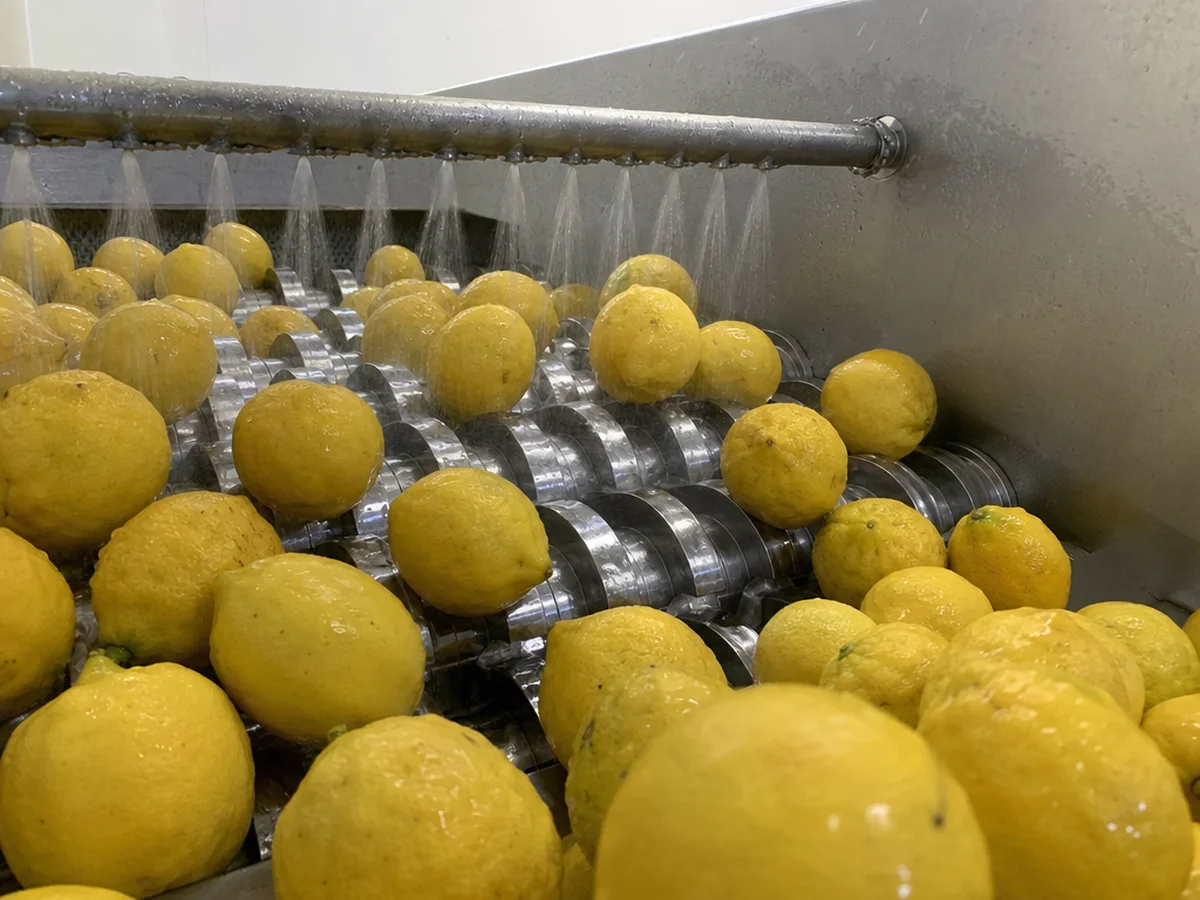
The European Food Safety Authority described the process used by one producer of expressed lemon oil. The pharmacopoeia defines the oil as obtained by a suitable mechanical procedure without heating from the fresh peel. First the surface of the peel is scarified so the oil cells break open. Water is sprayed over the fruit to carry the released oil away, and the watery suspension is filtered to remove cell debris. Finally a centrifuge separates the oil from the water and removes fine particles (Safety and efficacy of feed additives consisting of expressed lemon oil and its fractions from Citrus limon (L.) Osbeck and of lime oil from Citrus aurantiifolia (Christm.) Swingle for use in all animal species (FEFANA asbl)). Other processors vary the details, but the principle is the same: a mechanical release of what the peel already holds.
Our oil is sold as cold-pressed from the peel of Citrus limon, and the Certificate of Analysis on our site lists the extraction method as cold pressed. It is bottled and shipped from our US facility.
Try it with a lemon from your kitchen
You do not need a factory to understand the idea. Take a fresh lemon, hold it near your face, and scratch the peel firmly with your thumbnail. That fine, fragrant spray and the slight slick it leaves on your fingers is the oil from those tiny pockets. Now do it to a second lemon and notice how the two smell a little different, one sharper, one sweeter. That small difference is what the rest of this article is about, only on a much bigger scale.
Why two cold-pressed oils are not identical
Because pressing is a physical process on a natural crop, the oil carries the fingerprint of its fruit. Italian researchers analysed 92 Sicilian lemon oils made over a single season, September to June, by two industrial cold-pressing methods, specifically to look at how season and method change composition (Sicilian lemon oil: Composition of volatile and oxygen heterocyclic fractions and enantiomeric distribution of volatile components.). Another group extracted peel oil from four lemon varieties on four harvest dates and found that oil amounts generally fell as the fruit ripened, peaking in November or December depending on the variety (Variations of peel essential oils during fruit ripening in four lemon (Citrus limon (L.) Burm. F.) cultivars.). That was laboratory extraction, so it shows a direction rather than a number for any bottle.
Within a single standard there is still a natural spread. The ten expressed batches in the EFSA opinion had d-limonene between about 61% and 67%, comfortably inside the specification, and none of them was alike. A range is simply what a crop gives you. This is also why we encourage buyers who care about exact composition to ask for GC-MS in writing before ordering, and why our GC-MS post explains how to read one.
What cold pressing keeps
Skipping the heat keeps the fresh, juicy top note that makes lemon oil so lovely. It also keeps the furocoumarins that distillation largely leaves behind. The Tisserand Institute reports that a distilled lemon oil had 22 times less bergapten and 930 times less citropten than an expressed one (Phototoxicity: essential oils, sun and safety - Tisserand Institute). That is why cold-pressed lemon oil is phototoxic, and why we recommend 0.5% to 2% in a carrier, a patch test, and no sun on freshly treated skin. Cold describes the heat, not the strength. Our skin guide has the full picture.
What you will notice in the bottle
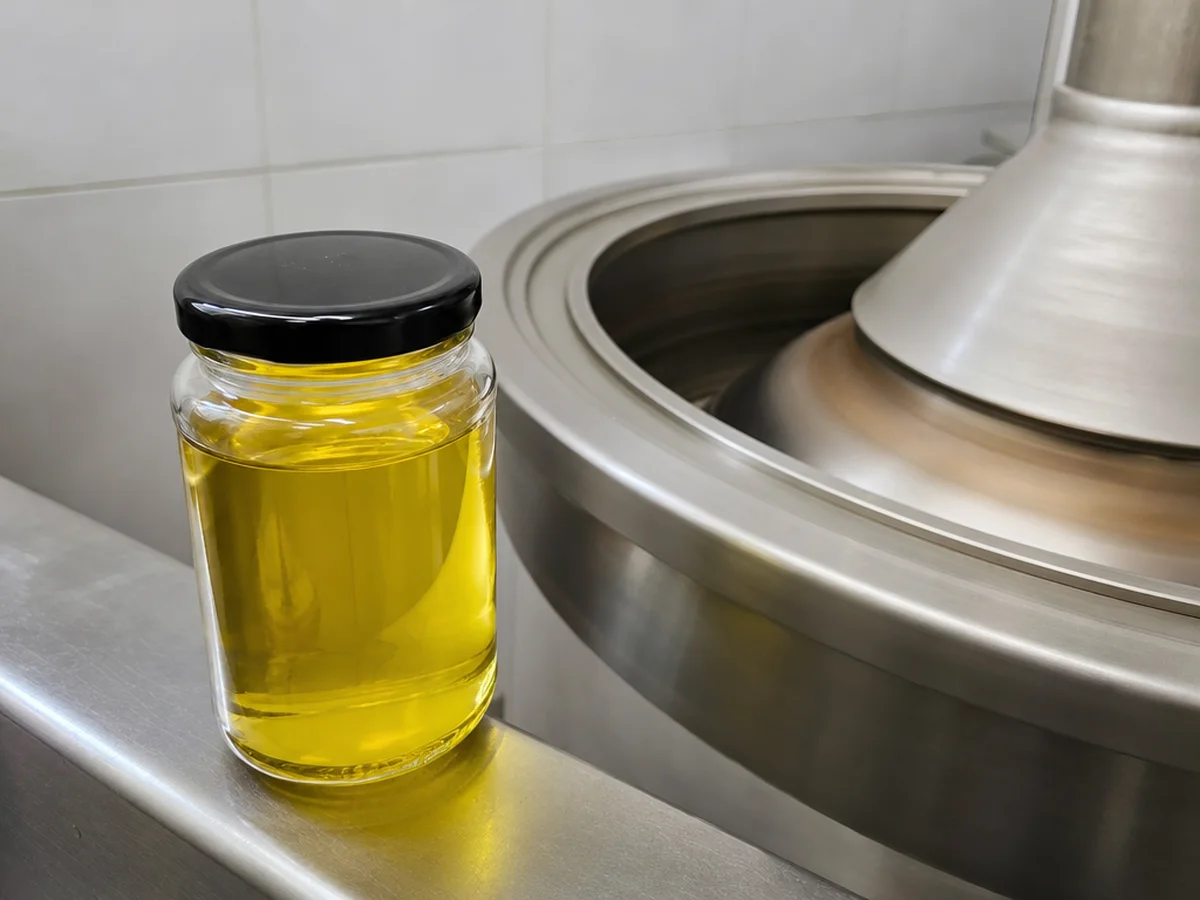
Fresh cold-pressed lemon oil is thin, almost like water, and pale yellow. It pours quickly, so tip the bottle slowly and keep the cap close at hand. Hold it a little away from your nose first, since the top note is lively. Over time, the color can deepen slightly with age and exposure to air and light, which is one more reason to keep the cap on and to use a bottle while it still smells like a fresh peel.
After the press
The second half of the story is air. Limonene reacts with oxygen, and its oxidation products are known skin sensitizers. In a 1992 guinea pig study, air-exposed limonene sensitized while unexposed limonene did not (Air oxidation of d-limonene (the citrus solvent) creates potent allergens.). Our oil has nothing added, so the cap is its main protection. We keep it capped, cool and away from light, and our bulk guidance is to decant working amounts into smaller airtight glass bottles instead of reopening a large container. The date on your bottle governs how long it keeps, and the storage post has the working habits.
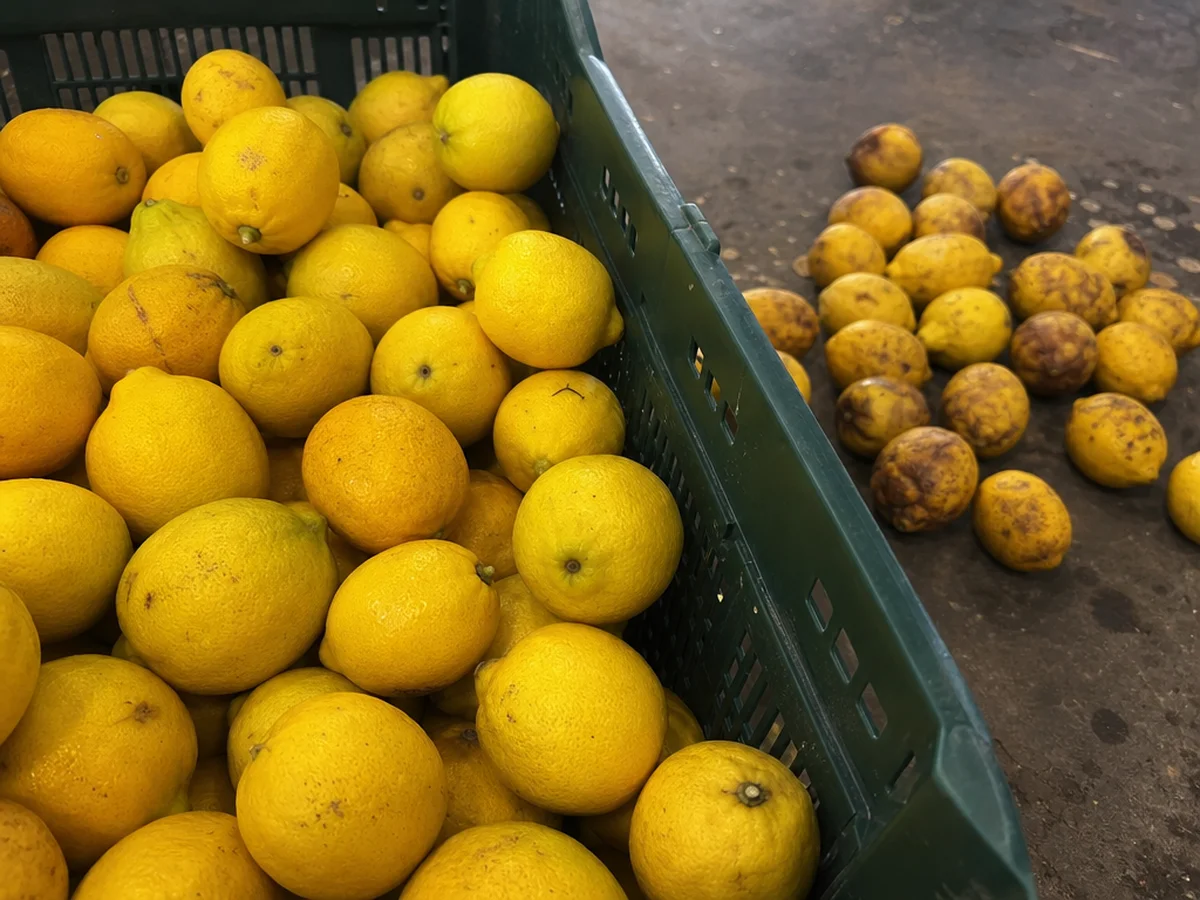
We like cold-pressed lemon for exactly this reason: nothing in it feels manufactured. It smells like the fruit's skin because it is the fruit's skin oil, and that honest, sparkling character is what we hoped to share.
If you are comparing lemon oils, the useful questions are simple: which method, which harvest, what analysis exists, and how old is it. We are always happy to take those questions in writing through the contact page.
Organic Lemon Essential Oil
Organic Lemon Essential Oil from our own shop, in sizes from 0.5 oz to bulk.
From $15.99
Shop Now →Sources & Further Reading
- Safety and efficacy of feed additives consisting of expressed lemon oil and its fractions from Citrus limon (L.) Osbeck and of lime oil from Citrus aurantiifolia (Christm.) Swingle for use in all animal species (FEFANA asbl)
- Sicilian lemon oil: Composition of volatile and oxygen heterocyclic fractions and enantiomeric distribution of volatile components.
- Variations of peel essential oils during fruit ripening in four lemon (Citrus limon (L.) Burm. F.) cultivars.
- Phototoxicity: essential oils, sun and safety - Tisserand Institute
- Air oxidation of d-limonene (the citrus solvent) creates potent allergens.