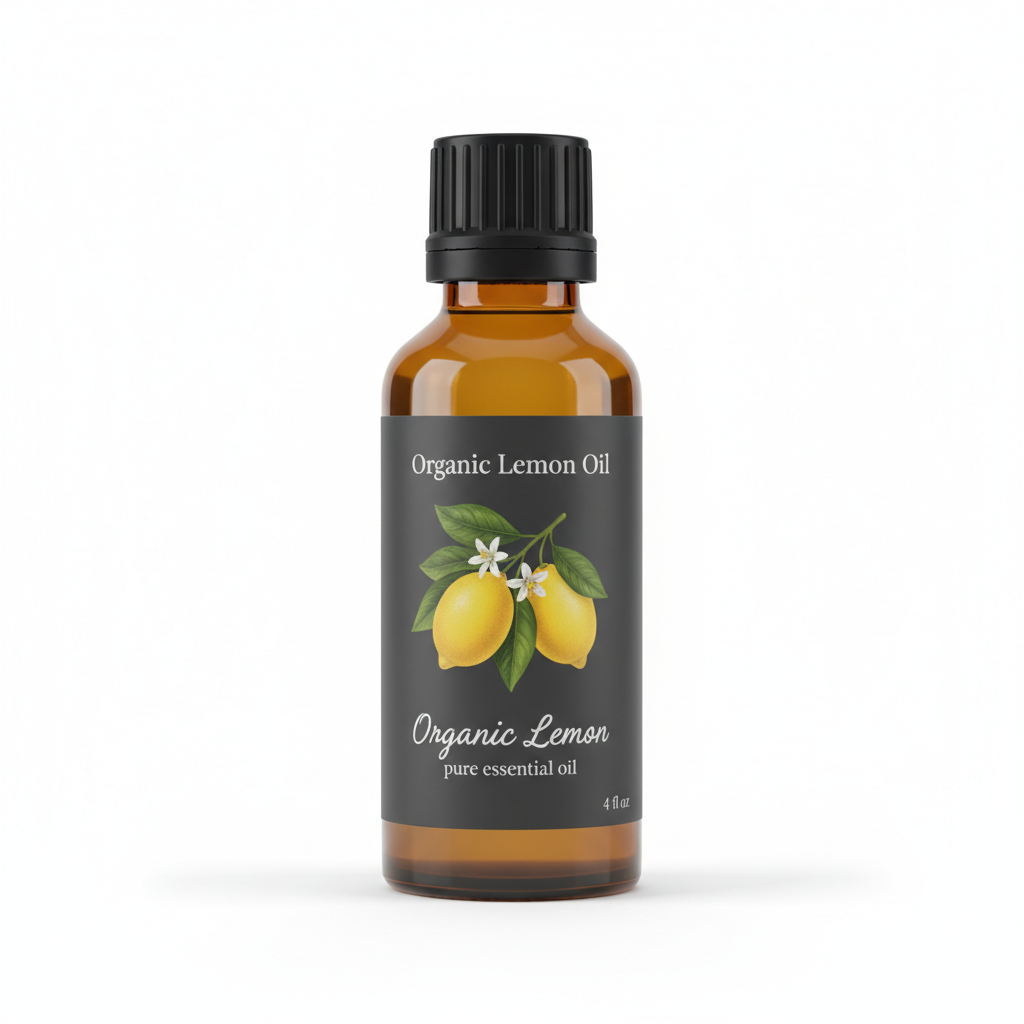
Organic first, then measured.

Where It Comes From

Peel oil is an extract of the outside of the fruit, which is the whole reason we screen it as hard as we do.

Tucuman Where Ours Comes From
Every Lot Multi-Residue Panel
HPLC Bergapten Quantified
18 mo From the Pressing Date

An Extract of the Fruit's Outside

The oil sits in the flavedo, a fraction of a millimeter under the skin of the lemon. Concentrating that layer concentrates everything else that reached it.

Post-harvest fungicides are the specific concern. Compounds like imazalil, thiabendazole and orthophenylphenol are applied straight onto fruit and they are fat-loving, so they move readily into an oil phase. Whatever was on the outside can arrive in the bottle at a multiple of the concentration it started at.

Our lots are grown under certified organic practice, and that is the first and best control: the grove skips synthetic sprays, so there is far less to find. We still run the panel on every lot, because a certificate describes an intention and an analysis describes a result.

Organic, then measured, then dated. Any one of those on its own leaves a gap you would rather not find out about later.

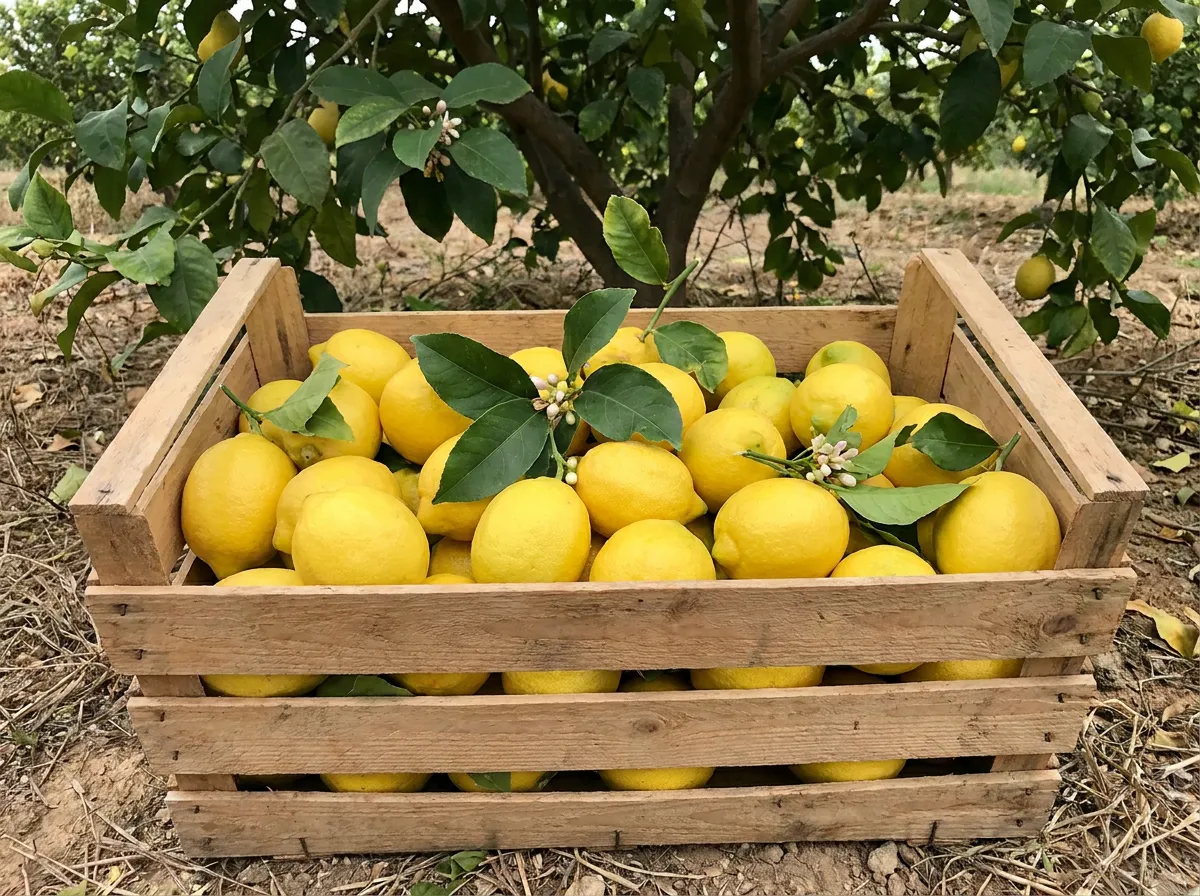
Rows of lemon trees heavy with ripe fruit in a subtropical grove

Where Argentina Sends It From

Ours comes from Argentina, and principally from Tucuman in the northwest, a province that supplies more lemon oil than anywhere else on earth. That scale is not glamorous, and it is the reason lemon exists as a consistent article year after year at a price that makes sense.

Buying into the largest producing region also means buying into a mature one. The extractors there are industrial operations with laboratories attached, working to written specifications, which is exactly what makes writing a specification worth the trouble.

We buy from named extractors rather than through anonymous brokers, so a question about a lot has somebody at the other end of it.
Nobody Presses Lemons For the Oil

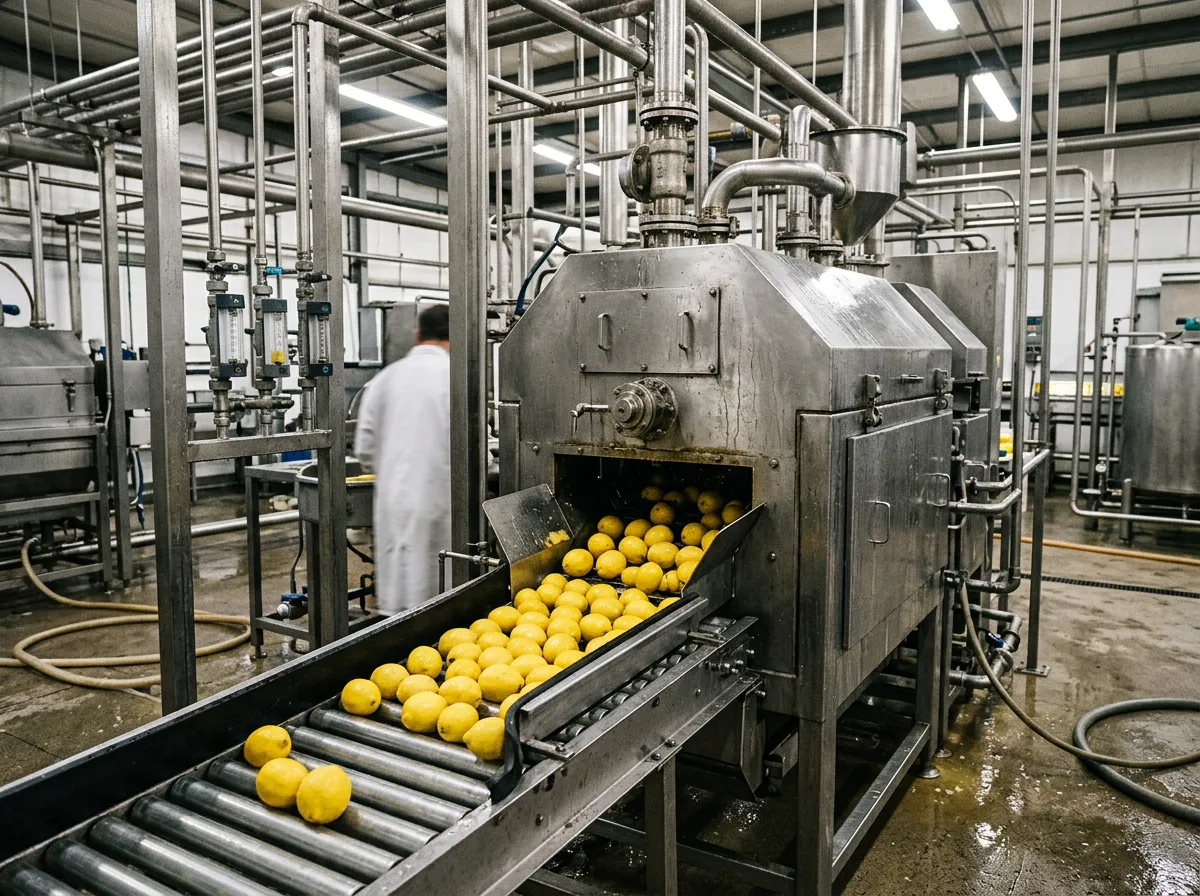
Here is the part most brands leave vague. This oil is a co-product of juicing. Whole fruit goes into an in-line extractor, juice and peel oil come off the same pass, and the oil leaves the machine as an emulsion in water. Essentially all commercial citrus oil is made this way, and a brand claiming its own citrus press is describing something that barely exists commercially.

From there it is desludged in a centrifuge to drop solids, separated from the water in a high-speed polisher, held near freezing for days so the natural waxes precipitate out, and polish filtered. That cold hold is why a good lemon oil looks bright instead of hazy, and skipping it is the usual shortcut.

We do not own that line and will not imply we do. On the oils we make ourselves, the whole claim is that the still is ours. Citrus inverts it: nobody presses this for us, so what we owe you is the testing.

Stainless in-line citrus extraction equipment in a juice plant

Three Analyses Per Lot

Independent laboratories rather than ours, and the results follow the lot instead of the brand.

Multi-residue panel

Several hundred analytes by GC-MS/MS and LC-MS/MS, including the post-harvest fungicides that partition into peel oil.

Bergapten by HPLC

Quantified on lemon specifically. It drives the phototoxicity, and a great deal of lemon paperwork leaves it out altogether.

Composition profile

Limonene and the citral pair against what pressed Citrus limon should look like, which is also how an added terpene fraction gives itself away.

Ask against your lot number and the results come back to you. We publish no download and no badge, because a badge is not an analysis.

Lemon and Sunlight

Cold-pressed lemon is phototoxic. Standard dermal safety references put the ceiling near two percent in leave-on products intended for sun-exposed skin, and that figure exists for a reason. We would rather print it than bury it three clicks away.

We do not currently offer a furocoumarin-free lemon. FCF material is real, made by vacuum distillation or column chromatography, and it is the right choice for leave-on cosmetics at higher strengths. It also smells noticeably different, so it is a separate material and not a safer version of this one.

Age matters here more than aroma alone suggests. Limonene oxidizes into hydroperoxides that are established skin sensitizers, so an old bottle is not simply flatter, it is a different proposition on skin. Dilute it, try a small area first, keep it capped and cool. We make no medical claims for it.

Pressing Date

Stamped on the bottle. Not a best-by figure calculated backwards from one.

Amber Glass

Every size, from the half ounce sample up to the drum.

Nothing Added

No antioxidant, no diluent, no folding. Lot and country of origin on the label.

Six Positions On Organic Lemon

What holds on every lot, in a poor season as much as a good one.

Organic Grove First

Certified organic practice, so there is less on the fruit to begin with.

Panel Before Bottling

Residue screening on every lot, organic status notwithstanding.

Bergapten Quantified

Asked for by HPLC, because most lemon paperwork skips the compound entirely.

Phototoxicity In Print

Stated on the page with the number, rather than softened into a hint.

One Strength Only

No fivefold, no terpene-less, no concentrate wearing this label.

Short Rather Than Filled

A poor season means we are out of stock, not that a lot we cannot name goes in.

Organic, Measured, and Dated

Citrus limon grown without synthetic sprays in Tucuman, taken off the juice line, screened for residues, quantified for bergapten, and stamped with the day it was pressed.

Buy it fresh and keep it cold.

Shop Organic Lemon Oil
These statements have not been evaluated by the FDA. Products are not intended to diagnose, treat, cure, or prevent any disease.