Lemon Infused Olive Oil or Essential Oil: Which Is Which?
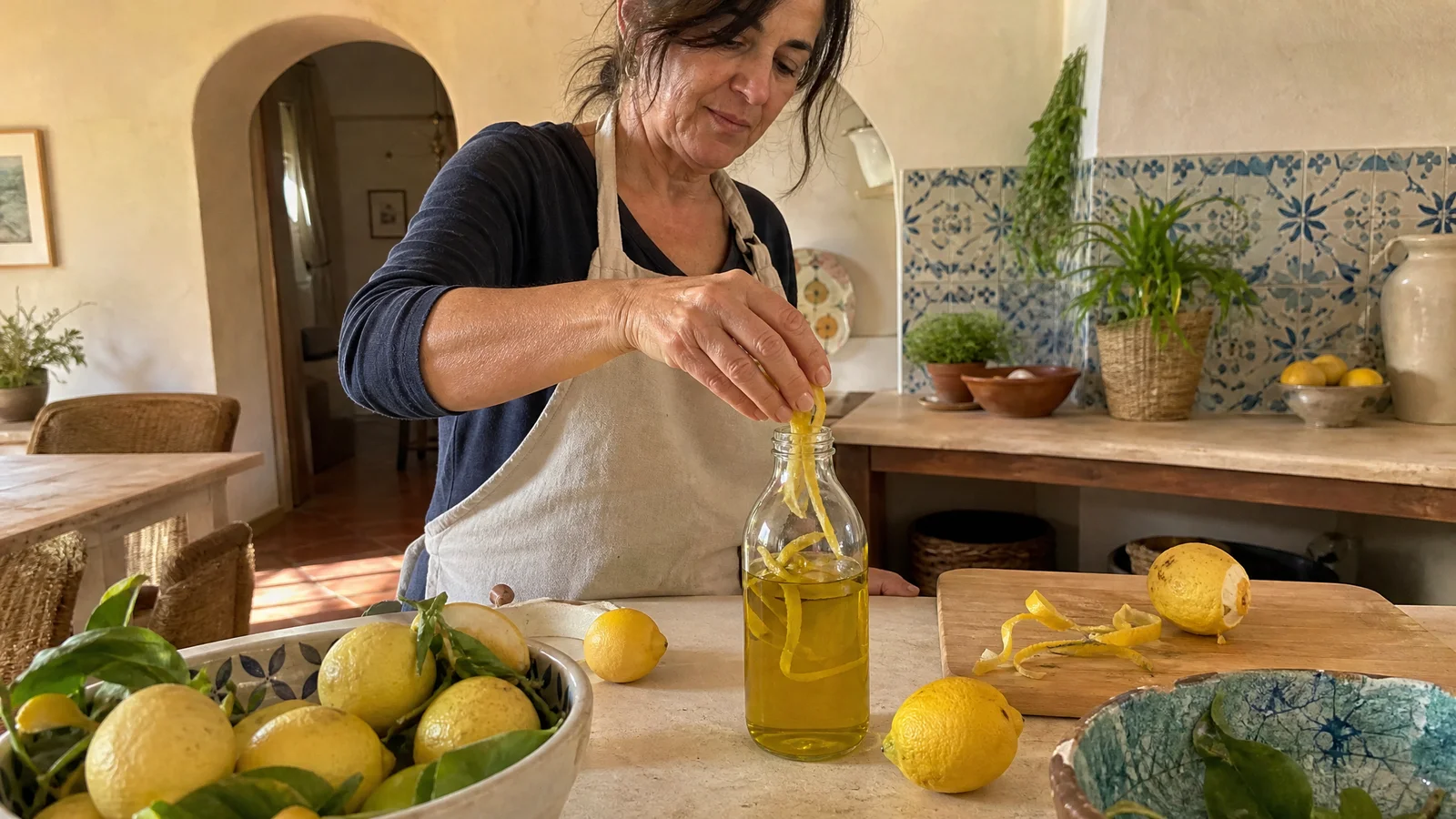
A jar of lemon zest sitting in olive oil and a bottle of lemon essential oil share a smell and not much else. One is a kitchen project. The other is a concentrated peel oil that belongs to the workshop and the diffuser shelf. Knowing which recipe is asking for which saves a lot of confusion, and in one direction it matters for safety.
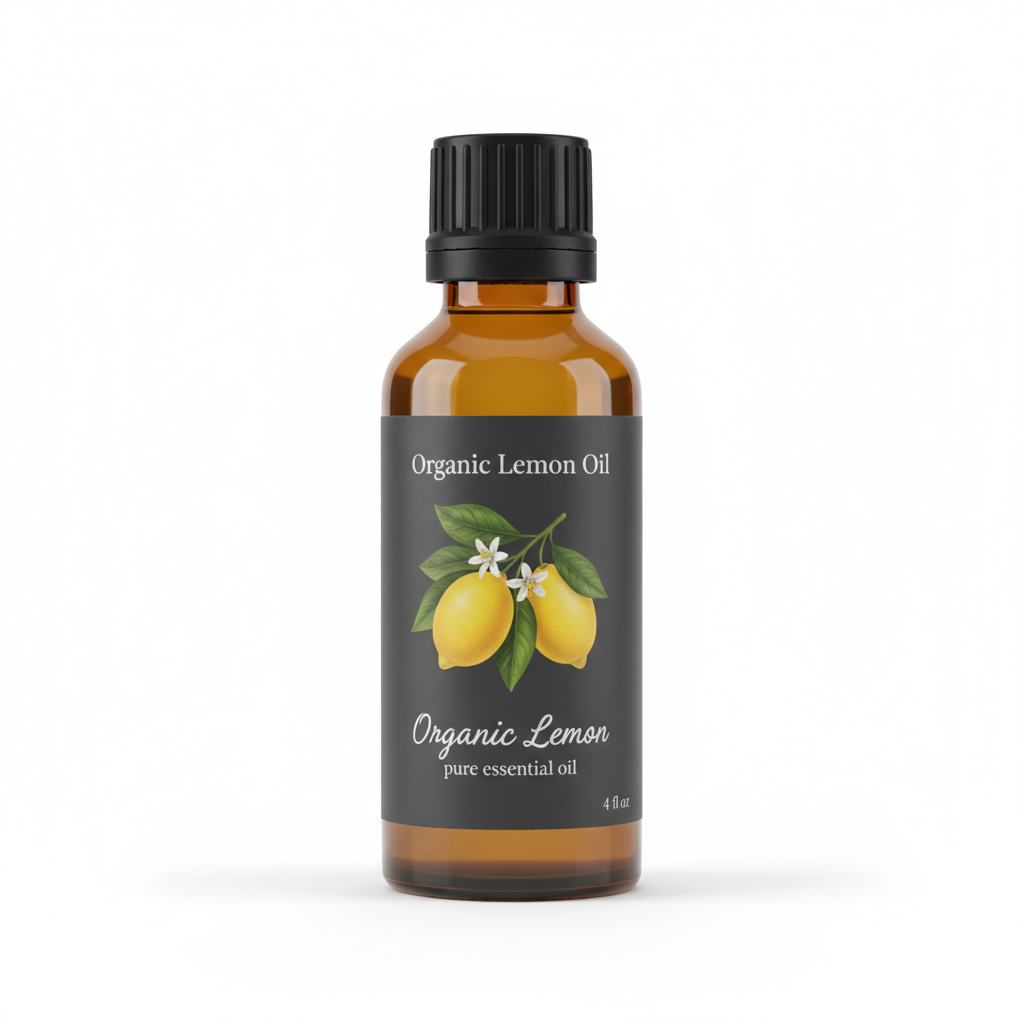
Organic Lemon Essential Oil
Our own Organic Lemon Essential Oil, in sizes from 0.5 oz to bulk.
From $15.99
Shop Now →Why people mix them up
Lemon essential oil mixes happily into olive oil, and the result smells of lemon, which is where the idea of a shortcut comes from. It is a tempting one: skip the zest, add a few drops. But a drop of essential oil is the concentrated peel oil itself, while a zest infusion is whatever the olive oil slowly draws out of the peel, in an amount nobody measures. They are different products with different rules.
The infused oil is a food-safety question
Homemade infused oils raise one serious concern, botulism. The University of Maine Cooperative Extension bulletin on safe homemade flavored and infused oils calls the organism behind it "extremely dangerous and sometimes deadly". It explains that fresh produce most likely carries the spores and holds a lot of moisture, which is why it points to dried herbs and garlic as the safer route, since they "lack moisture so that bacteria can't grow in the oil" (UMaine Extension). For oils made with commercially dried ingredients it advises keeping them in a cool, dark place for no more than three months. The CDC lists little or no oxygen, low acidity and moisture among the conditions that let botulism spores grow (CDC).
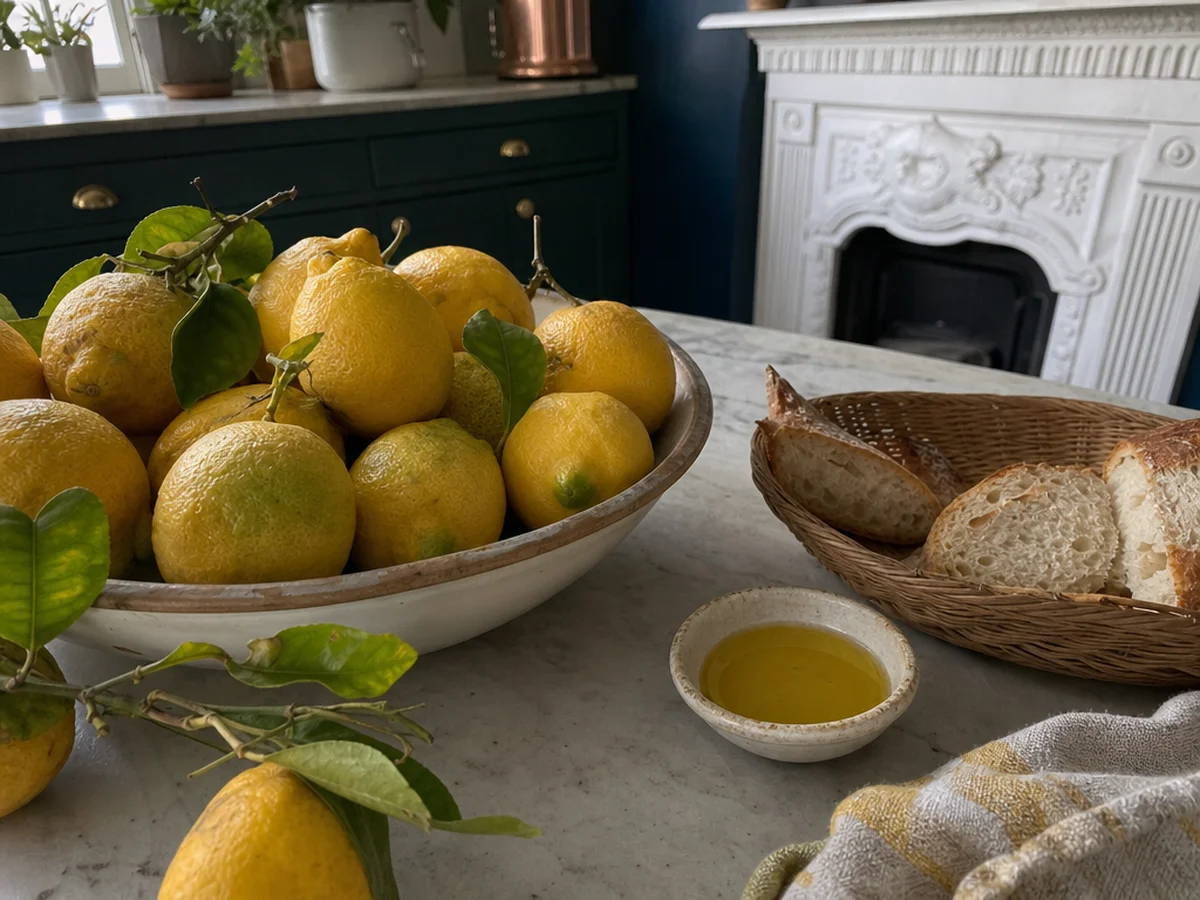
Neither page mentions lemon zest. Reasoning from the bulletin, fresh zest is fresh, damp plant material sitting under oil, so we would treat it as a case for a food-safety expert rather than for a kitchen shortcut. Your state cooperative extension office is the right place to ask. Meanwhile there are easy alternatives that avoid the question entirely: grate fresh zest over the dish just before serving, or buy a flavored olive oil from a food producer if you want a bottle on the shelf.
The essential oil is a concentration question
Our oil is a concentrated botanical material, cold-pressed from Citrus limon peel and sold neat. We recommend diluting it to 0.5% to 2% in a carrier oil for skin, patch testing first, keeping it away from eyes, children and pets, and not taking it internally. We do not sell a food-grade or flavor lemon oil, so it does not belong in a recipe for the table. If someone swallows it by accident, call Poison Control or a physician rather than waiting. Our ingestion post covers the labeling confusion behind this, and food grade versus other grade labels unpicks the label words.
A quick nose test
If you ever have both on the counter, the difference is easy to spot. Open the essential oil bottle slightly, and the scent leaps out at once, intense and bright like a peel scored with your thumbnail. A kitchen oil flavored with lemon smells mild and food-like by comparison. That strength is exactly why the essential oil is measured in drops and never poured like a salad dressing.
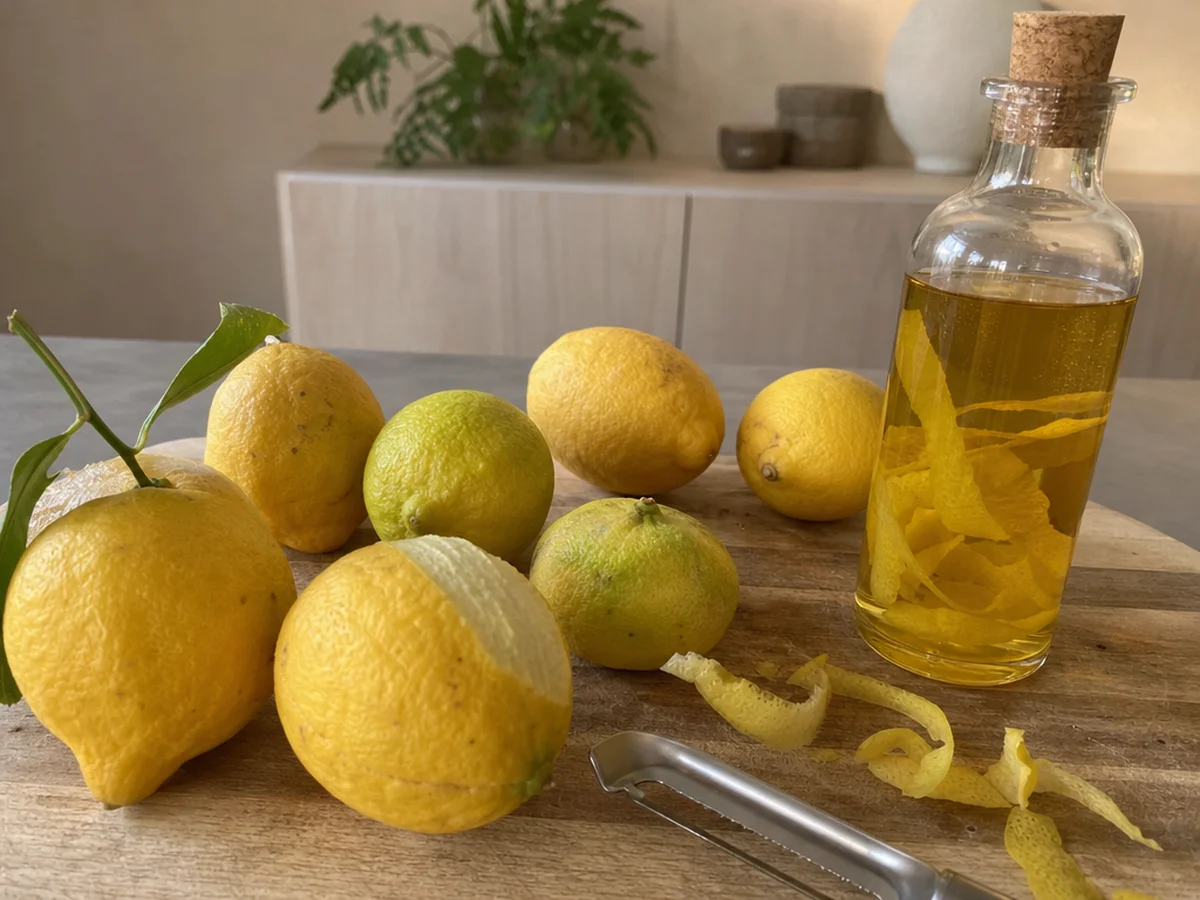
Side by side
| Lemon infused olive oil | Lemon essential oil | |
|---|---|---|
| What it is | Olive oil flavored by lemon peel or zest | Cold-pressed Citrus limon peel oil, sold neat |
| Main question | Botulism risk when damp plant material sits in oil | Concentration, sun sensitivity on skin, freshness |
| Where it goes | The kitchen | Scent work, soap and candles, diluted skin use |
| Storage | Per food-safety guidance for the method used | Capped, cool, away from light |
Tips for recipe hunters
- Look at the unit. Drops or milliliters point to essential oil. Spoons and cups point to the kitchen.
- Look at the shelf. If the other ingredients are lye, wax or butters, you are in the workshop. If they are flour and eggs, you are in the kitchen.
- Look at the author. A cook and a soap maker can both write "lemon oil" and mean different things, so check what else they write about.
- When in doubt, ask. A short note to the recipe author costs a minute and saves a lot of guesswork.
Why we love keeping them apart
Part of the joy of lemon is that it works in so many places, and the easiest way to enjoy all of them is to give each its own home. Keep the kitchen jar with the food, and keep the little bottle with your craft supplies, labeled in marker so nobody mistakes one for the other. A clear label and a separate shelf are the kind of tidy habit that keep a household tidy.
Which one does your recipe want?
The phrase "lemon oil" is the trap. In a cooking recipe it may mean an infused olive oil, and in a soap or aromatherapy recipe it means essential oil. Check the rest of the ingredient list: vinegar, salt and herbs point to the kitchen, while carriers, butters, lye and wax point to the workshop. If the quantity is in drops, the author almost certainly means the concentrated oil, and that is never for eating.
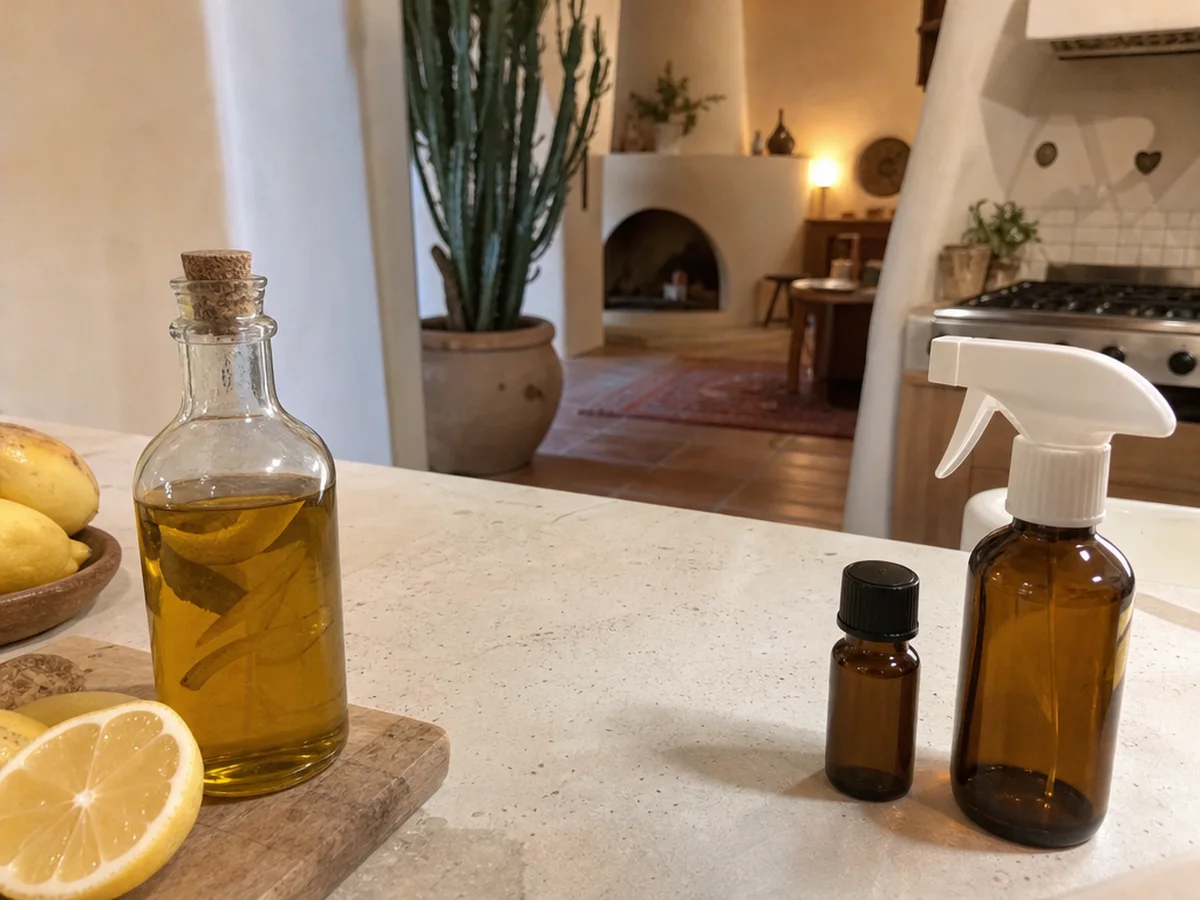
If you want a lemon-scented body oil, that is a dilution of essential oil in a carrier such as olive oil, with a patch test and some sun sense, because cold-pressed lemon is phototoxic. Our carrier oil guide and skin guide cover that. If you want a lemon-fresh room, the room spray is the scent route. Either way, let the kitchen jar and the essential oil bottle each do their own job, and keep them on different shelves.
Organic Lemon Essential Oil
Organic Lemon Essential Oil from our own shop, in sizes from 0.5 oz to bulk.
From $15.99
Shop Now →Sources & Further Reading
- University of Maine Cooperative Extension. Bulletin #4385, Safe Homemade Flavored and Infused Oils. extension.umaine.edu
- CDC. About Botulism. cdc.gov