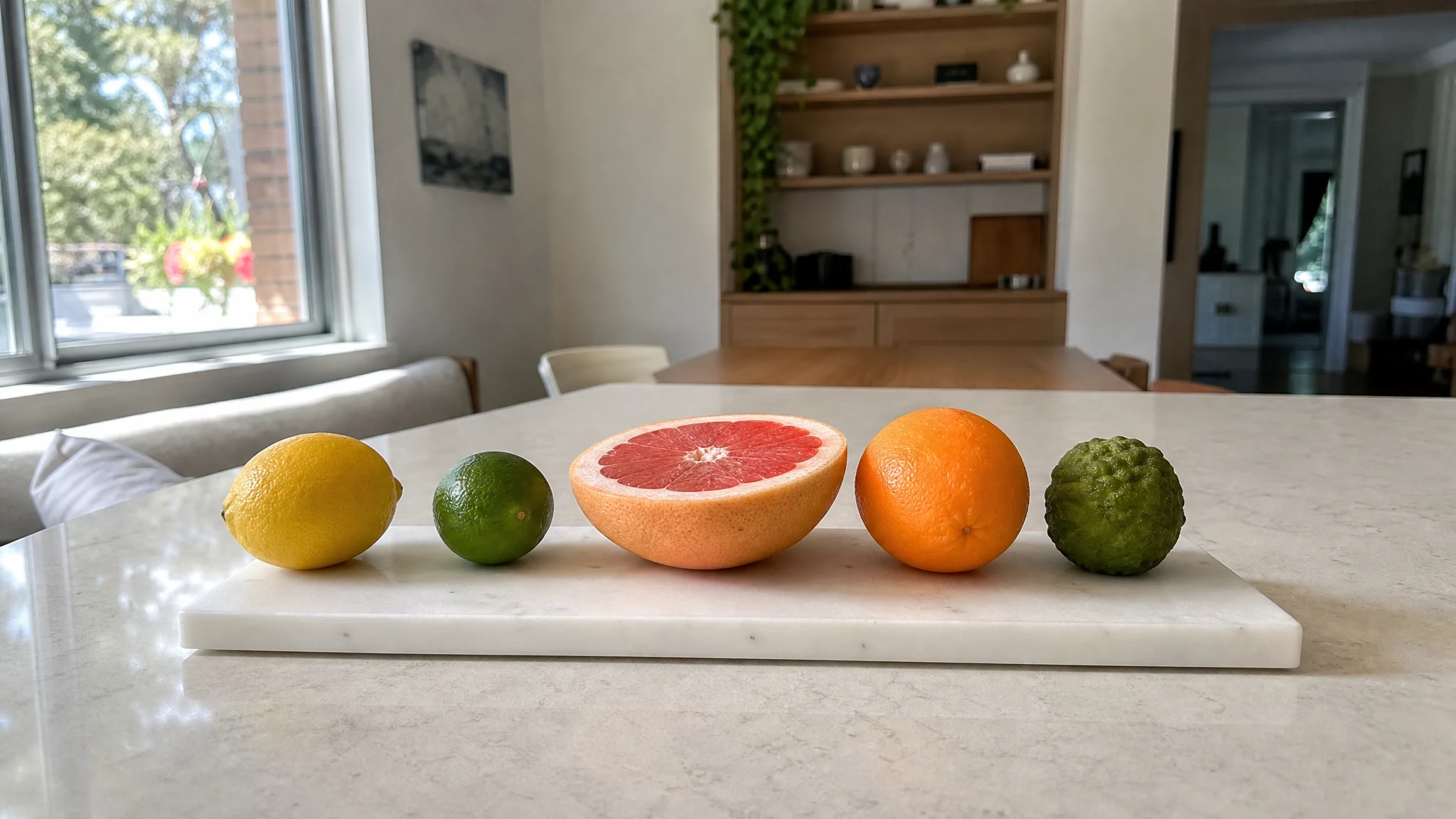
Lemon, Lime, Bergamot, Grapefruit: Citrus Oil Limits
Citrus oils feel like one big sunny family, and for scent that is fair. For leave-on skin products they behave quite differently. The International Fragrance Association (IFRA) sets a ceiling for each of four popular expressed citrus oils, and those ceilings run from 0.40% to 4.0%, a tenfold spread. We sell one of them, cold-pressed lemon, so this is a map made from published standards, not a ranking of scents.
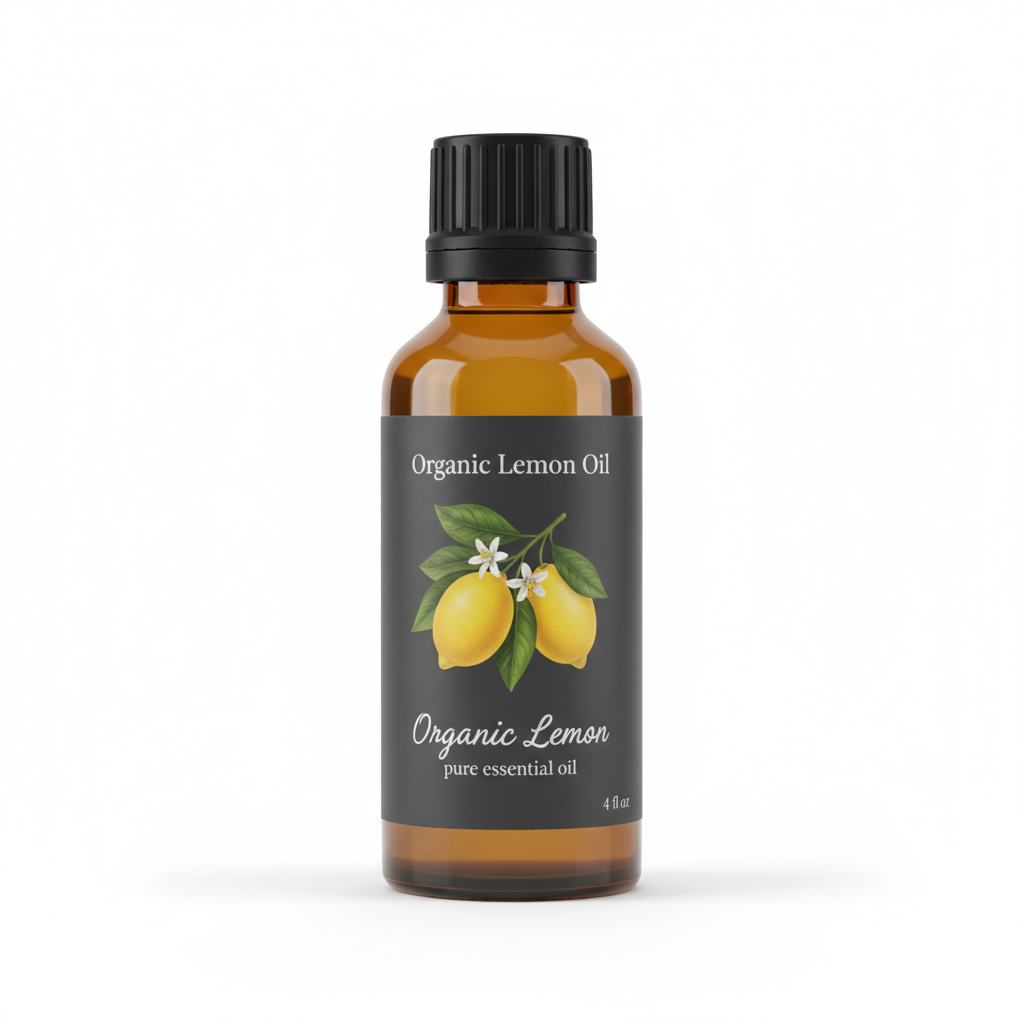
Organic Lemon Essential Oil
Our own Organic Lemon Essential Oil, in sizes from 0.5 oz to bulk.
From $15.99
Shop Now →The four ceilings
These are the IFRA limits for the finished product in leave-on categories such as lip, face, body lotion and hand products, from the 51st Amendment. Rinse-off and household categories such as hand-wash products, and candles and similar products, carry no restriction for these oils. The drops column is our arithmetic for 1 oz (29.57 ml) of carrier at about 20 drops per ml.
| Oil | IFRA leave-on ceiling | Drops per ounce of carrier at the ceiling |
|---|---|---|
| Bergamot, expressed | 0.40% | about 2.4 |
| Lime, expressed | 0.70% | about 4.1 |
| Lemon, cold pressed | 2.0% | about 11.8 |
| Grapefruit, expressed | 4.0% | about 23.6 |
Treat the right-hand column as a ceiling, not a target. The Tisserand Institute makes the same point about lemon: 2% is the safe maximum, not a recommended amount. For our own oil we suggest starting at 0.5% and not going beyond 2%.
A tour by nose
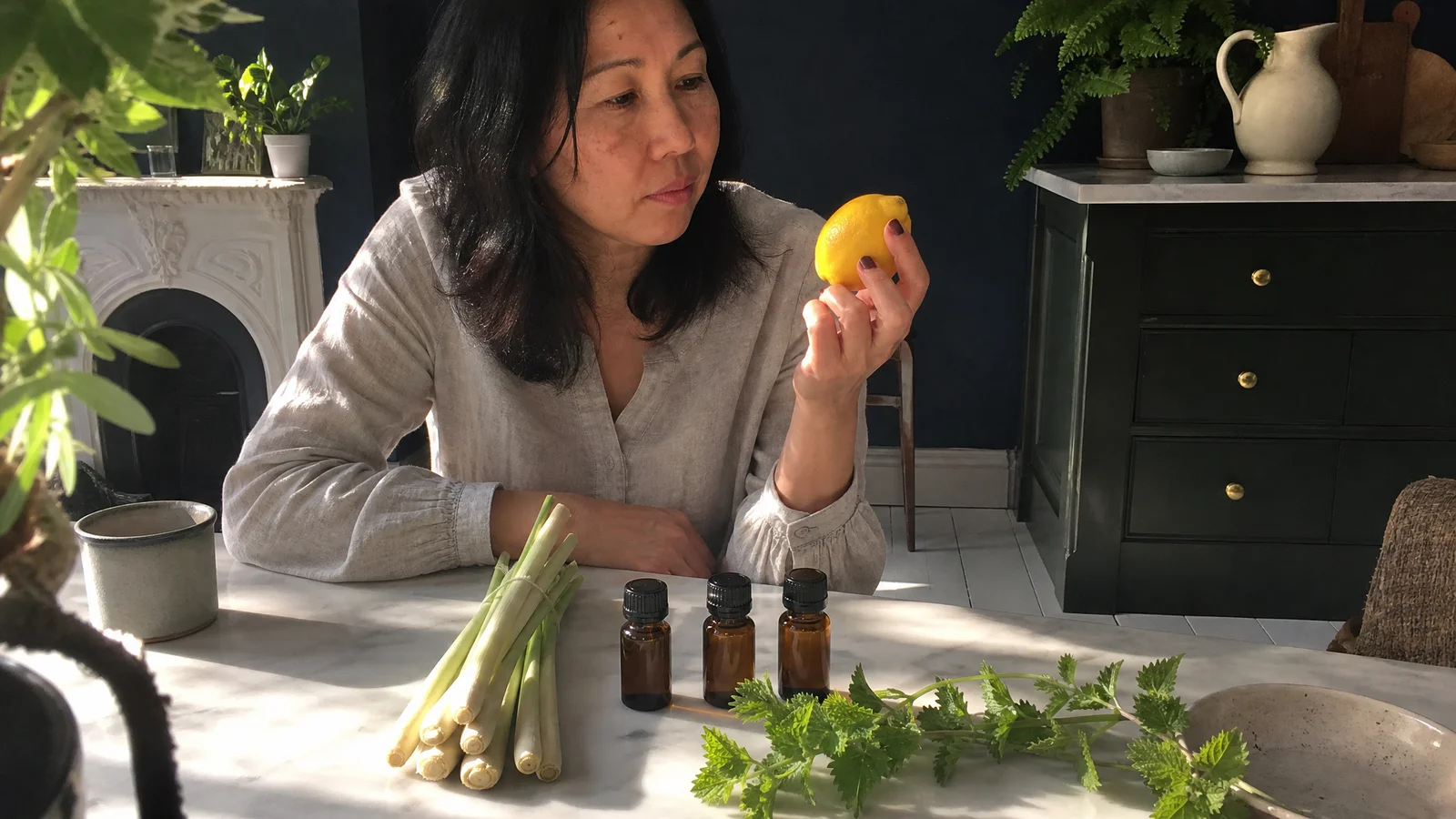
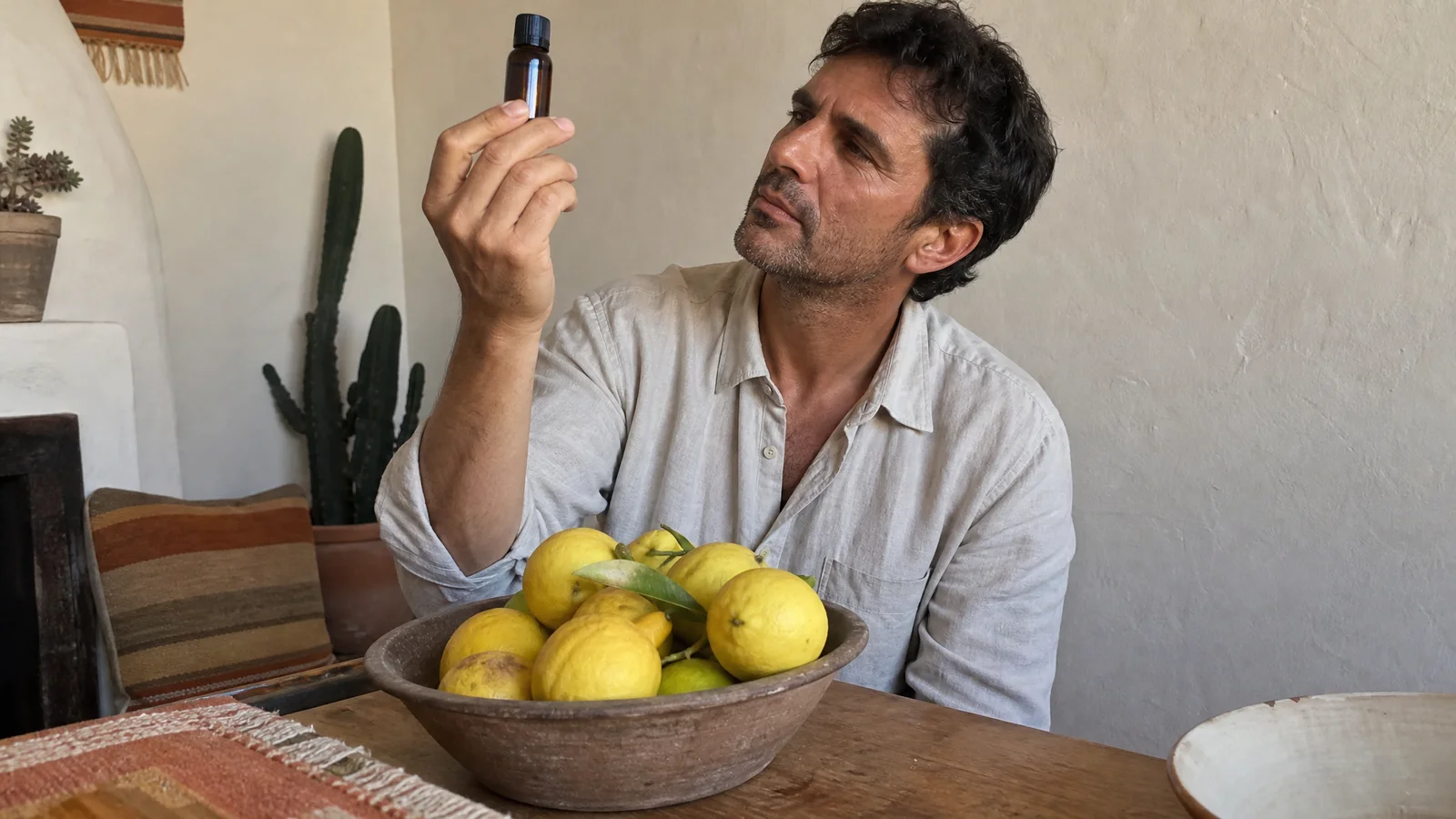
Numbers aside, these oils are fun to smell side by side, and it is worth doing if you can borrow bottles from a friend or a craft shop. Put a drop of each on its own paper strip, wave it gently under your nose, and give each one a few seconds before you move on. You will usually find lime sharper and greener, grapefruit juicier and a little bittersweet, and bergamot softer and more floral, with a rounded, almost perfumed edge. Lemon sits in the middle as the clear, zesty one, the scent we describe as scoring a ripe peel with your thumbnail.
Why they differ
The limits exist because of furocoumarins, natural compounds in citrus peel that react with UV light. IFRA’s furocoumarin standard says that where bergapten has been measured, the total in a leave-on product on skin exposed to UV should not exceed 0.0015%, which is 15 parts per million, and that where it has not been measured, the per-oil limits apply. Those per-oil figures work as defaults. Our reading, and it is reasoning rather than a quote, is that the spread between bergamot and grapefruit reflects how much of these compounds each oil typically carries. The Tisserand Institute adds a practical window: after a phototoxic amount, keep that skin out of UV for at least 12 hours.
Same name, different material
Expressed oils come from pressing the peel. Distilled citrus oils are a different material. Tisserand reports that a distilled lemon oil carried 22 times less bergapten than an expressed one and counts distilled citrus oils as not phototoxic. So a label that says only "lemon" or "bergamot" has left out half the story, and the limit that applies can change enormously depending on which one you hold. Our lemon is cold-pressed, and we do not sell a furocoumarin-free version. Furocoumarin-free lemon is a separate material with its own scent, not a safer version of ours.
Picking a citrus for the job
Start with the feeling you want, then check the limit. If you want a sparkling, clean-smelling room, lemon is a very easy place to begin. If you want something rounder and sweeter, sweet orange makes a friendly partner for it. Grapefruit and lime each have their fans, and bergamot is lovely but asks for the smallest pinch. Whichever you choose, write the percentage on the recipe card before you pour anything, so the number is in front of you at the moment you measure.
It also helps to remember that citrus oils are top notes, which means they greet you first and leave first. A citrus scent that has faded after an hour or two has not failed, it has simply behaved like a citrus. Pairing it with a slower oil, bought from a craft or supply shop, gives the blend something to hold on to.
Reading any recipe
Two facts pick the limit for you: the oil’s name with its method, expressed or distilled, and the kind of product you are making. Find those first, and the rest of a recipe becomes much easier to judge.
Blending more than one
If a recipe uses two of these oils, IFRA has a rule for that too: add up each oil’s concentration as a percentage of its own limit, and keep the total at or under 100. Here is one example of the arithmetic. Lemon at 1% is half its 2.0% limit, and bergamot at 0.2% is half of its 0.40% limit, so together they reach exactly 100. In other words, a small pinch of bergamot uses up a surprising amount of the room.
That is one good reason to lean on lemon when you want a bright, forgiving citrus blend, and why our post on blending with lemon oil walks through the sum rule with pairings. We list peppermint, basil, lavender, rosemary, bergamot and sweet orange as lemon’s friends in scent. Those other oils are sold at craft and supply shops, since we sell lemon only. Our lemon versus lime post and the skin guide pair well with this one.
One last habit we recommend: keep citrus bottles capped, cool and out of the light, and jot the date you opened each one on the label. Bright oils like to be used while they are bright.
Citrus oils are a joyful corner of the scent shelf, and a little arithmetic lets you enjoy them with confidence.
Organic Lemon Essential Oil
Organic Lemon Essential Oil from our own shop, in sizes from 0.5 oz to bulk.
From $15.99
Shop Now →Sources & Further Reading
- IFRA Standards, 51st Amendment, International Fragrance Association (standards for lemon oil cold pressed and for limonene)
- Phototoxicity: essential oils, sun and safety, Tisserand Institute
- Dilution for essential oils, Tisserand Institute