Lemon Oil and Pets: A Safety Guide for Cats and Dogs
Cats wash everything they walk through, and that one habit explains most of what we say about lemon oil and pets. A spill on the floor, a dab on a hand that then pets the cat, a diffuser in a closed room: each one ends up on fur or paws, and then in a mouth. Our approach is simple. We keep the oil off animals and out of their reach, and we plan the room so a pet can always walk away from the scent.
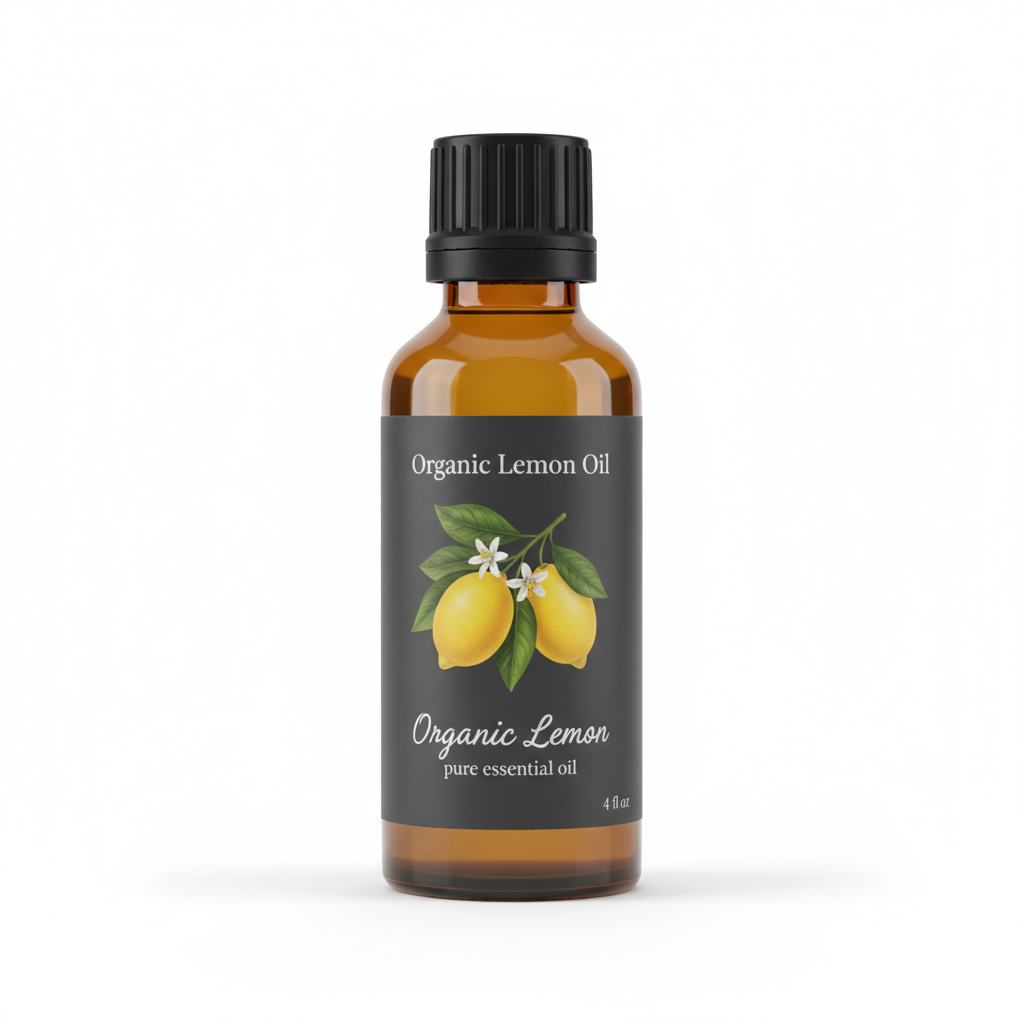
Organic Lemon Essential Oil
Our own Organic Lemon Essential Oil, in sizes from 0.5 oz to bulk.
From $15.99
Shop Now →What the animal-health sources say
No one has published a dose for lemon oil and pets, so the useful guidance is short and comes from official bodies. The ASPCA lists lemon as toxic to dogs, cats and horses. It names essential oils and psoralens as the toxic principles, lists vomiting, diarrhea, depression and possible dermatitis as signs, and notes that the fruit itself is edible while the skins and other plant material can cause problems (Toxic and Non-toxic Plants: Lemon | ASPCA).
The European Food Safety Authority looked at expressed lemon oil as a feed additive and described it as an irritant to skin, eyes and the respiratory tract that may cause phototoxicity because of its furocoumarins. It also points out that cats have an unusually low capacity for glucuronidation, which is one of the ways a body clears many compounds, and says no conclusion can be drawn for pets not normally exposed to citrus by-products (Safety and efficacy of feed additives consisting of expressed lemon oil and its fractions from Citrus limon (L.) Osbeck and of lime oil from Citrus aurantiifolia (Christm.) Swingle for use in all animal species (FEFANA asbl)). That opinion is about small amounts in feed, so it is a pointer, not a measurement of a diffuser or a spill.
A 2026 review of essential oils for flea and tick control lists citrus oils among those with documented toxicity in cats, and describes poisonings from concentrated preparations or accidental swallowing in both cats and dogs, with tea tree oil as the main example (Essential Oils for Flea and Tick Control in Companion Animals: A Critical Review of Efficacy, Safety, Resistance Mitigation and Integrated Pest Management). Taken together, the sources agree on a direction rather than a threshold. A small amount that is nothing to a person is a different matter for a cat, so we let the animal's size and habits set the rules.
Habits that make it easy
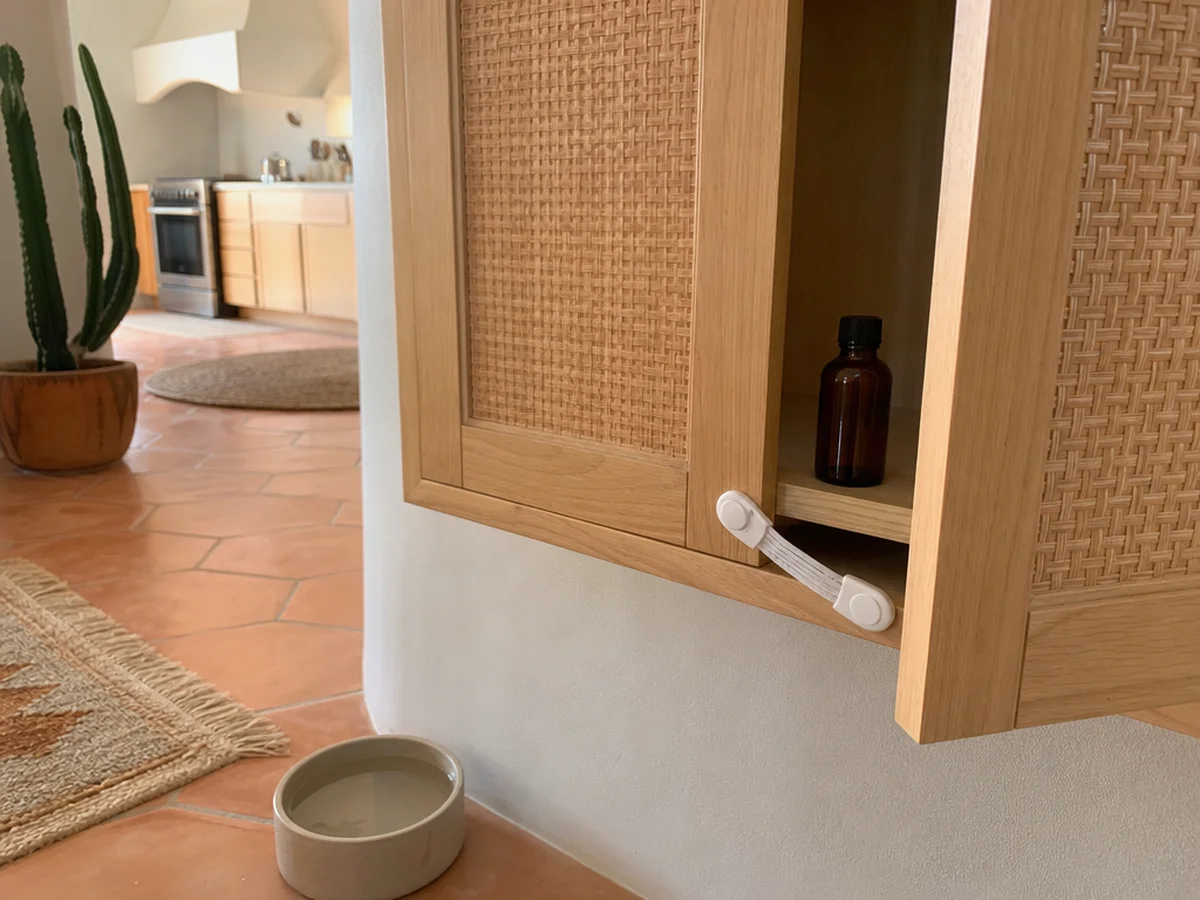
- Cap it and shelve it. Our guidance is to keep the oil away from eyes, children and pets. A capped bottle on a high shelf, cool and dark, is also the best way to keep the oil fresh. Air changes limonene, the main component, into compounds that are known to sensitize skin (Air oxidation of d-limonene (the citrus solvent) creates potent allergens.), and our storage post covers the rest.
- Wipe spills right away. Neat oil clings. Lift it with a paper towel, bin the towel, and open a window. Keep the animal out of the room until the floor is dry.
- Give pets an exit. If you scent a room, use one your cat or dog can leave, with the door open. Never scent a room where an animal is shut in.
- Wash up first. If you wear diluted lemon oil, wash that spot before cuddling a pet. Licking turns a skin exposure into a swallowed one, and that is simple reasoning rather than a measured result.
- Leave the oil off the animal. We do not suggest lemon oil on a pet's skin or coat for any purpose. Our 0.5% to 2% dilution guidance is written for human skin and does not carry over to a dog or cat.
The same thinking applies to the sprays and cleaners you mix yourself. Our room spray post goes into how oil behaves in a water-based bottle, which matters when a pet walks across a damp floor.

Planning a pet-friendly routine
Think of it as setting up your home so the pet always has a choice. Scent a room only when the animal can wander out, keep a door open, and let the air move. Store the bottle in a closed cabinet or a high shelf, not on a low table where a tail or a paw could knock it over. If a friend or sitter is looking after the animal, tell them where the bottle lives and ask them to leave it alone.

Pets also notice what we wear. After you handle the oil, wash your hands, and if you have been wearing a diluted blend, give that spot a rinse before you cuddle up on the sofa.
If an animal gets into it
If a pet has swallowed oil, has it on its coat, or is vomiting, drooling, trembling, very sleepy or breathing with effort, call your veterinarian or a poison control service right away. The ASPCA Animal Poison Control Center lists (888) 426-4435, says it is open every hour of every day, and notes that a consultation fee may apply (ASPCA Poison Control | (888) 426-4435 | ASPCA). Have the bottle in your hand when you call. Treatment decisions, including whether to induce vomiting, belong to the veterinarian, so please do not try a home remedy first.
We sell an external cosmetic oil and nothing made for animals. For a specific cat, a puppy, a bird or a small pet, your veterinarian knows the animal and can say what is right for your household. Keep the bottle capped and high, and lemon oil and pets can share a home very comfortably.
Organic Lemon Essential Oil
Organic Lemon Essential Oil from our own shop, in sizes from 0.5 oz to bulk.
From $15.99
Shop Now →Sources & Further Reading
- Toxic and Non-toxic Plants: Lemon | ASPCA
- ASPCA Poison Control | (888) 426-4435 | ASPCA
- Safety and efficacy of feed additives consisting of expressed lemon oil and its fractions from Citrus limon (L.) Osbeck and of lime oil from Citrus aurantiifolia (Christm.) Swingle for use in all animal species (FEFANA asbl)
- Essential Oils for Flea and Tick Control in Companion Animals: A Critical Review of Efficacy, Safety, Resistance Mitigation and Integrated Pest Management
- Air oxidation of d-limonene (the citrus solvent) creates potent allergens.