Lemon Scent and Focus: What Three Small Studies Found
A lemon-scented desk has an obvious appeal: the smell is crisp, clean and a little bit like a fresh start. So it is fair to ask whether it actually helps a person concentrate. The research is small and mixed, and we think the most honest answer is also the most enjoyable one: use lemon because you like it, and treat any sharpening of the mind as a bonus nobody has proven.
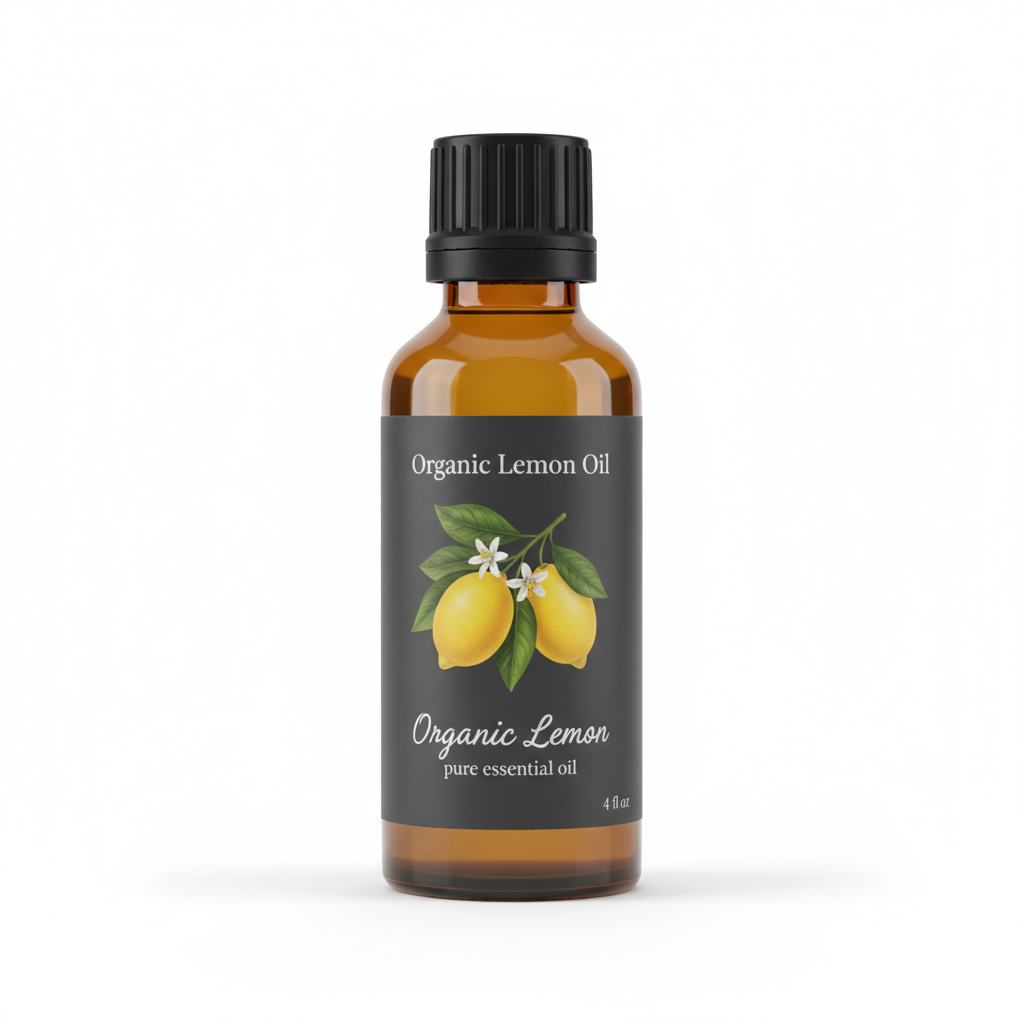
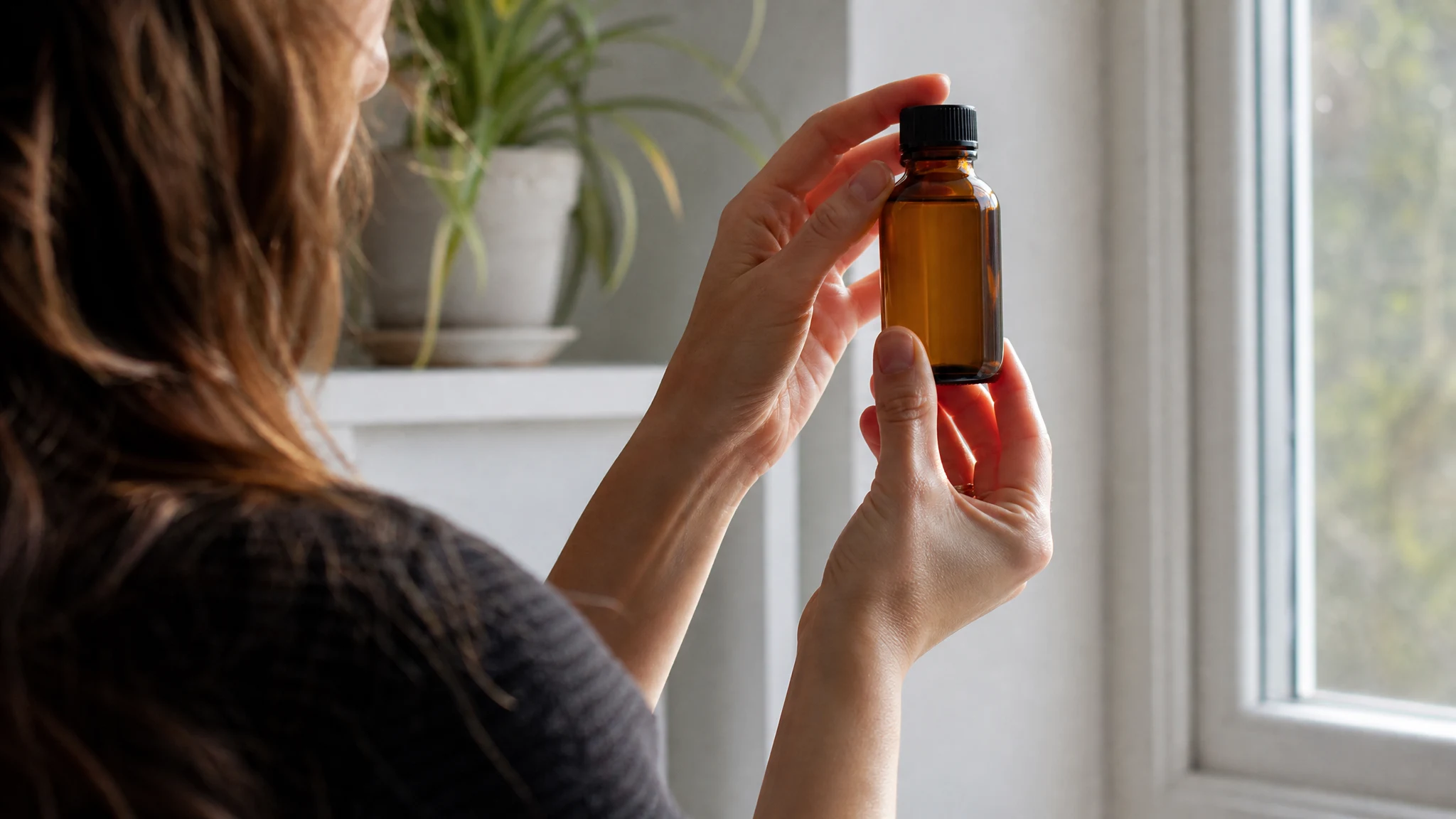
Organic Lemon Essential Oil
Our own Organic Lemon Essential Oil, in sizes from 0.5 oz to bulk.
From $15.99
Shop Now →Three studies, three different questions
The studies that touch lemon and attention were each asking something slightly different, which is why they do not line up neatly.
In a Japanese study, 14 female students did addition work in rooms with and without lemon fragrance. The scent did not change how efficiently they worked, but it did seem to ease feelings of exhaustion and keep vigor up. That is a pleasant finding about how the room felt, not a finding about better sums.
A more recent study asked 30 men to do a demanding working-memory task called the 2-back test while a diffuser released a citrus odour, and compared that with a session without it. They got more of the target answers right with the citrus smell. The paper does not say which citrus oil was used, and because everyone could tell which session had a scent, expectation could be part of the story. Still, it is the most encouraging result in the group.
The third study is the most interesting to us. Researchers recorded brain activity during a visual attention task under three conditions: no odor, isolated limonene, and lemon essential oil. Limonene changed one electrical attention signal (the P300 response). Lemon essential oil, which is mostly limonene, did not change it significantly. The authors suggest limonene may act through its chemistry while the whole oil's pleasant, familiar smell may work through other routes. For us the lesson is that one molecule is not the same as a whole oil, so a limonene headline should never be quietly applied to a bottle of lemon oil.
What we make of it
Put side by side, these studies say that lemon scent can make a working space feel fresher, and that scientists are still working out whether it changes attention itself. Our view is practical. If a bright citrus note makes your desk, study corner or craft table more inviting, that is reason enough to diffuse it. Expecting it to raise a test score is asking more than the evidence offers.
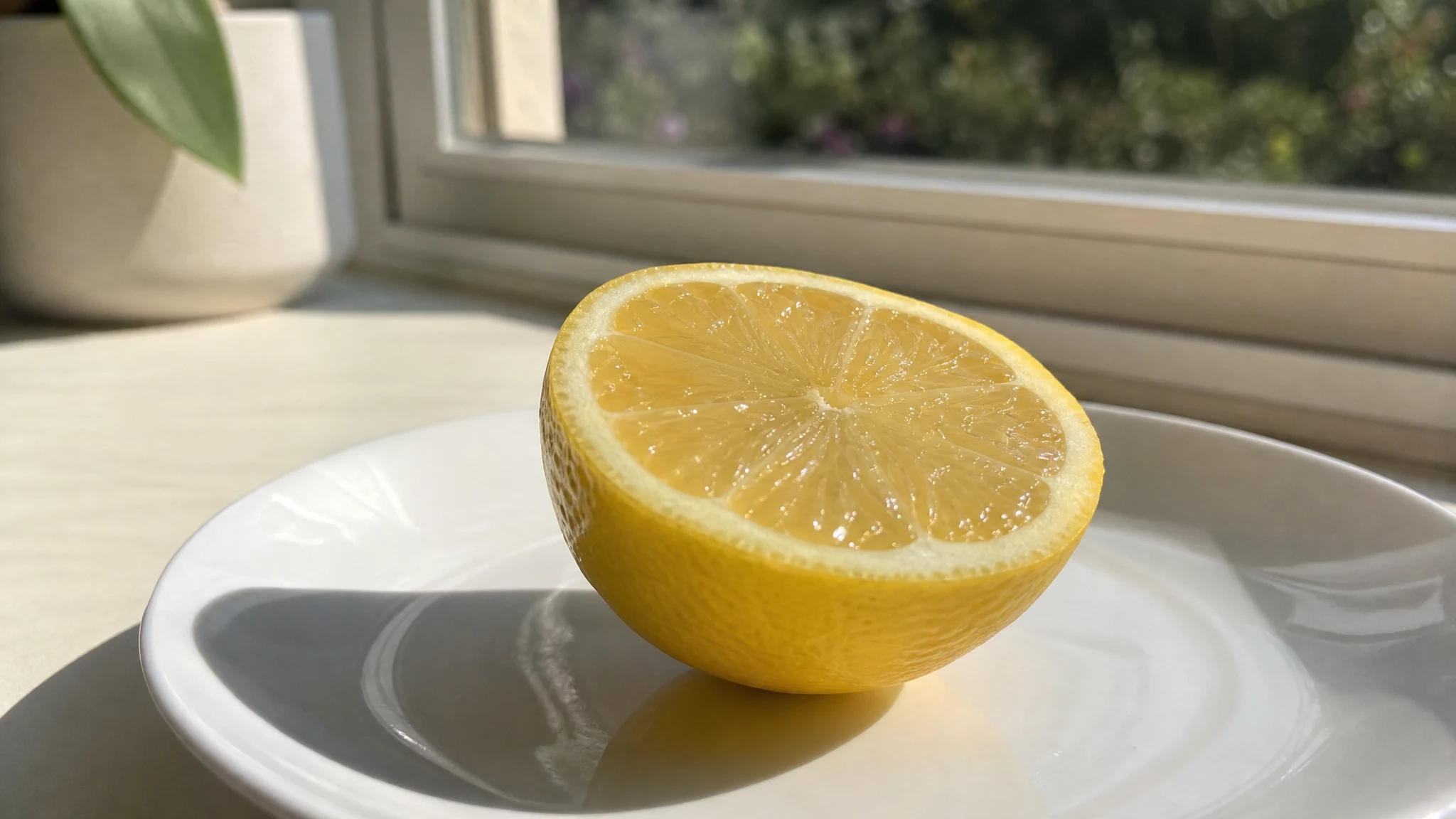
It also helps to know what lemon does well. We list lemon oil as a top note with a zesty, sparkling aroma, like scoring a ripe peel with your thumbnail, and it blends happily with peppermint, basil, lavender, rosemary, bergamot and sweet orange. A short session with a diffuser in a ventilated room is plenty. We sell our oil as a scent material and make no claims about focus, mood or any other effect on the body. If you have trouble concentrating for weeks, along with worry, low mood or poor sleep, that is a conversation for a doctor.
Setting up a lemon corner you will enjoy
If you decide to scent your workspace anyway, a little care makes it nicer. Start by smelling the oil from a tissue, away from your desk, so you know what you are inviting into the room. Lemon is a top note, which means it greets you brightly and then fades, so a short session usually feels fresher than a long one. Many people like to switch the diffuser on when they sit down and off after a while, rather than letting it run all afternoon until the scent is simply background.
Place it across the room rather than right beside your keyboard, and open a window or door so the air keeps moving. If you like a little company for the lemon, peppermint, basil and rosemary are the partners from our blending list that suit a work table, and you will find them at a craft or supply shop. Start with one drop of lemon and add another only if the room asks for it.
Why a small study is only a start
With 14 people, one participant is about 7% of the whole group, and with 30 it is about 3%, so a single unusual person can tip a result. Both studies were short sessions in controlled rooms. That does not make them wrong, but it does mean they are best read as promising hints that deserve larger follow-ups, not as a promise you can take to your next exam.
A small ritual that costs nothing
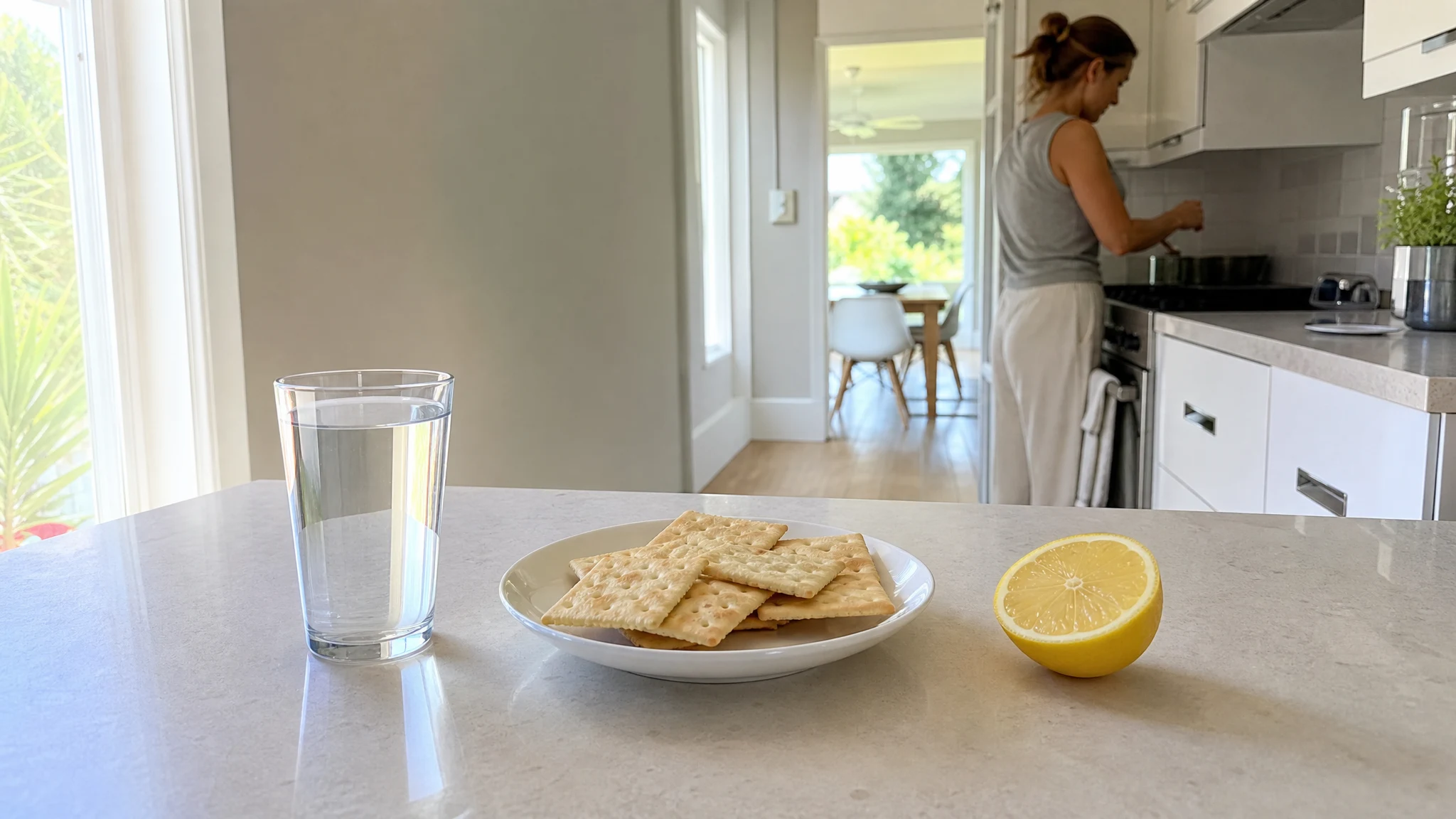
Some of the nicest uses of lemon at a desk have little to do with a diffuser. Put a drop on a tissue, tuck it in a saucer at the edge of your workspace and take a deep breath when you start a new task. The sparkle is gone in a little while, which is part of the charm: it marks the beginning of something, and then it steps aside. Pair it with a tidy desk, an open window and a glass of water, and you have a pleasant routine that asks nothing of the science.
Share the air kindly
One habit makes any fragrance nicer: ask the people around you. A scent that feels like sunshine to you can be a headache to a colleague, a classmate or someone with asthma, so a quiet check before diffusing in a shared room is good manners. Keep the oil, and the room it is diffusing in, away from pets as well. Our guides to lemon oil and pets and storing lemon oil cover those practicalities.
If you like the research side, we have written up what the best-known trial found on lemon scent and mood, a plain-language look at lemon oil benefits, and what is actually in the bottle in Inside Lemon Oil. Our pairing guide is the place to start for blends.
Organic Lemon Essential Oil
Organic Lemon Essential Oil from our own shop, in sizes from 0.5 oz to bulk.
From $15.99
Shop Now →Sources & Further Reading
- Kawamoto et al., 2005. The effect of lemon fragrance on simple mental performance and psychophysiological parameters during task performance. J UOEH
- Shikha et al., 2025. Citrus Odour Produces Resilient Response to Cognitive Load and Enhances Performance in the N-Back Task. Ann Neurosci
- Tamura et al., 2025. Limonene Selectively Modulates Visual Attention Through P300 Suppression: A Comparative Event-Related Potential Study With Lemon Essential Oil. Brain Behav
- FDA, Aromatherapy