Lemon Scent and Anxiety Studies: Four Trials Compared
Exam week, a hospital waiting room, a delivery suite: lemon has turned up in all of these in published trials, usually as a sniff from a cotton ball or a small inhaler. The reason is simple. Lemon is a familiar, well-liked smell, and researchers have wondered whether it can take the edge off nerves. The results are mixed, which makes them a good example of how much the setting matters.
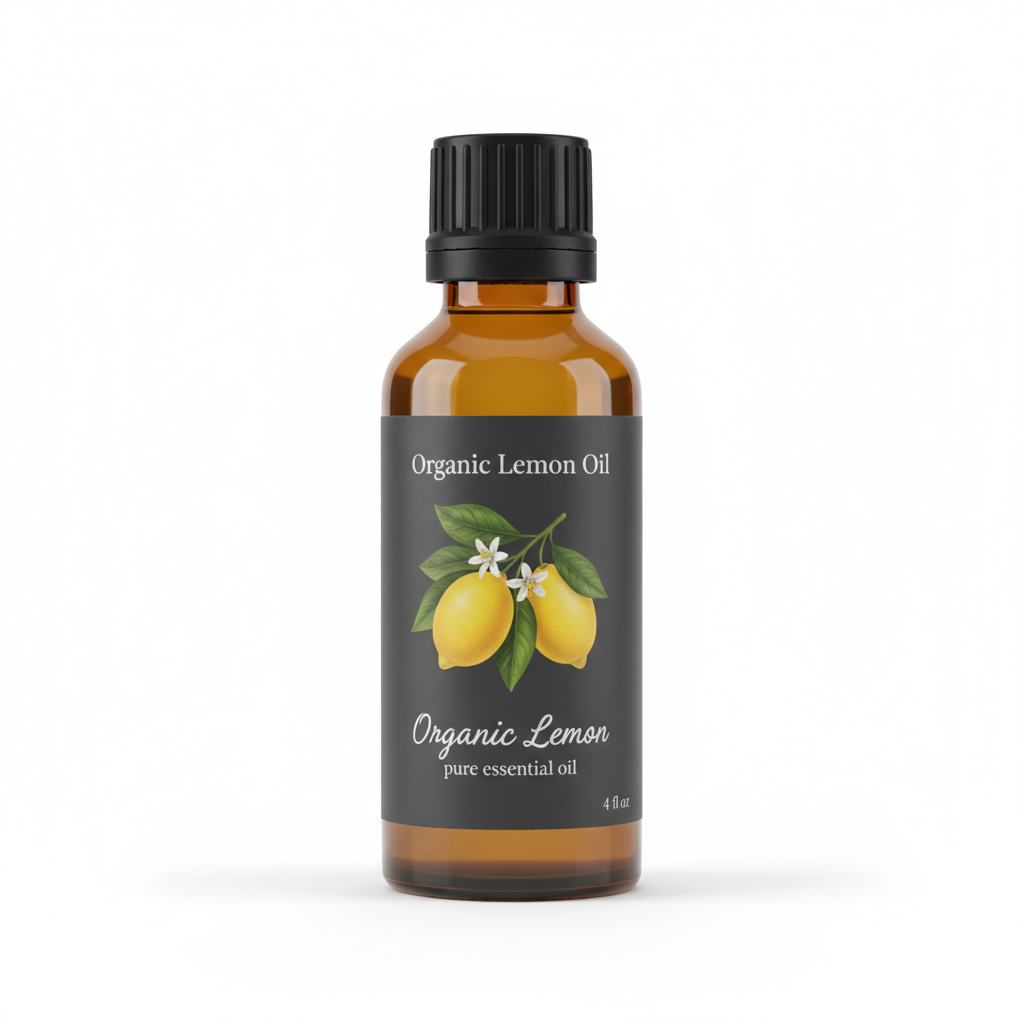
Organic Lemon Essential Oil
Our own Organic Lemon Essential Oil, in sizes from 0.5 oz to bulk.
From $15.99
Shop Now →Lemon in the exam room and the labor ward
It helps to picture who was in each room. Students waiting for an exam and mothers in labor have almost nothing in common except a bottle or a cotton ball nearby, and that is the first thing to keep in mind when you read a headline about a lemon scent study.
Take the studies one at a time. In a small US trial, 31 nursing students used lemon oil through a personal nasal inhaler around a high-stakes exam, and their test-anxiety scores did not change significantly from before to after, in either the lemon or the comparison group. A Turkish study of 46 first-year nursing students asked half of them to smell lemon essential oil for 15 minutes and compared them with a control group; the lemon group showed a significant difference between before and after scores on two test-anxiety scales, and the authors concluded that it was effective.
The delivery room gave a third answer. In a randomized trial of 45 first-time mothers, groups received lemon oil, ylang-ylang oil or nothing by inhalation during active labor. Pain scores were lower in both oil groups, but anxiety scores did not differ between the groups, and the authors concluded the inhalation reduced the perception of pain but had no effect on anxiety.
Add a fourth trial, in 100 heart attack patients, and the score is two for and two against. That is a fair snapshot of the field: the studies are friendly toward aromatherapy in general and uncertain about lemon in particular.
Why the setting changes the answer
An exam, a heart attack ward and a labor room are very different places to breathe in a scent. Expectations, pain, noise and the passage of time all compete with the smell, and a small group can miss a modest effect or find one that is not really there. The heart attack trial, for example, compared lemon inhalation with a paraffin control for three days and reported a difference in anxiety between groups on day four. The lesson is not that lemon is useless, but that four trials cannot be stacked into a single verdict.
How to read a small study like a friend would
When we come across a study like these, we ask a few plain questions. How many people were in it? Who were they, and where were they? What exactly did they smell, and for how long? What were they compared against? A study with forty people and a clear answer to those questions is interesting. It is a starting point for curiosity, not a final word.
It also helps to remember that a smell is personal. A scent can remind one person of a summer kitchen and another of a cleaning aisle, and those memories color how the smell feels. That is one reason studies of scent can point in different directions without anyone doing anything wrong.
A common mix-up with orange
You may see a dental-office study quoted as proof that "citrus calms anxiety." That study, by Lehrner and colleagues, put 200 patients into four groups while they waited for dental treatment, and found that ambient orange and ambient lavender both lowered anxiety and improved mood compared with no odor. Lemon was not in the study. Orange and lemon are close relatives in the kitchen but different oils, and one oil's result does not transfer to another.
What we make of the pattern
Reasoning from all this, together with the broader review of olfactory research that found psychological explanations fit the data better than drug-like ones, we think the best-supported reading is modest. A scent you like, in a setting where you can relax, can feel good. It will not be the same for everyone, and it is not a treatment for anxiety. The 2008 trial that gave lemon its reputation for lifting mood, covered in our lemon and mood article, found better self-rated mood but no reliable change in the stress hormones measured, and we think that sums the situation up well.
We sell lemon oil for its aroma, cold-pressed from the peel, as a bright, sunny scent for diffusers and home fragrance. We do not claim it reduces stress or anxiety, and we sell no remedy. If you enjoy the smell, keep sessions short in a ventilated room, and keep the oil away from children and pets.
Enjoying the scent for what it is
If you simply like the smell of lemon, there is nothing to prove. A bright citrus note in a room is a pleasant thing to have, much like fresh bread or cut grass. Open the bottle, take a short sniff, and notice whether you like it. If you do, a little goes a long way, and a short session in a well-aired room is plenty.
When worry is more than a mood
The NHS lists trouble concentrating, restlessness and trouble sleeping among the symptoms of generalised anxiety disorder, and advises seeing a GP if you think you might have it. Worry that is persistent, spreads into daily life or keeps you from sleeping is a reason to talk to a doctor or a licensed therapist; no scent, however pleasant, stands in for that.
For a plain-language run through the claims you will see online, see lemon oil benefits, honestly. For the scent itself, what lemon oil smells like is a good companion, and lemon scent and focus looks at the attention studies.
Organic Lemon Essential Oil
Organic Lemon Essential Oil from our own shop, in sizes from 0.5 oz to bulk.
From $15.99
Shop Now →Sources & Further Reading
- Johnson, 2019. Effect of Inhaled Lemon Essential Oil on Cognitive Test Anxiety Among Nursing Students. Holist Nurs Pract
- Özer et al., 2022. Effectiveness of lemon essential oil in reducing test anxiety in nursing students. Explore (NY)
- Sirkeci et al., 2023. The effect of ylang oil and lemon oil inhalation on labor pain and anxiety pregnant women: A randomized controlled trial. Complement Ther Clin Pract
- Rambod et al., 2020. The effect of lemon inhalation aromatherapy on blood pressure, electrocardiogram changes, and anxiety in acute myocardial infarction patients: A clinical, multi-centered, assessor-blinded trial design. Complement Ther Clin Pract
- Lehrner et al., 2005. Ambient odors of orange and lavender reduce anxiety and improve mood in a dental office. Physiol Behav
- Herz, 2009. Aromatherapy facts and fictions: a scientific analysis of olfactory effects on mood, physiology and behavior. Int J Neurosci
- NHS, Generalised anxiety disorder (GAD)