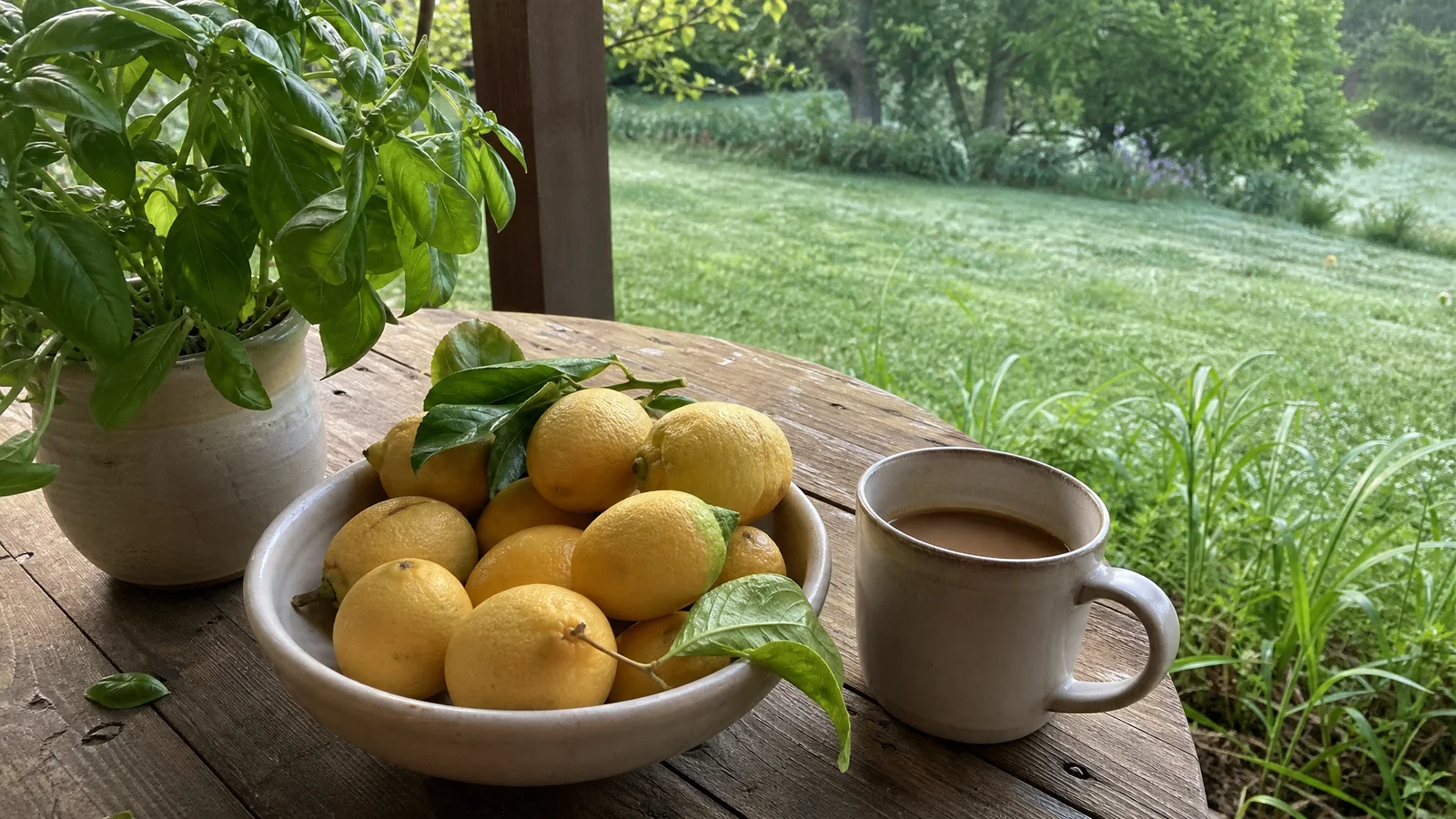
What Is Organic Lemon Oil? A Plain Explanation
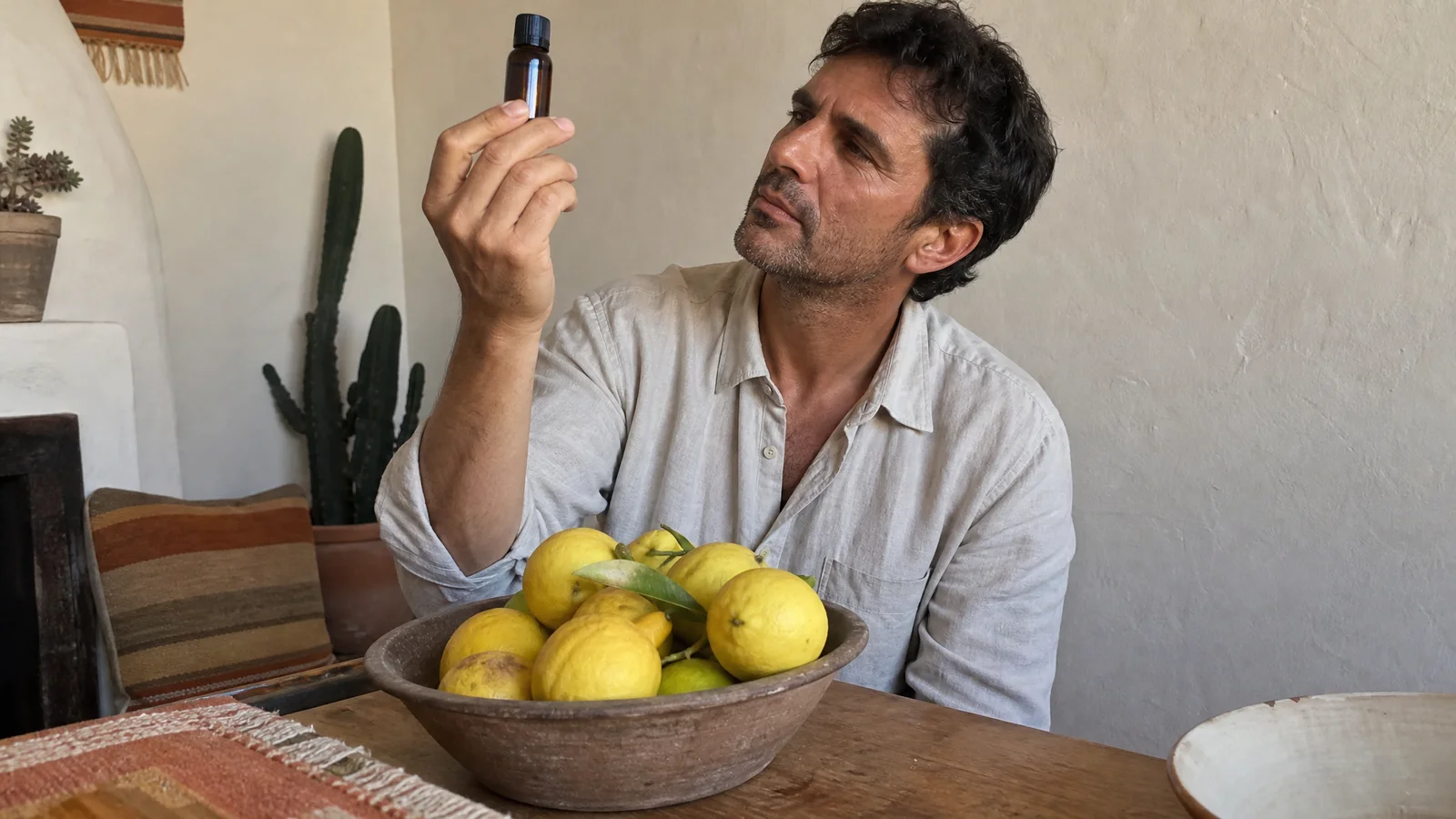
Score a ripe lemon with your thumbnail and the bright burst you smell comes from the peel, not the juice. That burst is what we bottle as lemon essential oil, and it is the best place to start if you want to understand what you are buying.
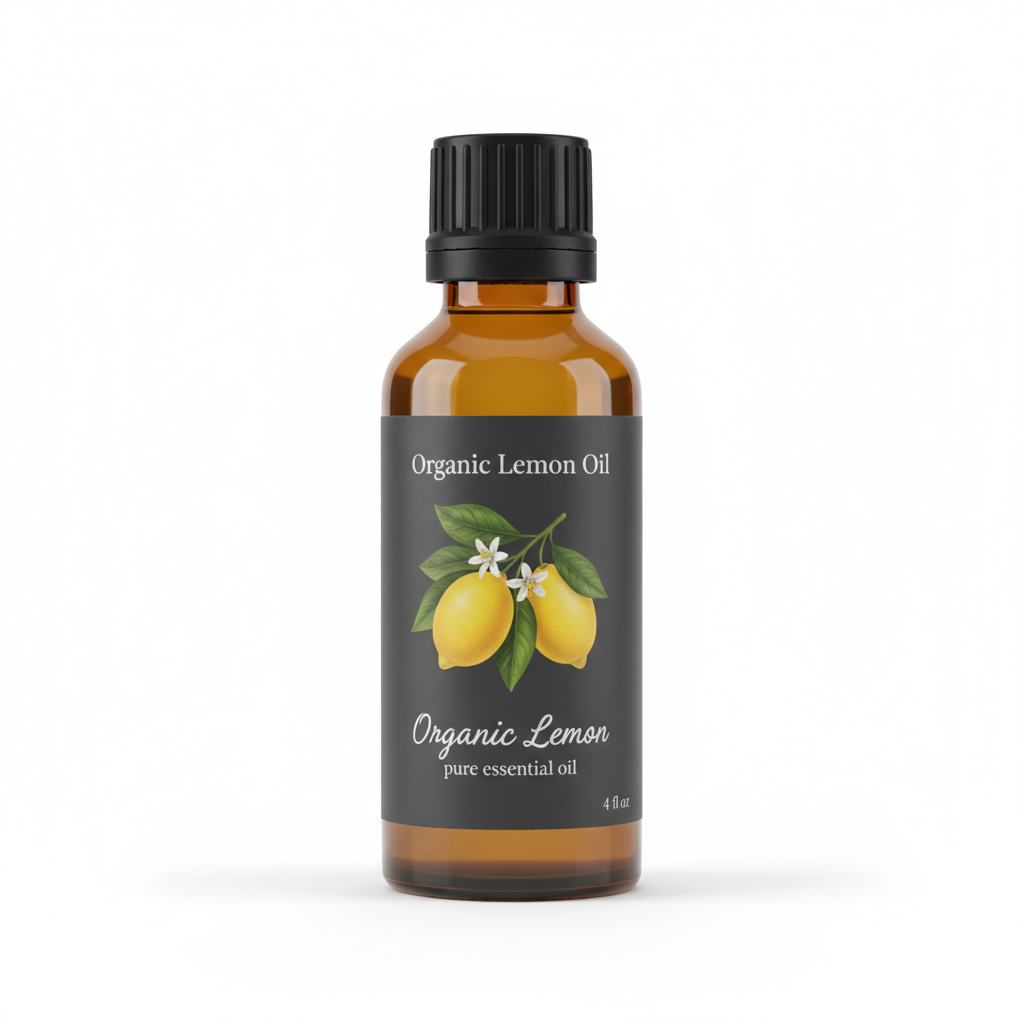
Organic Lemon Essential Oil
Our own Organic Lemon Essential Oil, in sizes from 0.5 oz to bulk.
From $15.99
Shop Now →It is the peel that makes the oil
The next time you cut a lemon, pay attention to the spray that bursts from the peel. If you hold the rind up to a light, you can sometimes see a fine mist of tiny droplets in the air. That mist is the oil, and it is the very thing we are talking about here.
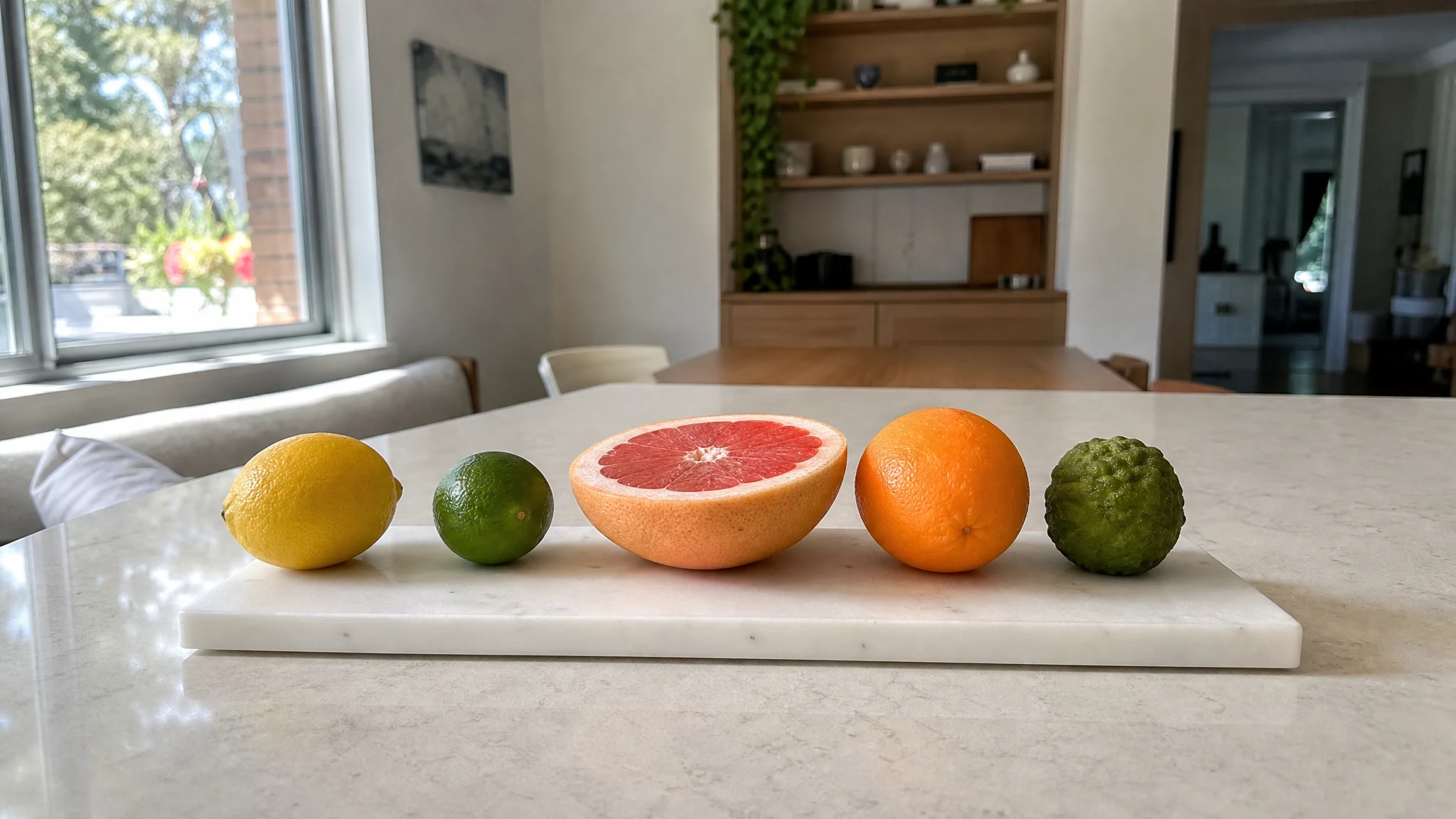
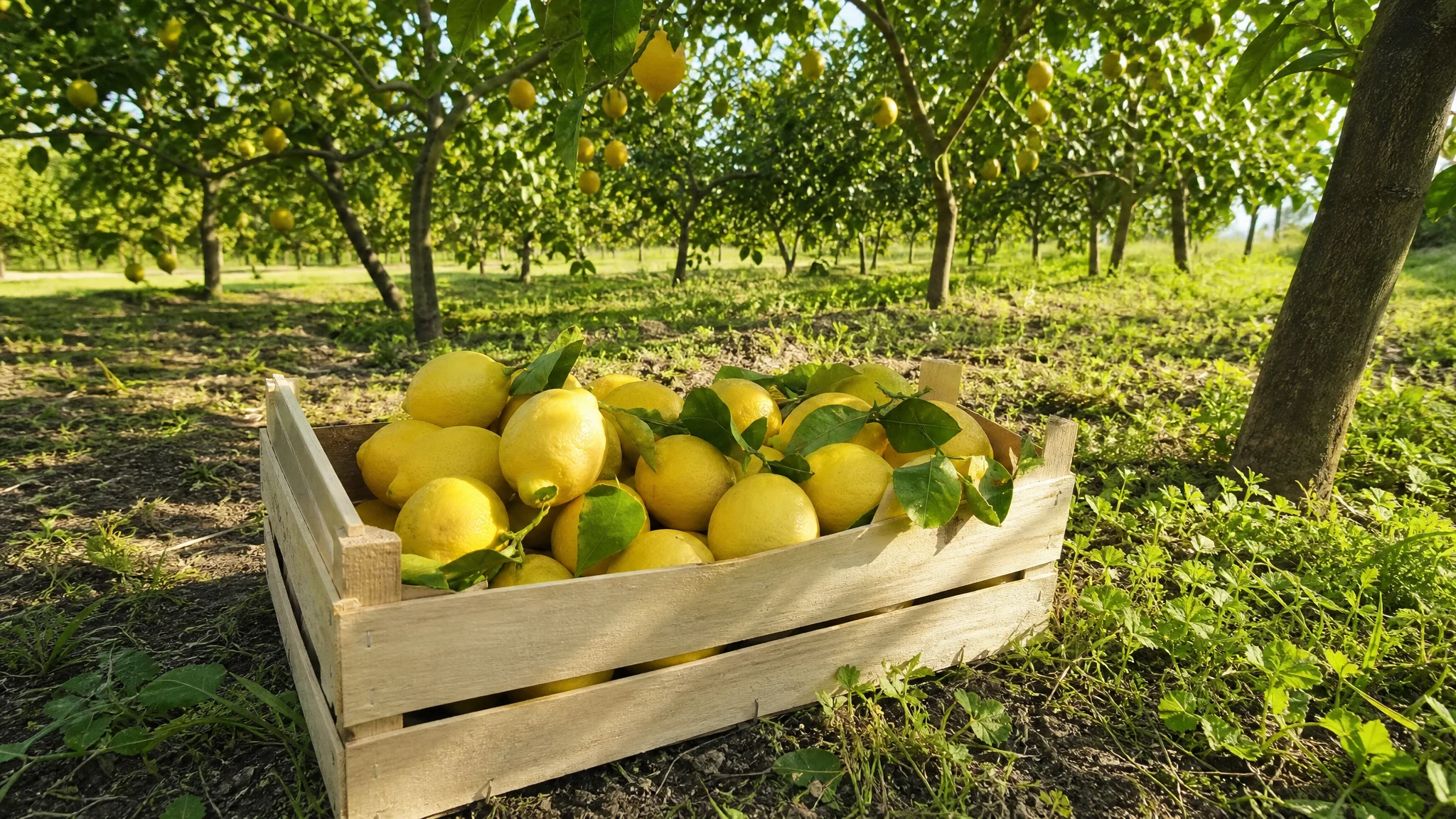
Our oil is Citrus limon, from the peel. The trade even has a standard that says so: ISO 855:2003 is titled "Oil of lemon [Citrus limon (L.) Burm. f.], obtained by expression", which tells you in one line the species, the part of the fruit and the method. So when a label says lemon oil, it should mean peel oil taken from the fruit by pressing, not juice, not leaf and not a lemon-scented relative. If you have ever wondered how it differs from the lemony oils of other plants, our post on lemon oil versus lemongrass and lemon balm sorts them out.
What cold-pressed means
Cold-pressed, or expressed, means the oil is released from the peel mechanically instead of being carried off by steam. EFSA, the European food safety authority, describes one producer of expressed lemon oil this way: the peel surface is scarified, water is sprayed over the fruit to wash off the released oil, and the oil is separated from the water by filtering and spinning. The oil itself is described in the pharmacopoeia as obtained by a mechanical procedure without heating. That is the family our oil belongs to, and it explains the aroma we love: we describe it as zesty, sparkling and sunny, like a ripe peel scored with a thumbnail.
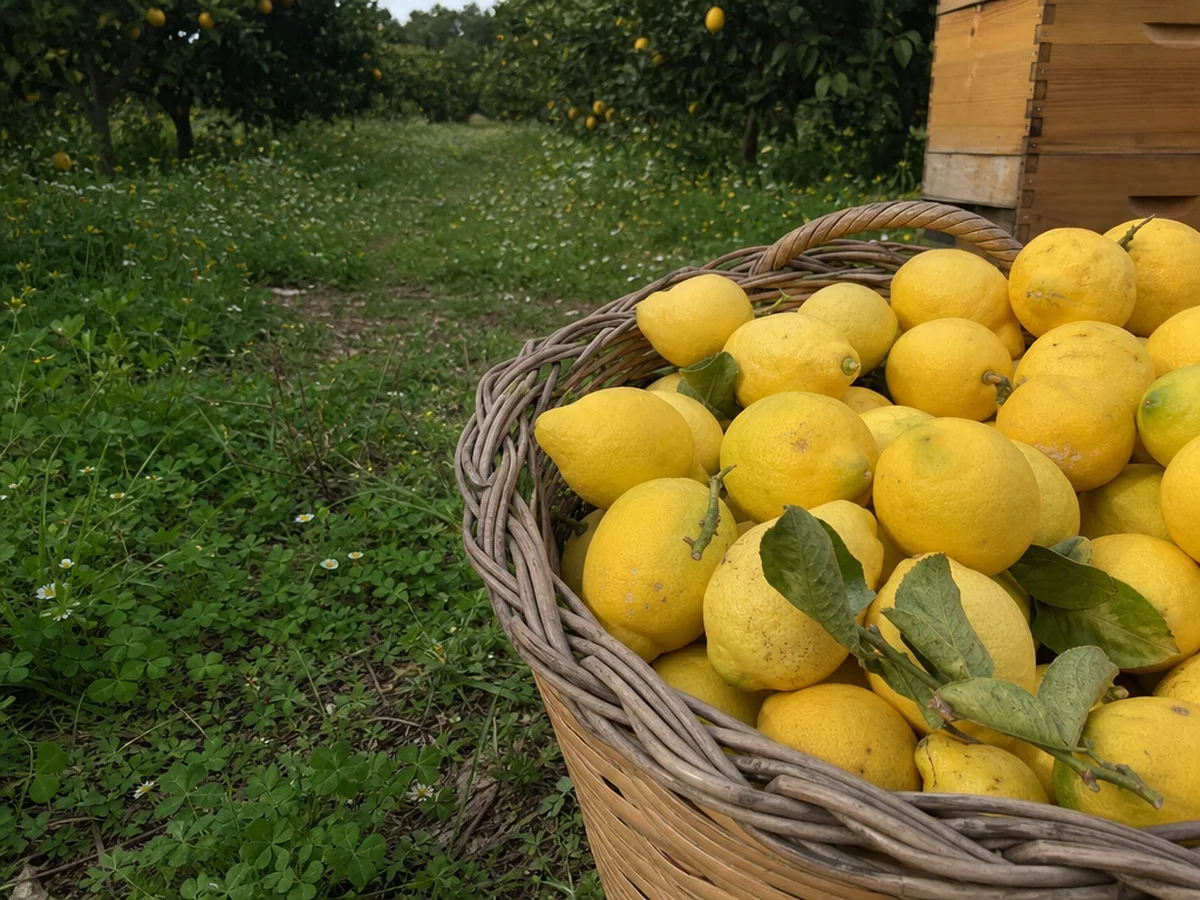
Because nothing is boiled, the oil keeps everything the peel holds, including the natural compounds called furocoumarins that react with sunlight. That is why we say plainly that cold-pressed lemon is phototoxic. The Tisserand Institute notes that distilled lemon oil carries far fewer of these compounds (22 times less bergapten in the study it cites) and counts it as not phototoxic. We do not sell a distilled or furocoumarin-free lemon, and that material is a different oil with a different scent, not a milder version of ours.
In practice this means three simple habits. We recommend diluting to 0.5% to 2% in a carrier oil, patch testing first, and keeping freshly treated skin out of the sun. The IFRA standard for cold-pressed lemon sets 2.0% as the ceiling for most leave-on products, and the Tisserand Institute is careful to call that a maximum, not a recommended amount. So we suggest starting at the low end, about 3 drops per ounce of carrier (that is our arithmetic for 0.5%), and staying there unless you have a reason to go higher. If you want the detail, lemon oil on skin: documented risks and limits goes through it.
What is inside
EFSA analysed ten commercial batches of expressed lemon oil by GC-MS. The picture was consistent: d-limonene averaged about 65% of the oil, beta-pinene about 13% and gamma-terpinene about 9%. Lemon oils are never identical from lot to lot, since season and equipment move the numbers, but that trio gives you the basic shape of the oil. Our own Certificate of Analysis, for one batch, lists appearance (pale yellow), density, refractive index and optical rotation. It is not a GC-MS report. If you need a composition profile for your own formulation, ask us in writing through the contact page before you order, and our post on reading a GC-MS report will help you make sense of whatever comes back.
What you will notice in the bottle
Open a bottle of cold-pressed lemon oil and you get an immediate, bright burst, like the first thing you smell in a freshly cut lemon. The color is a pale yellow, and the oil is thin and runs easily, with none of the thick, slow drip of a carrier oil. A drop on a paper strip spreads and fades quickly, and that fast fade is what makes lemon a top note.
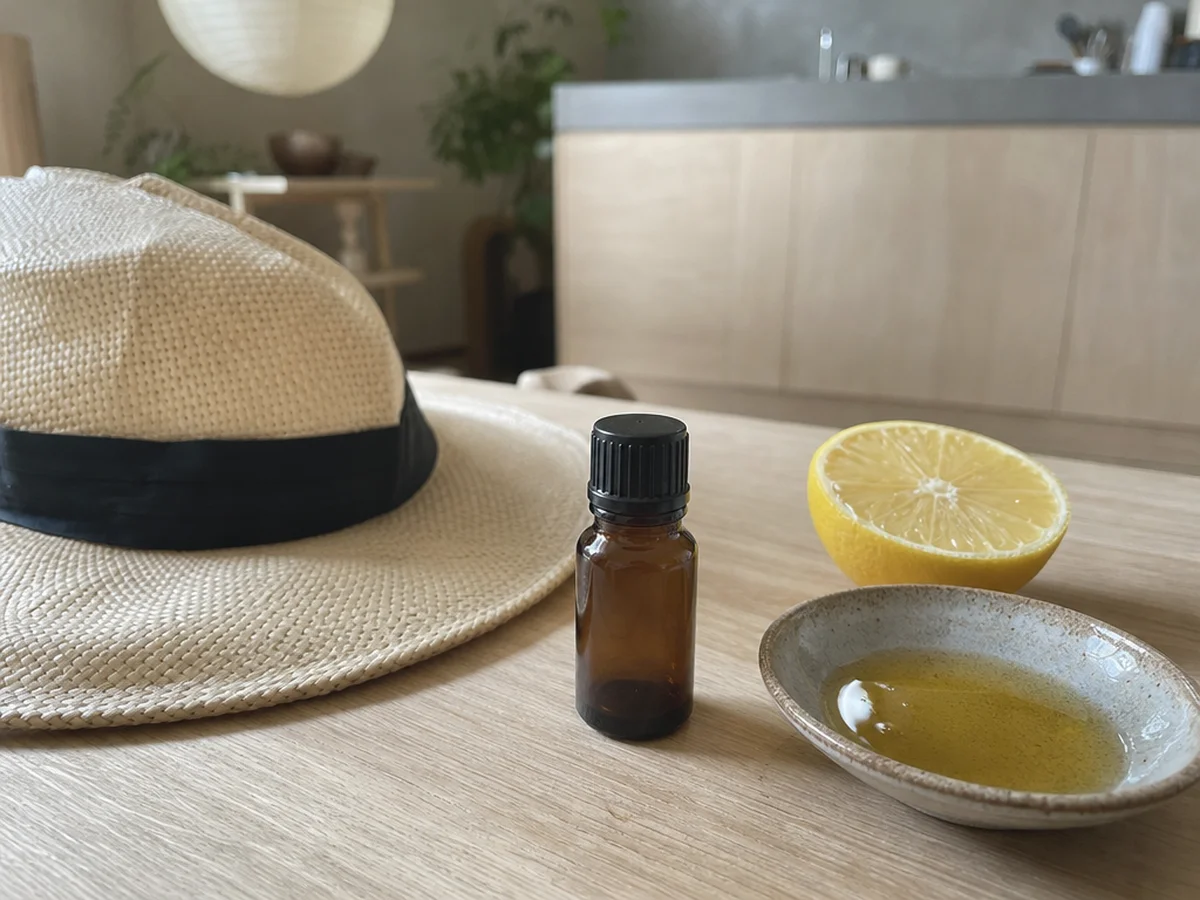
Because it is so light, a little goes a long way. Count your drops, close the cap at once, and put the bottle back in a cool, dark cupboard.
Where organic fits
Organic describes how the fruit was grown and handled, and it is a legal status in the United States: an operation that sells products as organic generally must be certified, and certification is documented by a certificate. It is a status of the farm and the handler, so it tells you about the paper trail, not about the limonene content, the scent or the sun rule. A cold-pressed lemon needs the same sun care whatever its farming. If organic status matters to you, and it matters to many buyers, ask us in writing for the certificate before you order, and read what organic certification really means for lemon oil for what a good answer looks like.
Put together, lemon oil is a simple idea: the aroma of a ripe peel, pressed and bottled. Knowing the species, the part, the method and the sun note puts you well ahead of most labels you will meet.
If you remember only one thing, let it be the label: plant, part and method. Everything else about lemon oil follows from those three words.
Organic Lemon Essential Oil
Organic Lemon Essential Oil from our own shop, in sizes from 0.5 oz to bulk.
From $15.99
Shop Now →Sources & Further Reading
- ISO 855:2003 - Oil of lemon [Citrus limon (L.) Burm. f.], obtained by expression, ISO
- Safety and efficacy of feed additives consisting of expressed lemon oil and its fractions from Citrus limon (L.) Osbeck and of lime oil from Citrus aurantiifolia (Christm.) Swingle for use in all animal species (FEFANA asbl), EFSA Journal, 2021
- Phototoxicity: essential oils, sun and safety, Tisserand Institute
- Dilution for essential oils, Tisserand Institute
- IFRA Standards, 51st Amendment, International Fragrance Association (standards for lemon oil cold pressed and for limonene)
- 7 CFR 205.100, What has to be certified, eCFR