What Affects Lemon Oil Prices? A Buyer's Reality Check
A lemon oil price tells you what a seller charges, not what is in the bottle. The more useful question is how much oil a finished product actually uses, and what extra the seller documents for a higher number. Once you do that sum, many price gaps look much smaller than they first seemed.
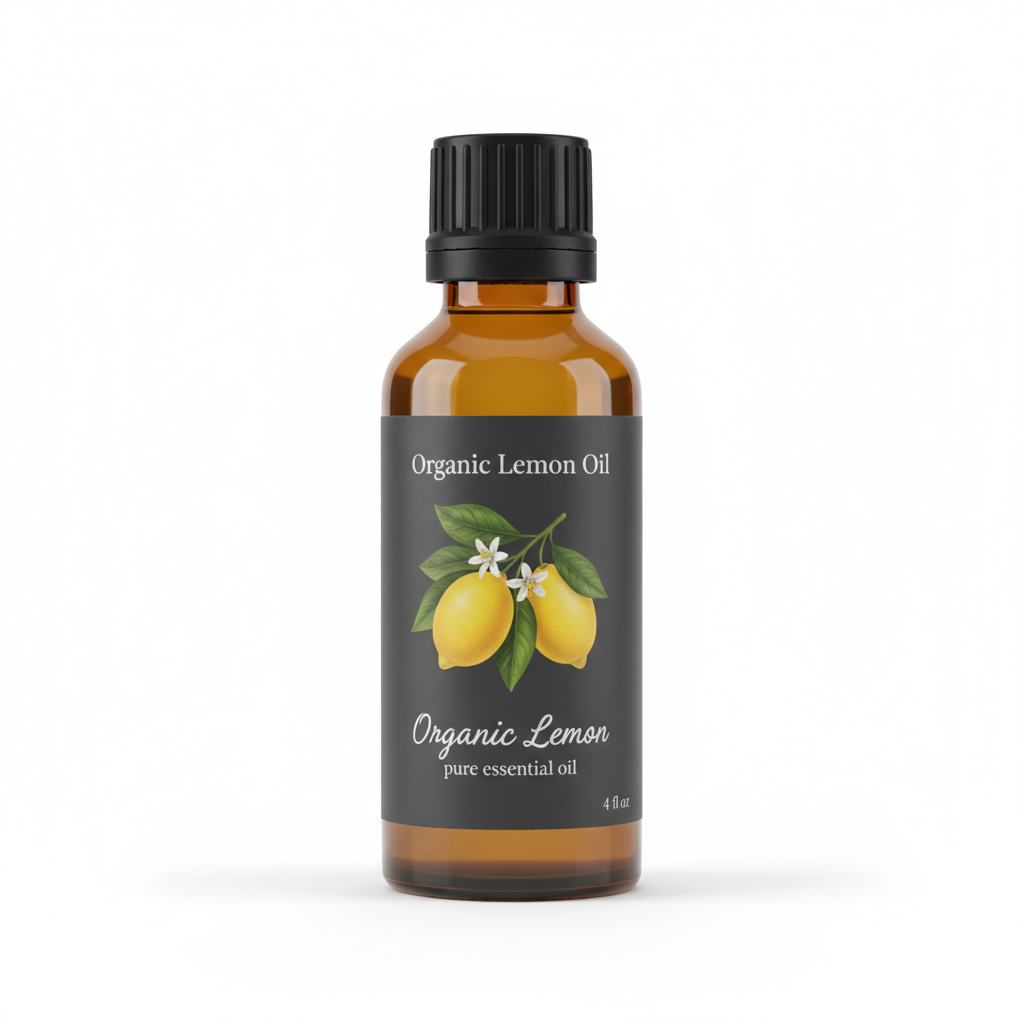
Organic Lemon Essential Oil
Our own Organic Lemon Essential Oil, in sizes from 0.5 oz to bulk.
From $15.99
Shop Now →Start with the finished bottle
Try the sum at your kitchen table before you compare a single listing. Write down how many drops your favorite recipe uses, how many batches you make in a year, and what that adds up to in milliliters. A person who mixes a jar of room spray once a month is using a very small amount over twelve months, and most people are surprised by how small. That number, not the biggest bottle on the page, is what should steer your decision.
Lemon oil is used in small amounts. Take a 1 oz (29.57 ml) leave-on bottle. At 1% it holds about 0.3 ml of lemon oil, roughly 6 drops by our arithmetic at 20 drops per ml, and at 2% about 0.6 ml, roughly 12 drops. IFRA’s ceiling for cold-pressed lemon in most leave-on products is 2.0%, and we recommend 0.5% to 2% with a patch test first. So compare two sellers by price per milliliter times the fraction of a milliliter you will really use. For many projects the carrier oil, the container and your time cost more than the lemon oil does. For current prices on our sizes, see the shop page.
What can move the price
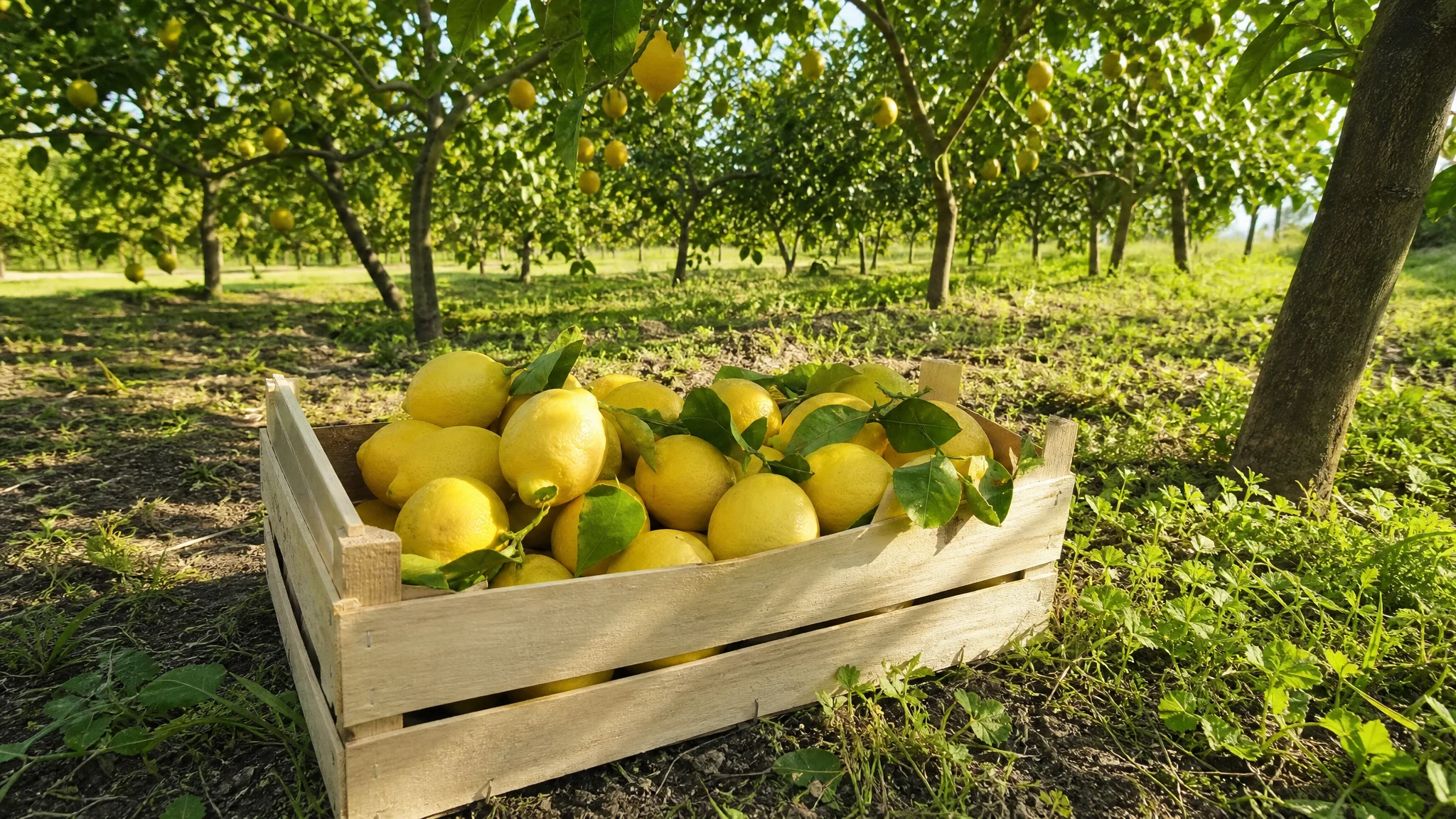
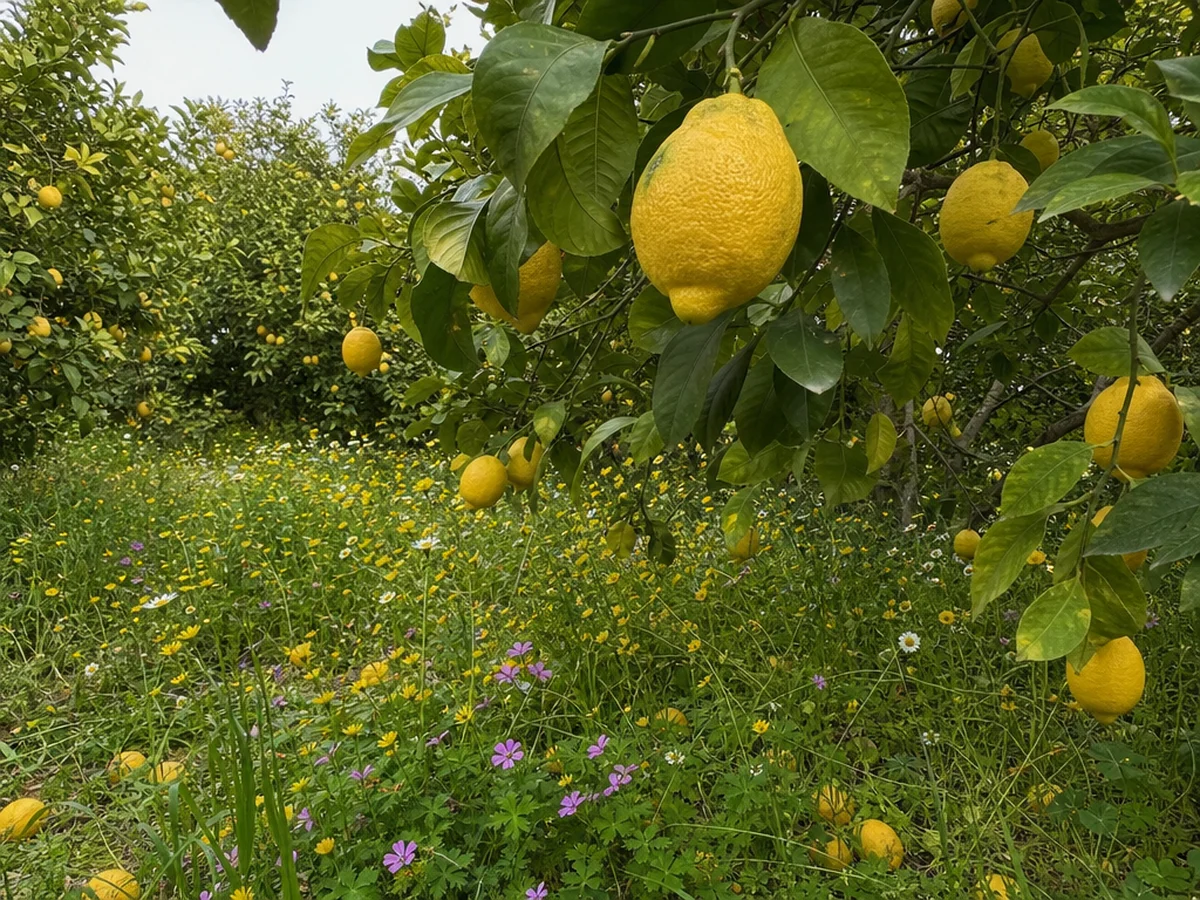
The peel. Cold-pressed lemon oil comes from the peel, and peel is plentiful: the abstract of a 2020 study puts peel waste at about 57% of processed lemons. Reasoning from that, the raw material is not scarce, which is one reason a good lemon oil need not be extravagant.
Season and variety. The same study found that peel oil amounts generally fell as fruit ripened, with peaks in November or December depending on the cultivar. The big Sicilian survey was built around the effect of season and pressing method. Lots differ, and so do the costs of getting a particular lot.
Organic status. A certified operation is inspected and keeps records, and its certificate is issued through the Organic Integrity Database (7 CFR 205.404). It is reasonable to expect that to cost something, though we do not have a figure for it. What a buyer can do is verify it: ask for the certificate and read it, as we describe in what organic certification really means. We sell our lemon oil as organic, and if you need the certificate for your records, ask us in writing through the contact page before you order.
Testing and paperwork. A GC-MS report, a residue panel or a peroxide value each costs a seller something per lot. The Certificate of Analysis for one batch of ours lists appearance, density, refractive index and optical rotation, and if you want something beyond it, ask first and get the answer in writing.
Packaging and size. Amber glass, caps and filling labor weigh more in a small bottle than in a drum, so the per-ounce rate usually falls as sizes grow. A larger container only wins if you use it up, though, since oil left in a half-empty bottle meets more air. Our post on choosing a bottle size shows how to match the two.
What you notice when the bottle arrives
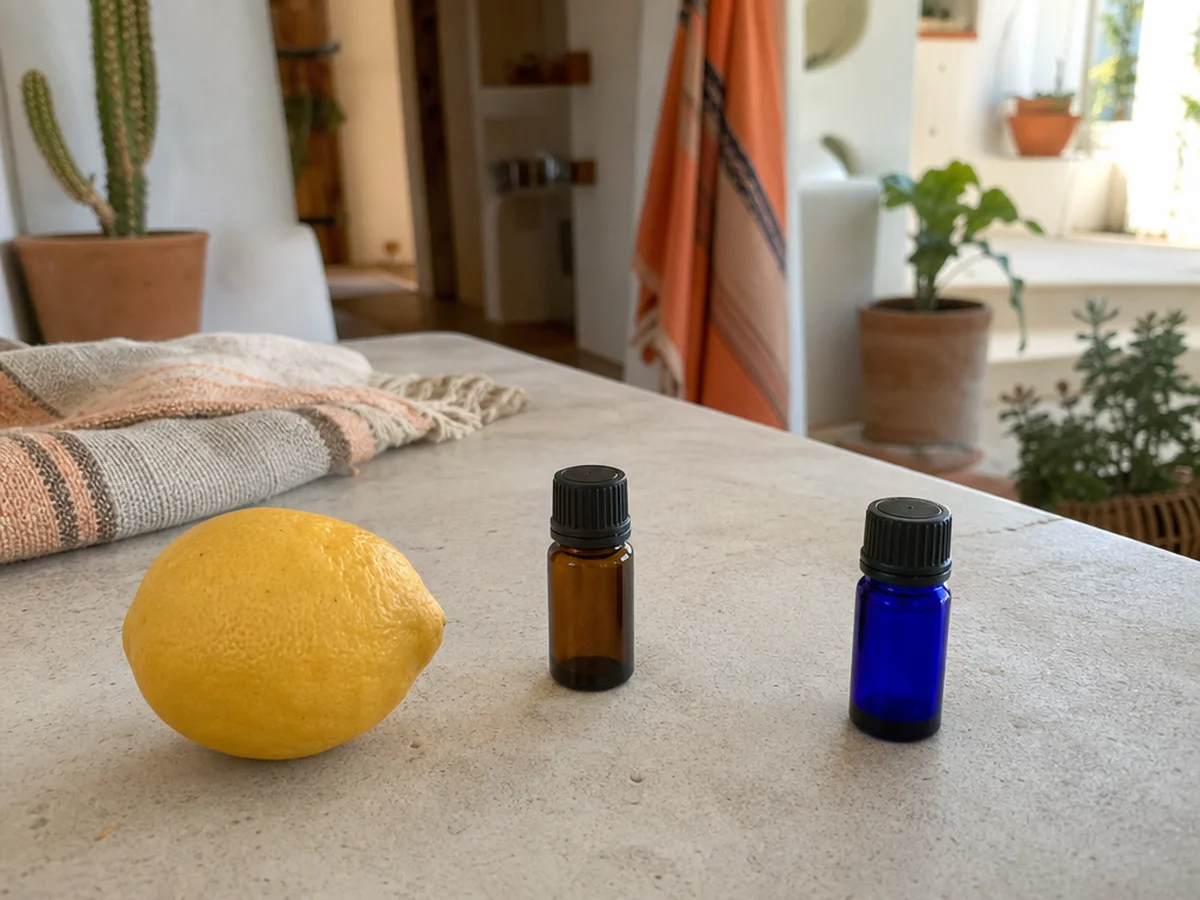
Whatever you paid, the bottle itself tells you a few things the moment you open it. Hold it up to the light: lemon oil should look thin and pale yellow, nothing syrupy. Take the cap off and breathe in once, a short sniff rather than a deep one. You are looking for the bright, zesty scent of a scored peel, with that sparkle right at the top.
Then look at the label. Does it name the plant, the part used and the method? Is there something you can ask about, such as a document for the batch? A seller who has made that easy has already given you more value than a lower number on a listing that tells you nothing.
What a price cannot prove
Price cannot show whether a lemon oil has been stretched with a cheaper citrus fraction. That is why researchers use laboratory methods on lemon oil, such as the 92-oil Sicilian survey, and why our post on checking lemon oil quality says to ask for documents rather than infer from the sticker. Organic status will not change the sun rules either: the IFRA standard on cold-pressed lemon applies whatever the farming, and lemon oil still needs to be kept capped, cool and dark. Paying for organic buys a certified trail, not a different phototoxicity limit.
How we would shop
If you are a hobbyist scenting a closet spray, a small bottle and the label facts are plenty. If you are putting a leave-on product on the market, the paperwork is worth more than a few cents a bottle, and a sample bottle on our wholesale page is a sensible way to evaluate the oil in your own formula before you commit to volume. Either way, divide by what you really use, not by what the bottle holds.
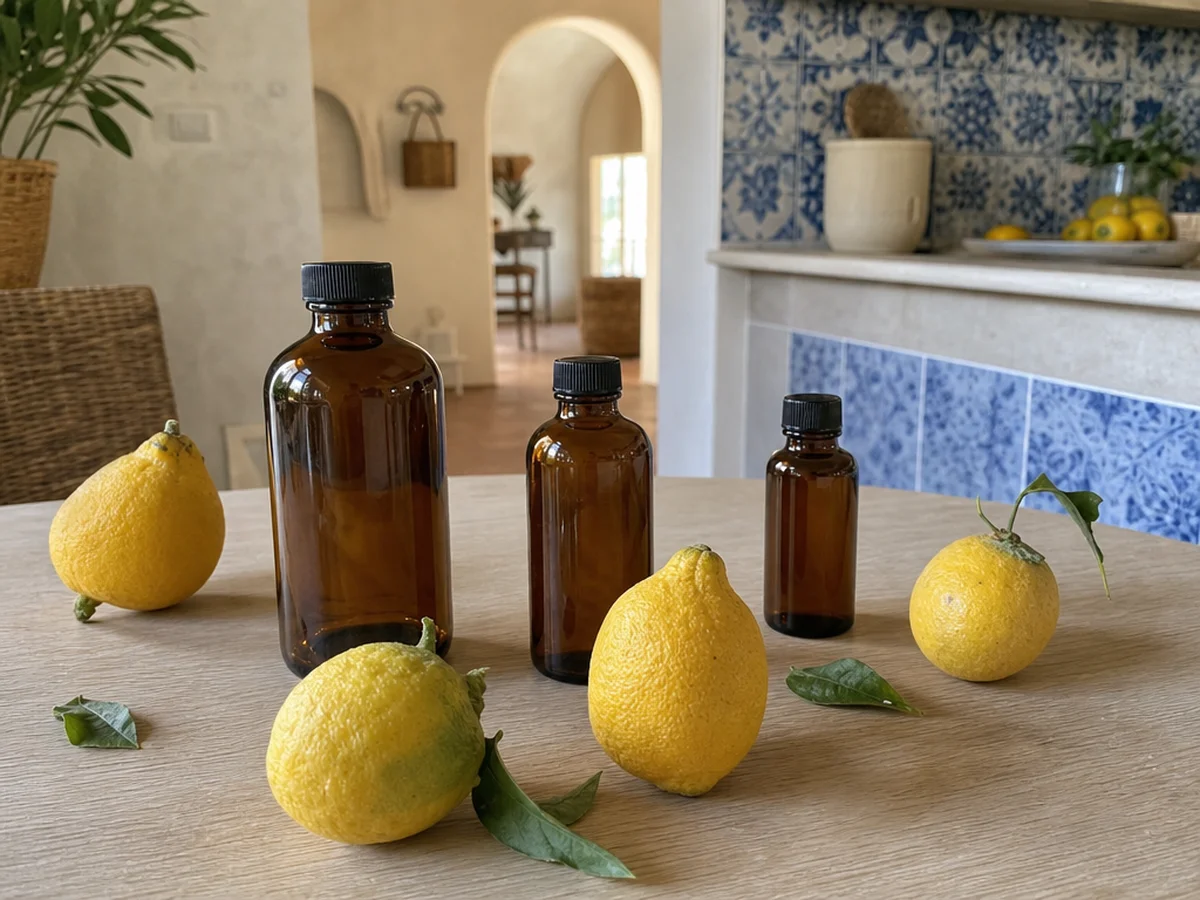
One last habit we like: keep a little note, even on the back of the bottle, of when you opened it and what you used it for. After a few months you will know exactly how fast you go through lemon oil, and the next purchase becomes an easy decision instead of a guess.
Organic Lemon Essential Oil
Organic Lemon Essential Oil from our own shop, in sizes from 0.5 oz to bulk.
From $15.99
Shop Now →Sources & Further Reading
- Variations of peel essential oils during fruit ripening in four lemon (Citrus limon (L.) Burm. F.) cultivars, Di Rauso Simeone et al., Journal of the Science of Food and Agriculture, 2020
- Sicilian lemon oil: Composition of volatile and oxygen heterocyclic fractions and enantiomeric distribution of volatile components, Dugo et al., Journal of Separation Science, 2010
- 7 CFR 205.404, Granting certification, eCFR
- IFRA Standards, 51st Amendment, International Fragrance Association (standards for lemon oil cold pressed and for limonene)