Cold-Pressed or Distilled Lemon Oil: Sun Safety and Scent
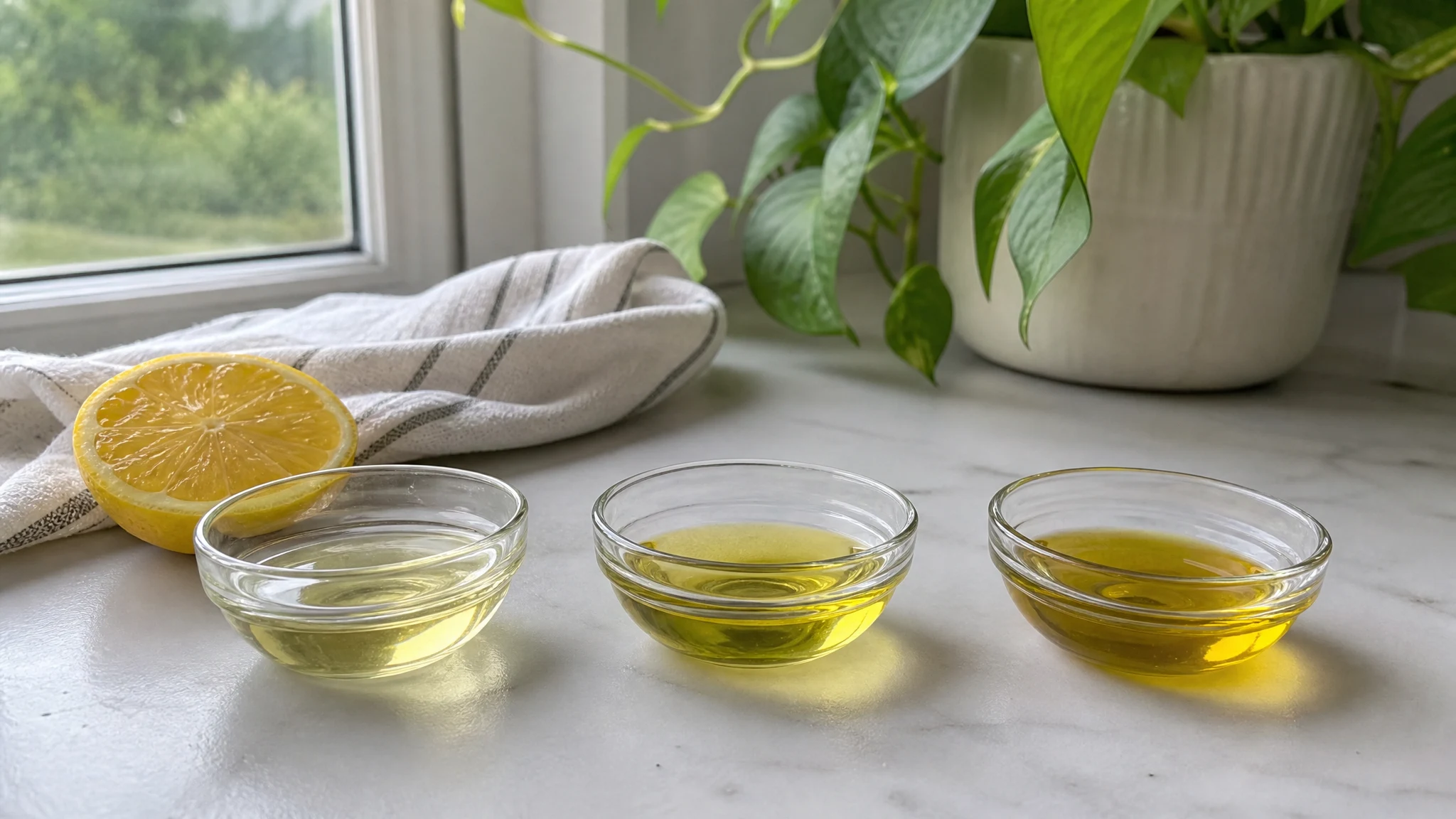
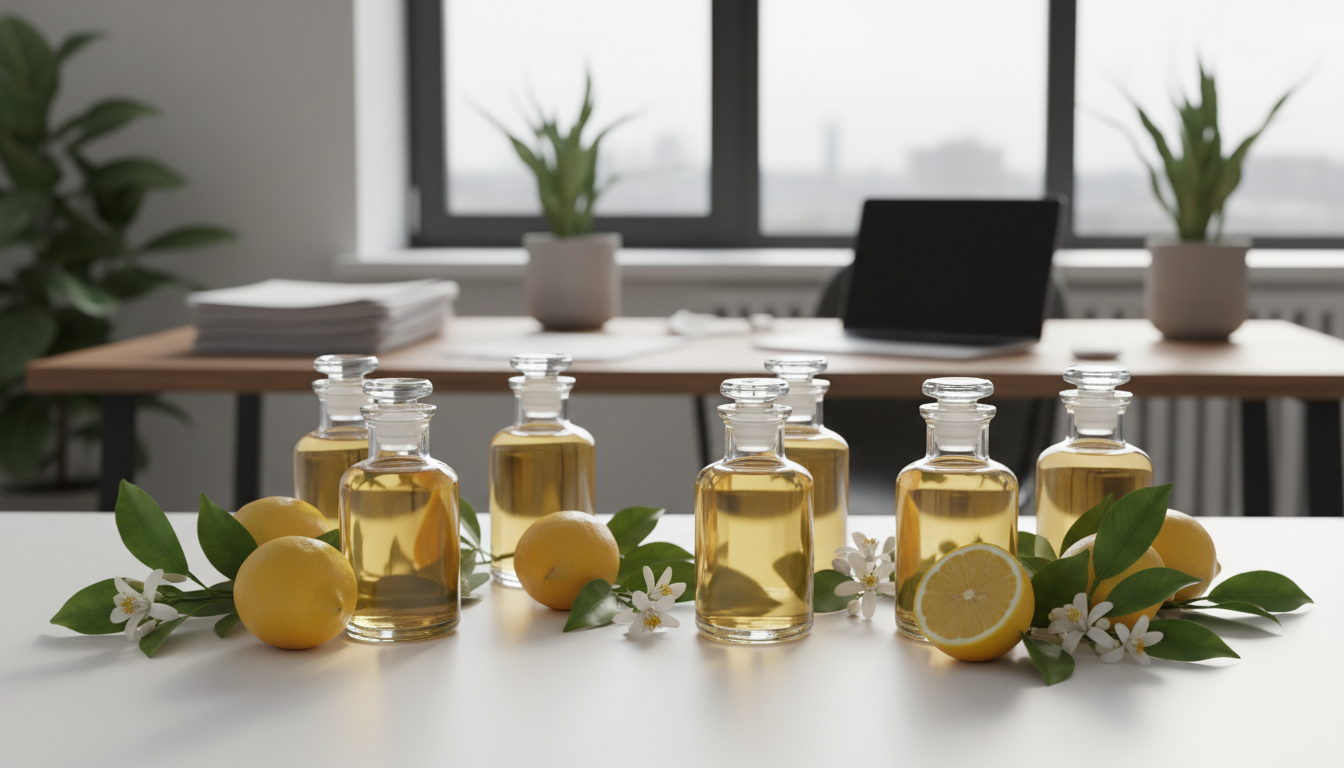
Two bottles of lemon oil can look nearly the same and behave very differently in the sun. One is pressed from the peel and comes out with everything the rind holds. The other is steam-distilled, and leaves the heavy, light-reactive molecules behind. If you plan to put lemon oil on skin, that difference matters more than any other on the label.
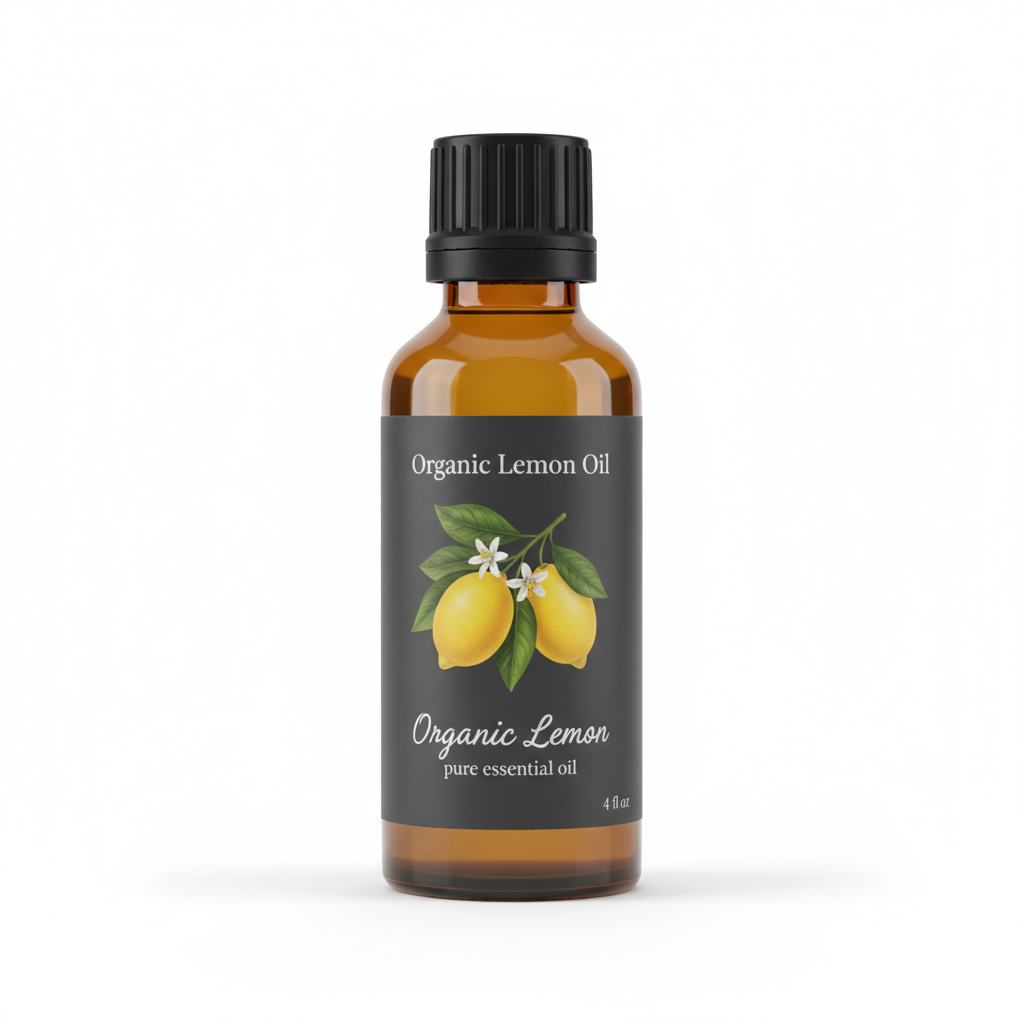
Organic Lemon Essential Oil
Our own Organic Lemon Essential Oil, in sizes from 0.5 oz to bulk.
From $15.99
Shop Now →Where the sun comes in
Citrus peel carries furanocoumarins, molecules that react with ultraviolet light. A cold-pressed oil collects them with the rest of the peel's oil. Our oil is cold-pressed, and we say so plainly: cold-pressed lemon is phototoxic, so we ask you to avoid sun on freshly applied areas. The Tisserand Institute adds that after a phototoxic amount of oil you should keep the skin out of UV for at least 12 hours (Phototoxicity: essential oils, sun and safety).
Distillation changes the picture. The same Tisserand page, citing a comparison of the two, reports that distilled lemon oil had about 930 times less citropten and 22 times less bergapten than expressed oil, and concludes that the distilled oil is not phototoxic even though it contains some furanocoumarins. A related answer from the Tisserand Institute makes the same point more simply: distilled essential oils are not phototoxic (Citruses: a comparison of different oils).
The rules written around it
The IFRA standard for cold-pressed lemon oil sets a limit of 2.0 percent in finished products in most categories, including leave-on skin products, and says it exists because of phototoxicity. It also lists no restriction for rinse-off hair and body products and for home cleaning and fragrance items (IFRA Standards, up to and including the 51st Amendment (January 2024)). The 2 percent is a ceiling, not a target. Tisserand puts it bluntly as the maximum, not a recommended amount, and for the face suggests 0.5 to 1.2 percent. Our guidance is 0.5 to 2 percent in a carrier oil with a patch test first, and our practical advice is to begin at the low end.
What about the scent?
We do not sell a distilled or furocoumarin-free lemon, and furocoumarin-free material smells noticeably different, so it is a separate product rather than a safer version of ours. That fits what we would expect on chemical grounds. Pressing and distilling collect different things from the same peel, because heat and steam change what comes over. Cold-pressed oil is the one that stays closest to the fruit: bright and peel-like, with the sparkle of a zested lemon, and that is the scent we sell. We would not promise how any particular distilled bottle from another maker smells, so smell before you commit.
Choosing for what you are making
- Room scent, diffusers, closets: the sun question disappears, so the cold-pressed scent is the obvious pick. Our notes on using lemon oil around the house are a good place to start.
- Soap and shampoo that rinse off: IFRA lists no restriction for these, but the rinse-off or leave-on status of your own product governs, so check it. Our soap rates give a starting point.
- Leave-on lotion, balm or body oil for exposed skin: keep to the lower end, avoid sun on the area afterwards, and consider whether a distilled lemon from a craft supply shop fits your product better. Ask the seller whether it is distilled and what documentation it comes with, since the label alone may not tell you.
Our dilution chart and sun and skin basics walk through the numbers. If you are formulating a product line, the wholesale page explains how to order a sample bottle and judge the scent in your own product.
Pick on the job, not on the name on the bottle. Lemon is a flexible oil when you know which kind you are holding.
Organic Lemon Essential Oil
Organic Lemon Essential Oil from our own shop, in sizes from 0.5 oz to bulk.
From $15.99
Shop Now →Sources & Further Reading
- Phototoxicity: essential oils, sun and safety, Tisserand Institute.
- Citruses: a comparison of different oils, Tisserand Institute.
- Dilution for essential oils, Tisserand Institute.
- IFRA Standards, up to and including the 51st Amendment (January 2024).