How to Tell When Lemon Oil Has Gone Off
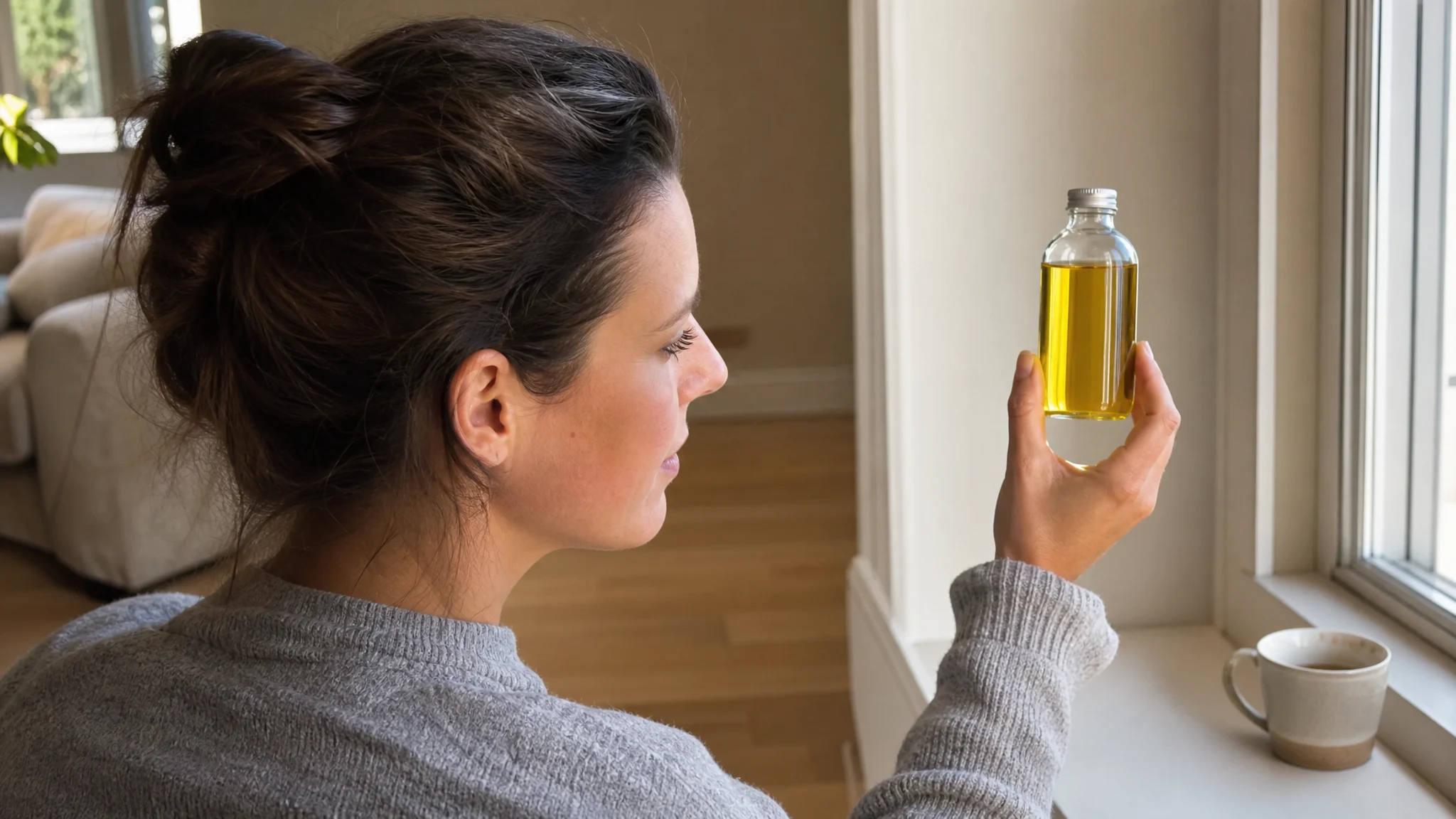
Open a bottle of lemon oil that has spent two summers on a bright shelf and the first thing you notice is what is missing. The sparkle has gone flat and something heavier has crept in, a little like old orange peel. Lemon oil does not spoil the way milk does, but it does change, and it is worth knowing how.
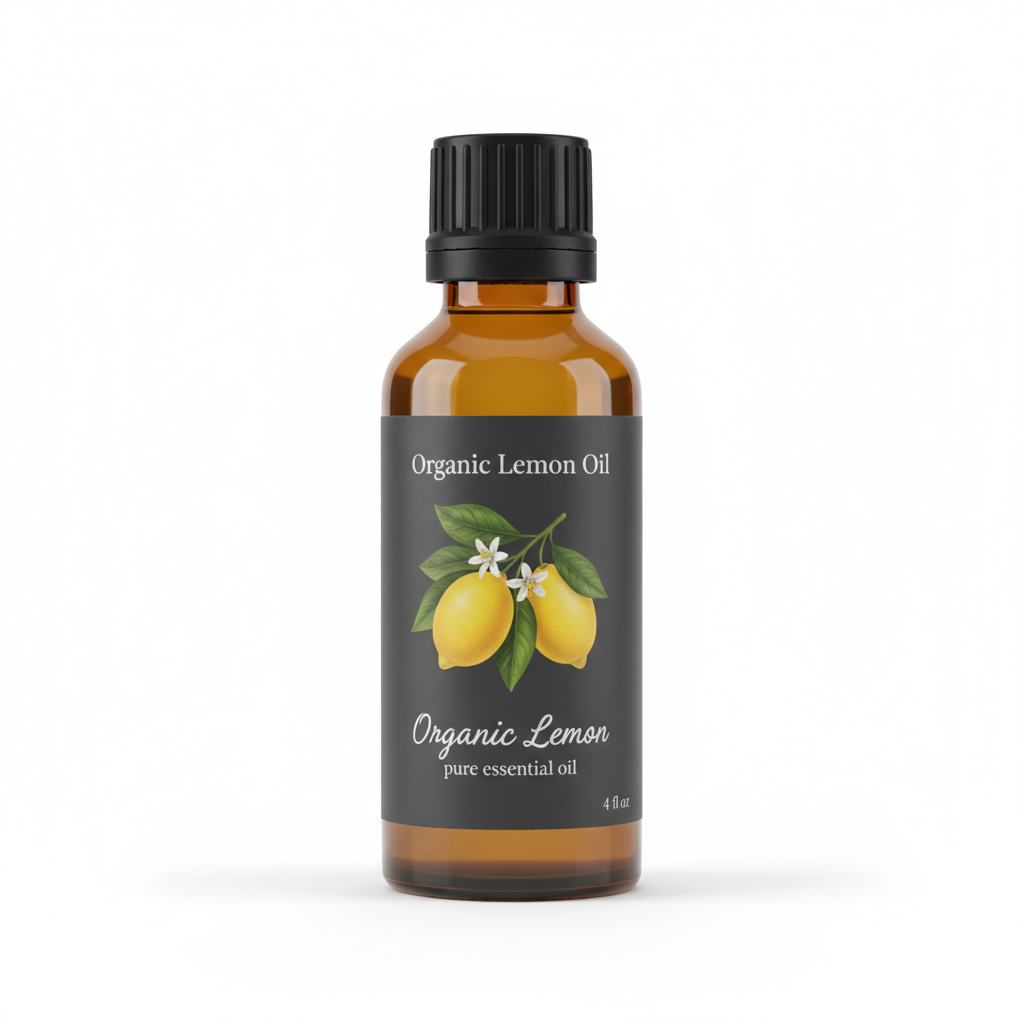
Organic Lemon Essential Oil
Our own Organic Lemon Essential Oil, in sizes from 0.5 oz to bulk.
From $15.99
Shop Now →What is actually happening in the bottle
Lemon oil is mostly limonene. In ten batches of expressed lemon oil analysed for the European Food Safety Authority, d-limonene averaged about 65 percent of the oil, with beta-pinene and gamma-terpinene making up most of the rest (Safety and efficacy of feed additives consisting of expressed lemon oil and its fractions from Citrus limon (L.) Osbeck and of lime oil from Citrus aurantiifolia (Christm.) Swingle for use in all animal species (FEFANA asbl)). Limonene reacts with oxygen, and heat and light speed the reaction along. The oil does not go off all at once. The bright top notes fade first and oxidation products build up behind them. Those products include hydroperoxides, and that is the part that matters for skin.
The signs worth looking for
- The smell shifts. The zesty snap dulls, and a stale, flatter peel note appears. Trust your nose; this is usually the earliest sign.
- The colour deepens. Fresh lemon oil is thin and pale yellow. A noticeably darker bottle has been through more air than a pale one.
- The texture changes. Oil that has turned thicker, cloudy or slightly sticky around the neck of the bottle is well past its best.
- The cap is the culprit. A bottle opened often, or left half empty, holds more air, and more air means faster change.
None of these signs gives a number, and a bottle can smell acceptable while sitting in the early stages. There is no home test for peroxides. That is why we lean on dates and habits more than on sniffing.
Why the skin matters more than the scent
A flat-smelling oil in a diffuser is a disappointment. The same oil on skin is a different proposition. Air-exposed d-limonene sensitised guinea pigs in a 1992 study while unexposed limonene did not (Air oxidation of d-limonene (the citrus solvent) creates potent allergens.), and when 5,773 people with dermatitis were patch tested between 2013 and 2020, 5.1 percent reacted to oxidised limonene (Contact allergy to oxidized linalool and oxidized limonene: Patch testing in consecutive patients with dermatitis.). Those patients were already being investigated for a rash and were tested with deliberately aged material, so the figure says little about a fresh bottle. It does explain why the fragrance industry takes the issue seriously: the IFRA standard on limonene notes that its oxidation products, especially hydroperoxides, are potent sensitisers, and it points to a peroxide value limit and to antioxidants as the industry's answer (IFRA Standards, up to and including the 51st Amendment (January 2024)). Our oil has nothing added, no antioxidant and no diluent, which makes the cap and the shelf do the protecting.
How long to keep a bottle
We say about 1 to 2 years unopened, stored capped, cool and away from light, and the date on your bottle or lot governs. Once it is open, we would treat it differently: aim to finish it within about a year for skin, and let an older bottle retire to jobs that never touch skin, such as scenting a cupboard. Smaller bottles used faster beat a large bottle opened weekly, which is why we suggest decanting working amounts into smaller airtight glass bottles. Our storage guide covers the habits in detail, and judging lemon oil quality looks at what a nose can and cannot tell you.
If you doubt a bottle, retire it from skin jobs and use it for the cupboard. A fresh one is easy to come by, and a flat, darkened oil is not worth the gamble on your skin.
Organic Lemon Essential Oil
Organic Lemon Essential Oil from our own shop, in sizes from 0.5 oz to bulk.
From $15.99
Shop Now →Sources & Further Reading
- Air oxidation of d-limonene (the citrus solvent) creates potent allergens. Karlberg et al., Contact Dermatitis, 1992.
- Contact allergy to oxidized linalool and oxidized limonene: Patch testing in consecutive patients with dermatitis. Sukakul et al., Contact Dermatitis, 2022.
- IFRA Standards, up to and including the 51st Amendment (January 2024), Limonene standard.
- Safety and efficacy of feed additives consisting of expressed lemon oil and its fractions from Citrus limon (L.) Osbeck and of lime oil from Citrus aurantiifolia (Christm.) Swingle for use in all animal species (FEFANA asbl), EFSA Journal, 2021.