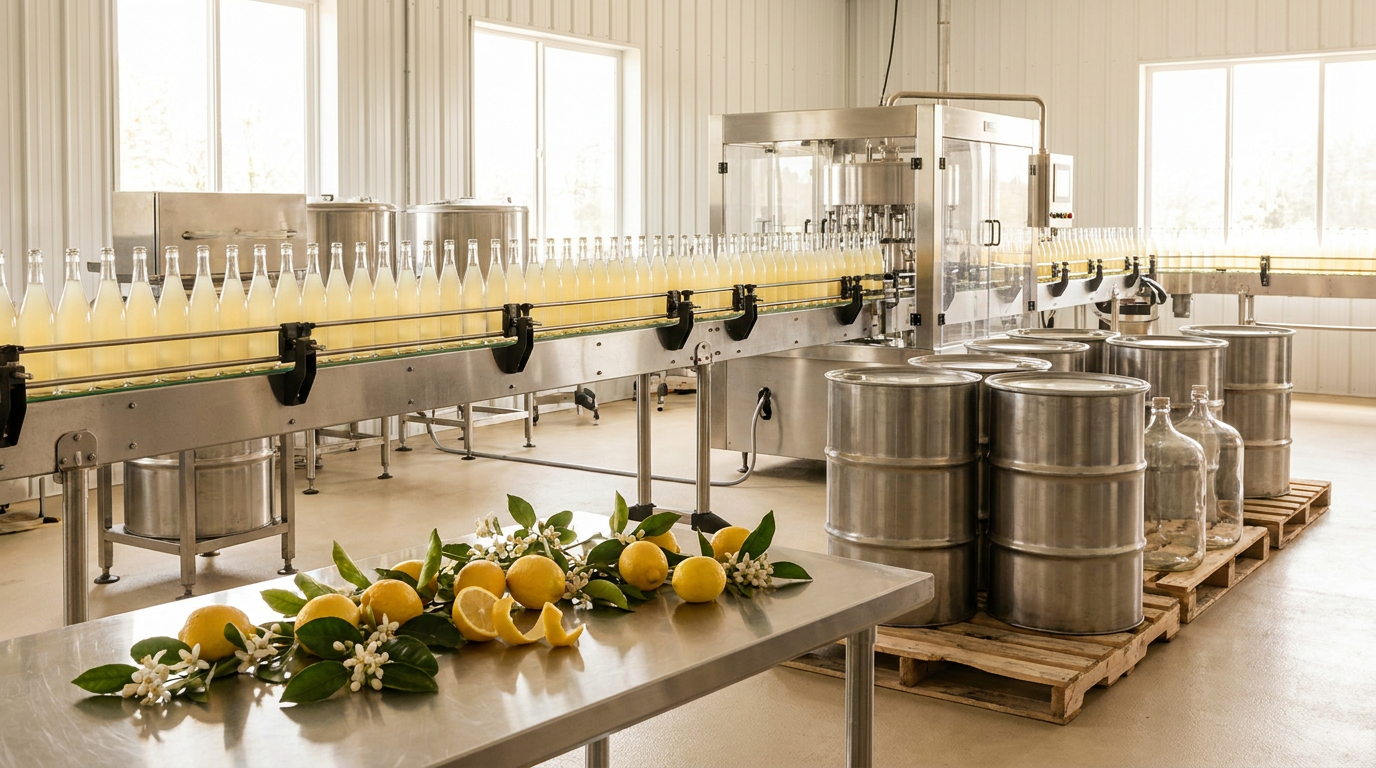
Cleaning product makers buy more lemon oil at wholesale scale than any other category, and for good reason: the scent sells itself and the chemistry actually helps the formula work. This page is part of our Guide to Buying Organic Lemon Essential Oil in Bulk.
Check bulk pricing for pound and drum sizes before you scale production.
Lemon oil's citrus character is not just a pleasant cover scent, it carries real solvency. Limonene, the dominant compound in this oil, cuts through grease and sticky residue in a way that plain water and surfactant alone do not, which is why so many countertop and glass sprays lean on citrus oils rather than a synthetic fragrance.
It also matches consumer expectation. Shoppers already associate a sharp lemon smell with a clean surface, an association our own guide to cleaning with lemon oil and all-purpose spray recipes both lean on, so a formula built around this oil does not need to work hard to signal what it is for.
Most cleaning formulators add lemon oil late in the mixing process, after surfactants and water are combined, since the lighter terpene fraction that carries most of the scent volatilizes quickly under heat or agitation. Dilution rates vary widely by product type, from a light scenting pass in an all-purpose spray to a heavier load in a concentrate meant to be diluted again at the point of use.
Because pressed citrus oils oxidize as they age, as covered in our shelf life and oxidation guide, finished cleaning products should be formulated and bottled reasonably soon after the oil arrives, not stockpiled as a raw ingredient for long stretches.
Cleaning brands typically test a formula at 4 oz or 8 oz, scale a first production run at 5 lbs or 25 lbs, and move to drum tiers once the formula and demand are proven.
Visit our bulk page for current pricing, or contact us with formulation questions.
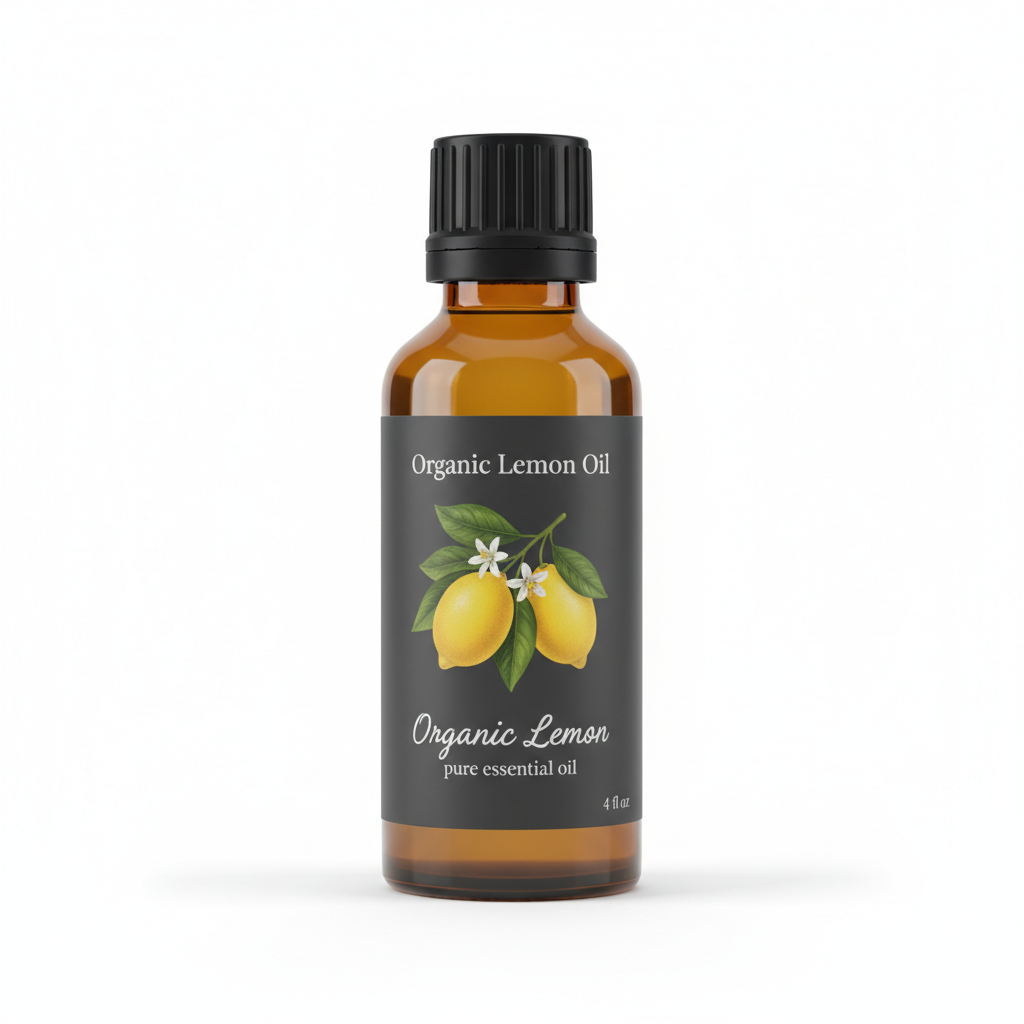
Our own Organic Lemon Essential Oil, in sizes from 0.5 oz to bulk.
From $15.99
Shop Now →