DIY Lemon All-Purpose Cleaning Spray: Three Recipes That Smell Amazing
There is something deeply satisfying about a kitchen that smells like fresh citrus after you've wiped down the counters. A good diy lemon cleaning spray does that. It fills the room with brightness, cuts through grease, and costs a fraction of what commercial sprays run per bottle. The catch is that not all homemade sprays are equal. The base matters. The dilution matters. And the quality of the lemon oil you choose matters more than most recipes mention.
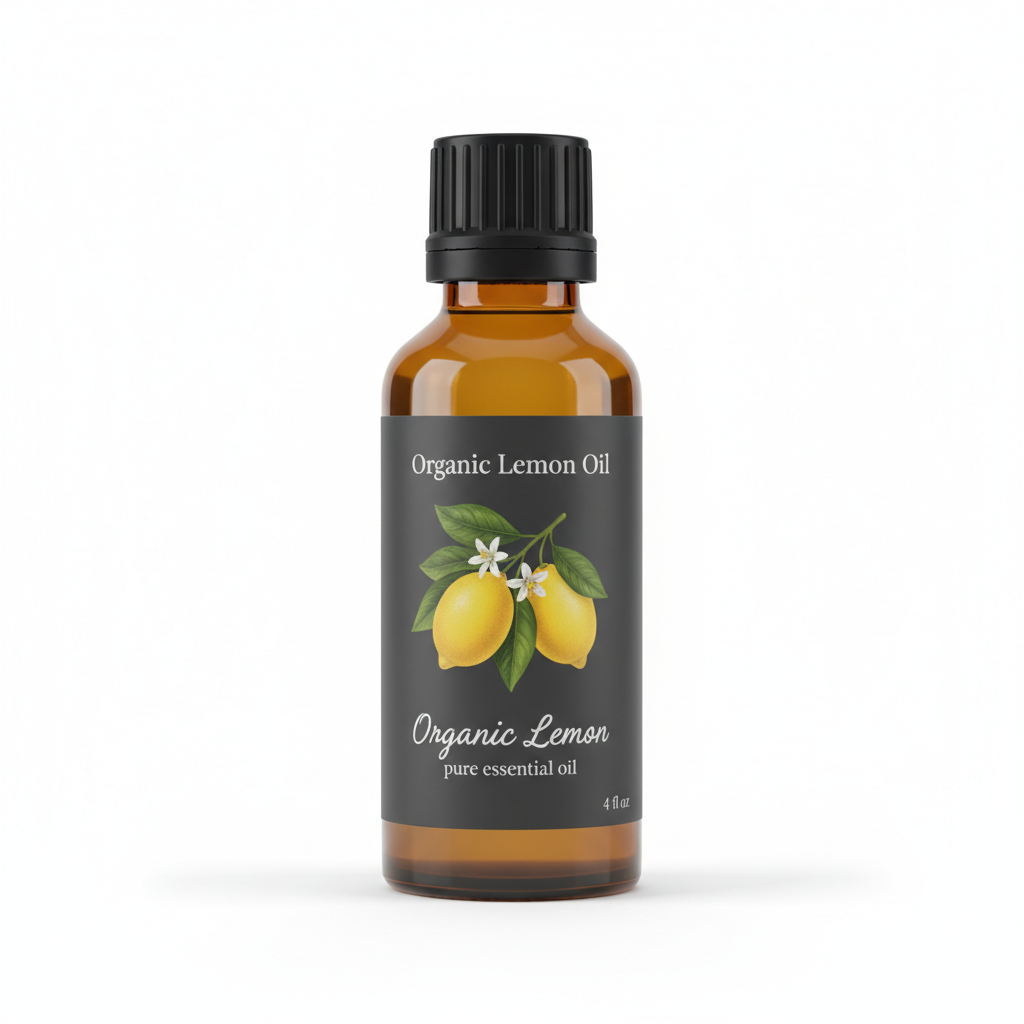
Organic Lemon Essential Oil
Our own Organic Lemon Essential Oil, in sizes from 0.5 oz to bulk.
From $15.99
Shop Now →This guide walks through three distinct lemon oil cleaner recipes, each suited to a different surface or household preference. One is vinegar-based for everyday messes. One is castile-based for softer surfaces. One is a quick water-and-alcohol formula when you need something fast-drying and streak-free. All three use organic cold-pressed lemon essential oil as the aromatic anchor.
Before we get into the recipes, a note on what lemon oil can and cannot do in a cleaning context. Lemon oil contributes a powerfully fresh scent, and its natural constituents have been studied with interest by researchers. However, these sprays are presented here as natural all-purpose sprays for routine household cleaning, not as substitutes for products required in food-safety or sanitation contexts. More on that in the safety section.
What You Need to Know Before You Start
Choosing Your Lemon Oil
Cold-pressed lemon oil (sometimes labeled "expressed" or "sunshine pressed") is extracted from the rind without heat, which preserves its bright, true-to-fruit aroma. Steam-distilled lemon oil exists and is fine for many applications, but the scent profile is noticeably flatter. For a spray you'll use every day, the cold-pressed version is worth the difference in cost. Look for organic certification to avoid pesticide residues, since the cold-press process extracts whatever is present in the peel.
If you want a deeper look at how lemon oil fits into a broader home routine, our guide on how to use lemon oil at home covers applications room by room.
Bottles and Equipment
- 16-ounce amber or cobalt glass spray bottles (essential oils degrade plastic over time)
- A small funnel
- Measuring cups and a liquid measuring jug
- Labels and a permanent marker
- A small whisk or chopstick for mixing
Difficulty Level and Prep Time
Difficulty: Beginner-friendly. No special equipment required beyond a spray bottle and basic measuring tools.
Prep time: 5 to 10 minutes per recipe. Mixing is simple. The most time-intensive part is labeling and waiting for ingredients to come to room temperature if you store your vinegar in the refrigerator.
Recipe 1: Classic Vinegar-Based Lemon Spray
This is the workhorse. White distilled vinegar cuts through grease and light mineral deposits on most hard surfaces. The lemon oil softens the vinegar smell considerably and adds its own aromatic character. This is the recipe to reach for on kitchen counters, stovetop surrounds, and bathroom sinks.
Ingredients
| Ingredient | Amount |
|---|---|
| Distilled white vinegar (5% acidity) | 1 cup (240 ml) |
| Distilled water | 1 cup (240 ml) |
| Organic cold-pressed lemon essential oil | 30 drops |
| Optional: dried lemon zest or a few sprigs of rosemary | For aesthetics only |
Instructions
- Pour the distilled water into your 16-ounce spray bottle using a funnel.
- Add the white vinegar.
- Drop in the lemon essential oil.
- Cap the bottle and shake gently for about 20 seconds to disperse the oil.
- Label clearly with contents and date.
- Shake again before each use, as the oil will separate between applications.
Dilution ratio: 30 drops of essential oil in approximately 16 ounces of liquid works out to roughly 0.6%, which is well within the safe range for a rinse-off or wipe-off surface application.
Best Used On
Sealed stone countertops (not unsealed marble or granite), glass, ceramic tile, stovetop surrounds, and stainless steel. Wipe with a dry cloth after spraying to avoid streaks.
Recipe 2: Castile Soap Lemon Spray (Gentle Surface Formula)
Castile soap and vinegar should not share the same bottle. The acid in vinegar breaks down the soap and leaves a cloudy, curdled-looking liquid that loses most of its cleaning power. If you want a soap-based spray, skip the vinegar entirely and work with water and witch hazel instead. This version is gentler and well-suited to painted walls, wood laminate (wiped dry immediately), and fabric upholstery spritzed lightly.
Ingredients
| Ingredient | Amount |
|---|---|
| Distilled water | 1.5 cups (360 ml) |
| Unscented liquid castile soap | 2 tablespoons (30 ml) |
| Witch hazel (alcohol-free if possible) | 2 tablespoons (30 ml) |
| Organic cold-pressed lemon essential oil | 20 drops |
| Optional: 10 drops of lavender or eucalyptus essential oil | For a blended scent |
Instructions
- Pour the distilled water into the spray bottle first.
- Add the witch hazel.
- Slowly pour in the castile soap. Adding soap last (or near last) reduces foam during mixing.
- Add the essential oil drops.
- Cap and tilt the bottle gently back and forth rather than shaking vigorously, which causes excessive sudsing.
- Label and date.
This spray produces a very light lather on contact, which rinses or wipes away cleanly. Shake gently (not vigorously) before each use.
Best Used On
Painted walls, cabinet fronts, laminate surfaces, upholstered furniture (spot-test first), and general dusting applications where a very light moisture is needed.
Recipe 3: Fast-Drying Alcohol Spray (Glass and Mirror Formula)
This one is borrowed loosely from professional window-cleaning logic. Isopropyl alcohol evaporates quickly, which means fewer streaks on reflective surfaces. Combined with a small amount of distilled water and lemon oil, it produces a spray that leaves glass surfaces clear and smelling like a freshly peeled lemon. It is also well-suited to metal fixtures and doorknobs.
Ingredients
| Ingredient | Amount |
|---|---|
| Isopropyl alcohol (70% concentration) | 1 cup (240 ml) |
| Distilled water | 3/4 cup (180 ml) |
| Organic cold-pressed lemon essential oil | 15 drops |
Instructions
- Pour the isopropyl alcohol into your glass spray bottle.
- Add the distilled water.
- Add the lemon essential oil drops.
- Cap and shake gently.
- Label clearly, including the word "flammable" as a precaution, and store away from heat sources.
Important note on flammability: Isopropyl alcohol is flammable. Store this spray away from open flames, gas burners, and direct heat. Do not spray near lit candles or while using a gas stovetop.
Best Used On
Mirrors, glass shower doors, windows, chrome fixtures, and stainless steel appliances. Spray and wipe immediately with a microfiber cloth for best results.
Safety Warnings and Contraindications
These apply to all three recipes. Please read this section before mixing.
Essential Oil Dilution
The recipes above are formulated for surface application and are not designed to contact skin directly in meaningful amounts. If you are using any of these sprays in a way that involves significant skin contact (for example, spraying a countertop and then working with your bare hands on that surface immediately), rinse your hands with plain water afterward. The dilution levels here are appropriate for surfaces, not for leave-on skin products.
Patch Testing for Surfaces
Before using any of these sprays on a new surface, test in an inconspicuous area first. The vinegar formula in particular can dull the finish on natural stone, lacquered wood, and wax-polished surfaces over time. The castile formula may leave a slight residue on glass if not wiped thoroughly. When in doubt, test a small spot and wait 10 minutes before proceeding.
Surfaces to Avoid
- Unsealed marble, granite, or limestone: Avoid the vinegar recipe entirely. The acid can etch the surface permanently. Use the castile formula instead, and wipe dry immediately.
- Hardwood floors: None of these sprays are appropriate for unsealed hardwood. Use a specifically formulated wood cleaner.
- Rubber seals and gaskets: Prolonged exposure to undiluted essential oils can degrade rubber. These sprays are fine for incidental contact, but avoid repeated soaking of rubber components.
Skin and Eye Contact
Cold-pressed lemon oil is phototoxic. This means that if it contacts skin and that skin is then exposed to direct sunlight or UV light within 12 to 18 hours, it may cause a skin reaction. When using these sprays, avoid direct skin contact. If contact occurs, wash with soap and water. Keep all sprays away from eyes. If eye contact occurs, flush thoroughly with water.
Children and Pets
Store all sprays out of reach of children. Essential oils, including lemon, can be irritating to pets, particularly cats, who process certain plant compounds differently than humans do. Ensure good ventilation when spraying in areas where pets spend time. Consult a veterinarian if you have specific concerns.
A Note on Cleaning Claims
These sprays are suitable for routine household surface cleaning. They are not validated for food-preparation sanitization or clinical settings. For surfaces requiring validated sanitation products (cutting boards used with raw meat, for example), use products specifically formulated and tested for that purpose. Always consult a qualified professional for questions about appropriate products in food-safety or healthcare contexts.
Storage Instructions and Shelf Life
| Recipe | Recommended Storage | Estimated Shelf Life |
|---|---|---|
| Vinegar-Based | Cool, dark location. Glass bottle preferred. | Up to 6 months |
| Castile Soap Formula | Cool location, away from direct sunlight. | 4 to 6 weeks (soap can degrade faster) |
| Alcohol Glass Spray | Away from heat and flame. Glass bottle only. | Up to 12 months |
Cold-pressed lemon oil oxidizes faster than many other essential oils due to its high limonene content. Once oxidized, the scent shifts from bright citrus toward something flat and slightly sour. If your spray smells off, the oil has likely turned. Discard and mix a fresh batch. This is one reason to make these in 16-ounce batches rather than large quantities.
Write the mixing date on every label. It takes 10 seconds and saves guesswork later.
Variations and Substitutions
Swapping the Citrus
Cold-pressed grapefruit or bergamot oil can step in for lemon in any of these recipes if you want a slightly different aromatic profile. Note that bergamot is also phototoxic unless it is labeled FCF (furanocoumarin-free). Grapefruit oil is generally considered lower risk in this regard, though all cold-pressed citrus oils warrant some caution regarding sun exposure on skin.
Adding Complementary Botanicals
Lemon pairs naturally with a number of other plant oils in a scent context. Ten drops of peppermint alongside the lemon in Recipe 1 gives the spray a sharper, more invigorating quality. A few drops of cedarwood or fir needle in the alcohol spray (Recipe 3) creates a crisp, forest-meets-citrus atmosphere that works particularly well in bathrooms.
No Witch Hazel?
In Recipe 2, witch hazel helps disperse the essential oil slightly and contributes mild astringency. If you do not have it, substitute with the same volume of distilled water. The spray will still perform well, though the oil may separate a bit more between uses. Shake more thoroughly before each application.
If you enjoy working with lemon oil in the kitchen, our piece on diy lemon-infused olive oil for the kitchen explores a very different application of the same botanical. And for a morning routine that carries the same bright citrus character, the diy lemon sugar scrub and shower melts guide is worth bookmarking.
A Few Honest Notes on Expectations
Homemade sprays are genuinely good at routine surface cleaning. They are not going to perform identically to heavy-duty commercial products in every situation, and that is worth saying plainly. For sticky, built-up grease, you may need to let the vinegar formula sit for a minute or two before wiping. For stubborn water spots on glass, a second application of the alcohol spray usually clears them.
The lemon scent is the real daily reward here. Commercial sprays often use synthetic lemon fragrance, which has a sharper, more chemical quality once you've spent time with the real oil. After a few weeks of using these recipes, the difference is hard to ignore. The organic cold-pressed version smells like a lemon. It is, in the most literal sense, from one.
Keep a small notebook in your cleaning cabinet and jot down which recipe worked best for each surface in your home. Every house is different. Within two or three weeks, you'll have a personal reference guide that's worth more than any generic formula.