DIY Lemon Sugar Scrub and Shower Melts: A Bright Morning Ritual
Some mornings need a little encouragement. A lemon sugar scrub and a fizzing citrus shower melt side by side on your shower shelf can do exactly that: fill the steam with something vibrant and give your skin a moment of genuine care before the day begins. Both projects use organic cold-pressed lemon oil as the aromatic anchor, and both come together in under thirty minutes with pantry-friendly ingredients.
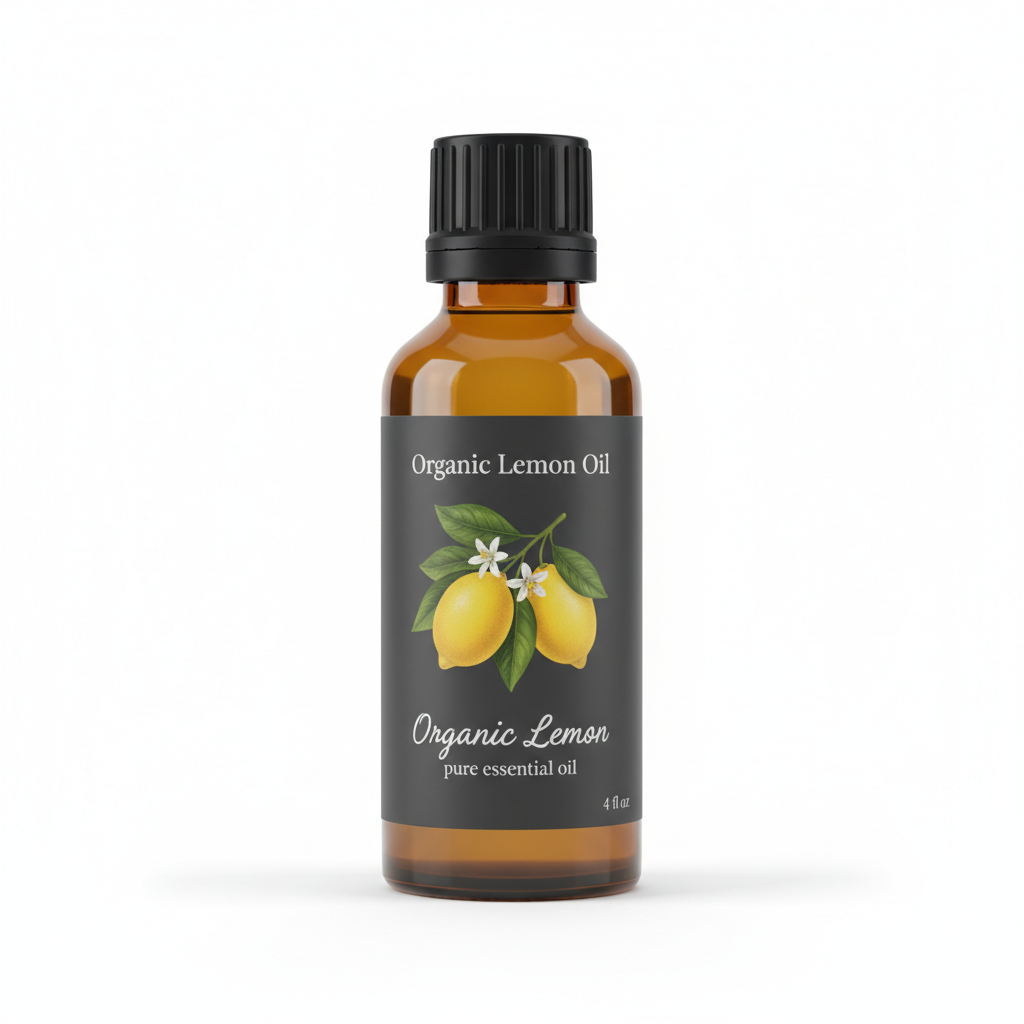
Organic Lemon Essential Oil
Our own Organic Lemon Essential Oil, in sizes from 0.5 oz to bulk.
From $15.99
Shop Now →This guide walks you through both recipes in full, including safety guidelines, storage notes, and a handful of variations worth trying once you have the basics down.
Before You Start: A Note on Organic Cold-Pressed Lemon Oil
The quality of your lemon oil shapes everything here. Cold-pressed lemon oil (also labeled as expressed) is mechanically extracted from the outer rind of the fruit without heat, which preserves the fresh, bright top notes that make lemon so immediately recognizable in a steam-filled shower. Organic sourcing matters here because the peel concentrates whatever the fruit was grown with. Look for an oil that lists Citrus limon as the botanical name and specifies cold-pressed or expressed on the label.
If you want to dig into what makes lemon oil interesting from a blending perspective, the complete lemon oil pairing guide is worth bookmarking before you experiment with the variations below.
Safety First: What You Need to Know Before Applying Citrus Oil to Skin
Cold-pressed lemon oil is photosensitive. This is the most important safety detail in this entire guide. The naturally occurring compounds in the expressed peel can cause significant skin sensitivity when exposed to UV light, including sunlight and tanning beds.
- Avoid sun exposure on any skin that has been in contact with cold-pressed lemon oil for at least 12 to 18 hours. Use the scrub at night, or on areas that will stay covered.
- Steam-distilled lemon oil does not carry the same photosensitivity risk. If you prefer to use your scrub in the morning and your skin will be exposed, swap to a steam-distilled version for the scrub only. The shower melt is rinsed away quickly in steam and is lower risk, but caution still applies.
- Dilution matters. For the scrub, lemon oil is used at approximately 1% to 2% dilution in the finished product (more on exact ratios below). This is within the generally accepted range for leave-on cosmetic products, though individual sensitivity varies.
- Patch test before full use. Apply a small amount of the finished scrub to the inside of your wrist or elbow. Wait 24 hours before using it on larger areas of skin.
- Keep away from eyes and mucous membranes.
- Not recommended for use during pregnancy without guidance from a qualified healthcare provider. If you have a skin condition, are on medication, or have any medical concern, consult your healthcare provider before adding new topical products to your routine.
- Children and pets: Keep finished products stored safely out of reach. Citrus oils can be particularly irritating to pets. Do not use these products on children without professional guidance.
Recipe 1: Lemon Sugar Scrub
Difficulty: Beginner
Prep time: 15 minutes
Yield: Approximately 8 ounces (one standard wide-mouth jar)
Ingredients
| Ingredient | Amount | Notes |
|---|---|---|
| White granulated sugar | 1 cup (200g) | Fine grain for face; coarse for body |
| Fractionated coconut oil | 3 tablespoons (45ml) | Stays liquid, absorbs well; see substitutions |
| Sweet almond oil | 2 tablespoons (30ml) | Adds slip and a slightly richer feel |
| Organic cold-pressed lemon oil | 20 drops (approx. 1ml) | Roughly 1% dilution in finished product |
| Lemon zest (optional) | 1 teaspoon, finely grated | Decorative; reduces shelf life slightly |
| Vitamin E oil | 1 capsule (roughly 1ml) | Antioxidant; extends shelf life of carrier oils |
Step-by-Step Instructions
- Measure the sugar into a clean, dry mixing bowl. Dry equipment is important: water introduced during mixing can encourage microbial growth and shorten shelf life.
- Pour the fractionated coconut oil and sweet almond oil over the sugar. Stir with a silicone spatula or wooden spoon until the oils are evenly distributed and the sugar looks glossy throughout.
- Pierce the vitamin E capsule and squeeze the contents into the bowl. Stir again.
- Add the organic lemon oil, one drop at a time if you prefer control over the scent intensity. Stir well to distribute evenly.
- If using lemon zest, fold it in last. Keep in mind that fresh zest contains moisture, so plan to use the scrub within one to two weeks if you include it.
- Spoon into a clean, sterilized glass jar with a wide mouth. A 8-ounce mason jar works well. Press lightly to compact, seal, and label with the date.
How to Use
In the shower, scoop a small amount with dry fingers or a clean spoon. Massage onto damp skin using gentle circular motions, focusing on elbows, knees, and heels. Rinse thoroughly. The carrier oils will leave a light moisture barrier on the skin, so a towel pat (rather than a full rub) helps retain that.
Storage and Shelf Life
Store in a cool, dry place away from direct light. Without fresh zest: up to three months. With fresh zest: one to two weeks, refrigerated. Always use a clean, dry spoon to avoid introducing water into the jar. If the scrub smells off or the oils look cloudy or discolored, discard it.
Recipe 2: DIY Shower Melts (Citrus Lemon)
Shower melts are small solid discs placed on the floor of a warm shower, away from the direct stream. As steam and water hit them, they fizz gently and release aromatic compounds into the air. They are an entirely rinse-off, aromatic experience. They do not contact the skin in a sustained way, making them a low-risk format for enjoying lemon oil's scent profile in the morning.
These pair beautifully with the lemon basil morning blend if you want to layer scents across your ritual.
Difficulty: Beginner to intermediate
Prep time: 20 minutes active, plus 4 to 6 hours setting time
Yield: 8 to 10 small shower melts (depending on mold size)
Ingredients
| Ingredient | Amount | Notes |
|---|---|---|
| Baking soda (sodium bicarbonate) | 1 cup (240g) | Base of the fizzing reaction |
| Citric acid | 1/2 cup (120g) | Creates the fizz when combined with water |
| Cornstarch | 1/4 cup (30g) | Slows the reaction, helps binding |
| Organic cold-pressed lemon oil | 30 to 40 drops | Scale to your scent preference |
| Water, lightly spritzed | As needed (very small amount) | Use a spray bottle; too much triggers fizzing |
| Witch hazel (alcohol-based) | As needed | Alternative to water; less reactive |
| Dried lemon peel or yellow botanicals | Optional, for decoration | Press onto tops before setting |
Step-by-Step Instructions
- Sift the baking soda, citric acid, and cornstarch together into a large glass or stainless steel bowl. Sifting breaks up any clumps that might cause premature fizzing.
- Add the lemon oil to the dry mixture. Stir quickly to distribute. Work in a cool, dry area: humidity is the enemy here.
- Fill a small spray bottle with witch hazel (preferred) or plain water. Spritz the mixture one or two times, then stir immediately. You are looking for a texture that holds together when pressed, like slightly damp sand. If it fizzes noticeably, you have added too much liquid. Add a tablespoon of extra baking soda and continue.
- Firmly press the mixture into silicone molds. Small round or half-sphere molds work well. Press hard so the melts hold their shape.
- If decorating, press a small piece of dried lemon peel onto the top of each mold before the mixture sets.
- Allow to set at room temperature for at least 4 to 6 hours, or overnight. Do not refrigerate: the moisture will cause premature fizzing.
- Unmold carefully and place in an airtight container or wrap individually in wax paper.
How to Use
Place one shower melt on the floor of your shower, away from the direct spray but within range of the steam and runoff. The disc will fizz and release the citrus scent as water reaches it. A single melt typically lasts one full shower.
Storage and Shelf Life
Store in an airtight container in a cool, dry place away from humidity. Properly stored, shower melts keep well for two to three months. Individual wax paper wrapping helps prevent moisture contact between pieces.
Variations and Substitutions
For the Lemon Body Scrub
- Swap the sugar for sea salt for a more intensive scrub on rough areas like feet and heels. Salt is more abrasive, so use less pressure.
- Replace sweet almond oil with jojoba oil if you have a tree nut sensitivity. Jojoba is technically a liquid wax and mimics skin's natural feel well.
- Add a small amount of raw honey (one teaspoon) for a stickier, richer texture. Keep in mind this introduces additional moisture and shortens shelf life to roughly two weeks.
- Blend lemon with lavender or rosemary oil for a more complex scent. Keep total essential oil content within the 1% to 2% range. The lemon oil pairing guide has dilution-safe suggestions for common pairings.
For the DIY Shower Melts
- Lemon and eucalyptus: Replace half the lemon oil with eucalyptus oil for a more bracing, wake-up scent in the steam.
- Lemon basil: A few drops of sweet basil oil alongside lemon creates a garden-fresh morning atmosphere. For a ready-made ratio, check out the Morning Porch lemon basil blend as a starting reference.
- Add a small amount of menthol crystals (1 to 2 grams, dissolved carefully) to the dry mix for an additional cooling sensation in the steam.
- Color: A pinch of cosmetic-grade mica powder pressed into the mold before filling adds a subtle golden shimmer that echoes the lemon color.
Keeping Your Ritual Going: Practical Notes
Batch both recipes on the same afternoon and you will have a stocked shower shelf for weeks. The sugar scrub can be made in larger quantities and gifted in small jars. The shower melts, individually wrapped in wax paper and tied with twine, make a genuinely lovely small gift.
If you find yourself reaching for lemon oil throughout the day beyond the shower, the guide on using lemon oil at home covers a wider range of applications for the same bottle, which helps justify the cost of a high-quality organic expression.
One final note on cost: a single 10ml bottle of organic cold-pressed lemon oil contains roughly 200 drops. Between both recipes here, you will use 50 to 60 drops. That leaves substantial oil for future batches, diffusing, or other projects. At that yield, the per-use cost of quality organic oil is lower than it might appear on the bottle price alone.
Start with the scrub on a Sunday evening. Add the shower melts the following week when you want the ritual to feel a little more complete. Adjust the lemon oil quantity to suit your own preference for scent intensity. These are starting points, not fixed formulas, and the best version is the one you will actually reach for every morning.