What Blends Well with Lemon Oil: A Complete Pairing Guide
Organic cold-pressed lemon oil has one of the most immediately recognizable scents in the entire essential oil world. Bright, clean, and unmistakably citrusy, it has a way of lifting the atmosphere of a room almost the moment it diffuses into the air. But working with it well takes a little more than simply adding it to any blend. Lemon oil is opinionated. It can dominate when overused, or disappear entirely when mismatched. Learning which oils complement it, and how to layer them thoughtfully, makes all the difference.
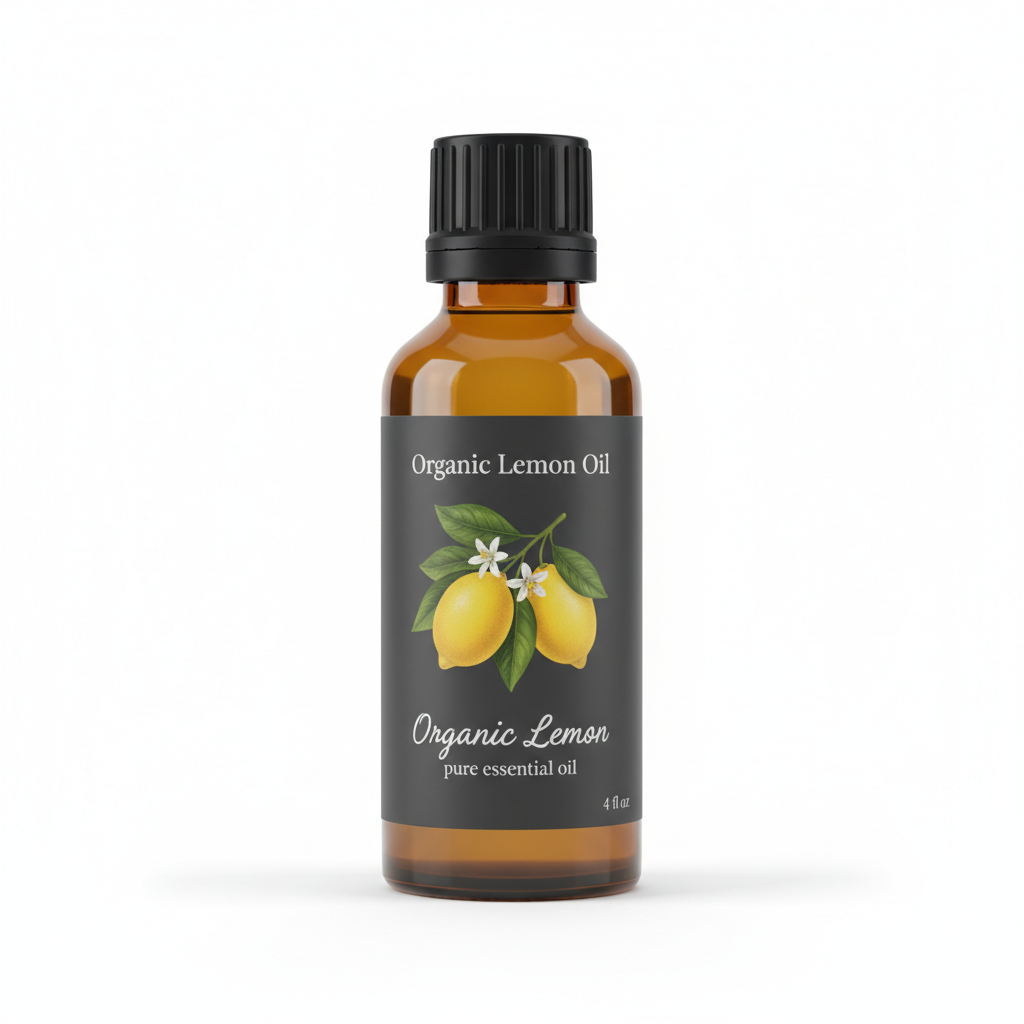
Organic Lemon Essential Oil
Our own Organic Lemon Essential Oil, in sizes from 0.5 oz to bulk.
From $15.99
Shop Now →This citrus blending guide walks you through everything: the fragrance families that harmonize with lemon, practical step-by-step blending instructions, materials you will need, and the most common mistakes to sidestep. Whether you are crafting a diffuser blend for a morning routine or building a custom room spray, this guide gives you a clear, reliable starting point.
Understanding Lemon Oil's Scent Profile Before You Blend
Cold-pressed organic lemon oil (sometimes called Organic Sunshine, Pressed) is extracted from the outer rind of Citrus limon fruit. Unlike steam-distilled citrus oils, the cold-pressed version retains more of the fresh, zesty top notes that make lemon so recognizable. The scent is bright and slightly tart, with a clean, almost effervescent quality. It evaporates quickly, which means it functions as a top note in perfumery language.
Top notes are the first impression of any blend. They hit immediately but fade within roughly 30 to 60 minutes on skin, or within the first phase of diffusion. To build a lemon oil blend that lasts and feels balanced, you need middle notes and base notes alongside it. Think of it like a three-part harmony. The lemon opens the song; the middle and base notes carry it forward.
The Fragrance Families That Pair Well with Lemon Oil
Not every oil plays nicely with lemon. The ones that do tend to fall into a few reliable fragrance families. Here is a breakdown of each family and why the pairing works.
Florals
Floral oils soften lemon's sharpness without dulling its brightness. Lavender is the classic companion. Its cool, slightly herbal sweetness rounds out the citrus edge and creates a blend that feels both uplifting and settled. Geranium (rose geranium in particular) adds a rosy, green depth that pairs beautifully. Ylang ylang works in small amounts, contributing a rich, almost creamy sweetness that contrasts well with lemon's tartness.
Herbaceous and Green
This is where lemon truly shines. Rosemary and lemon have been paired for centuries in both culinary and aromatic traditions. Together, they create a clean, invigorating atmosphere that works especially well in home and workspace diffuser blends. Basil, peppermint, and eucalyptus all belong to this family and each adds its own angle. Peppermint amplifies the fresh, cool quality of lemon. Eucalyptus adds a crisp, slightly woody note. Basil brings a more complex, anise-tinged green quality.
Woods and Resins
Lemon's brightness needs grounding in longer-lasting blends, and wood-family oils do exactly that. Cedarwood provides a dry, warm anchor. Sandalwood adds a creamy, smooth base that makes lemon blends feel more luxurious. Frankincense, technically a resin, contributes a deep, slightly smoky, balsamic quality that gives lemon blends unexpected staying power and complexity. These base notes are especially important in roller bottle and room spray applications.
Other Citrus Oils
Blending citrus with citrus is a genuine approach, not a shortcut. Lemon pairs well with bergamot, which has a floral-citrus character quite different from lemon's pure tartness. Sweet orange adds warmth and a rounded juiciness. Grapefruit echoes lemon's brightness while adding a slightly bitter, more complex citrus note. These all-citrus blends are lighter and feel especially well-suited to morning diffusion or uplifting room sprays.
Spice and Warm Notes
Used sparingly, spice oils create unexpected depth in lemon blends. Ginger adds a warm, slightly peppery note that pairs well with lemon in both aromatic and personal care applications. Cardamom brings a cool, slightly sweet spice quality. Clove bud is potent; a single drop can transform an entire blend, so it requires a careful hand.
Materials You Will Need
- Organic cold-pressed lemon essential oil
- 2 to 4 complementary essential oils of your choice (see pairings above)
- Amber or dark glass bottles (5 ml or 10 ml for testing blends)
- A dropper or pipette for precision
- A blending strip or scent strip (for testing before committing to a full bottle)
- A small notebook or label maker (for recording your formulas)
- A carrier oil if making a roller blend (fractionated coconut oil or jojoba oil work well)
- A diffuser if making an aromatic blend
- Distilled water and a fine-mist spray bottle if making a room spray
Step-by-Step: How to Build a Lemon Oil Blend
-
Start with your intention
Before you open a single bottle, decide what the blend is for. A diffuser blend for a morning routine calls for different proportions than a roller you will wear on your wrists in the afternoon. A room spray for a linen closet has different needs than a blend for a personal care product. Clarity here saves a lot of wasted oil later.
-
Choose your structure: top, middle, and base
Lemon is your top note. Pick at least one middle note (lavender, rosemary, geranium, or bergamot are reliable choices) and consider adding a base note (cedarwood, frankincense, or sandalwood) for diffuser or personal care blends that need to last. Simple two-oil blends (lemon plus one middle note) work fine for quick diffuser use; more complex applications benefit from all three layers.
-
Test on a scent strip before blending in a bottle
Add one drop of each intended oil to separate scent strips, hold them together, and sniff. This is the fastest way to preview whether the combination feels right. Adjust before you use actual bottle space. Scent strips are inexpensive and save significant amounts of oil over time.
-
Work in small ratios and record everything
A standard approach is to blend by drops in a small test bottle. Start with a 3:2:1 ratio (three drops top note, two drops middle note, one drop base note) and adjust from there. Write down every drop count. The single most common mistake in blending is making a beautiful formula and then being unable to recreate it because nothing was written down.
-
Let the blend rest before final evaluation
Seal your test bottle and let it sit for at least 30 minutes, ideally a few hours. Oils blend and evolve over time. What smells sharp immediately after mixing may round out beautifully after resting. This is especially true when resinous base notes like frankincense are involved.
-
Scale up only after you are satisfied with the small batch
Once your test ratio feels right, scale proportionally into a larger bottle. Keep your ratios consistent. If your test used 3 drops lemon, 2 drops lavender, and 1 drop cedarwood, scale to 9:6:3 or 12:8:4 for a larger volume. Precision matters more when you are working with a premium organic oil.
-
Dilute properly for any skin application
This step is non-negotiable. Cold-pressed citrus oils, including lemon, contain constituents called furanocoumarins that may increase skin sensitivity to sunlight (this is called photosensitivity). For any blend applied to skin, use a 1% dilution in carrier oil as a starting point (roughly 6 drops of essential oil per 1 ounce of carrier). Avoid applying to skin that will be exposed to direct sunlight within 12 to 18 hours. Always perform a patch test on a small area of skin before wider application, and consult a qualified healthcare provider if you have any concerns about skin sensitivity.
Five Ready-to-Use Lemon Oil Blend Recipes
These formulas are for diffuser use unless otherwise noted. Adjust drops based on your diffuser's water capacity and the manufacturer's guidelines.
| Blend Name | Oils and Drop Counts | Character |
|---|---|---|
| Morning Clarity | Lemon (3), Peppermint (2), Rosemary (1) | Crisp, clean, invigorating |
| Citrus Garden | Lemon (3), Bergamot (2), Lavender (2) | Bright, floral, uplifting |
| Woodland Lemon | Lemon (3), Cedarwood (2), Frankincense (1) | Grounded, warm, lasting |
| Citrus Grove | Lemon (2), Sweet Orange (2), Grapefruit (2) | Juicy, cheerful, all-citrus |
| Spiced Sunshine | Lemon (3), Ginger (1), Cardamom (1), Sandalwood (1) | Warm, complex, cozy |
Safety note: Always use essential oils in a well-ventilated space. Keep oils away from children and pets unless you have confirmed species-specific safety with a qualified professional. If you are pregnant, nursing, or managing any health condition, consult a healthcare provider before use.
Common Mistakes to Avoid
Using too much lemon
Lemon is powerful in the top-note position. More than 40 to 50% of a diffuser blend and it can become piercing rather than pleasant. Start conservative. You can always add more in the next batch.
Skipping the test strip step
Blending directly into a bottle without testing first leads to a lot of wasted oil. Scent strips are not optional if you are working with quality organic oils.
Pairing lemon with very earthy or musty oils without bridging notes
Lemon and patchouli, for example, can clash unless a bridging middle note (like bergamot or geranium) connects them. Earthy, dark oils need a transition when paired with bright citrus.
Forgetting that lemon fades fast
In a complex blend, lemon's contribution will be most noticeable in the first 20 to 30 minutes of diffusion. If you want more staying power, try incorporating bergamot or yuzu as supporting citrus notes since they tend to last a little longer than straight lemon.
Not labeling test bottles
It takes less than two minutes and saves enormous frustration. Write the formula and date on every single bottle you make.
Lemon Oil Blends in the Home: Going Beyond the Diffuser
Once you have a blend you love, there are many ways to put it to use around the house. Lemon oil blends work beautifully in DIY surface sprays, where the bright scent creates an atmosphere of cleanliness without overpowering a room. Our guide on how to use lemon oil at home covers surface and space applications in detail, with safety notes for each context.
Seasonal refresh projects are another natural fit. If you enjoy using essential oils as part of a larger home routine, our room-by-room spring refresh guide shows how lemon oil blends can set the aromatic tone throughout a whole house, from the entryway to the linen closet. And if laundry is part of your routine, you may find that a simple lemon-and-lavender combination adds a pleasant, clean scent element. See our piece on using lemon oil in the laundry room for practical, safe application ideas.
A Few Final Notes on Sourcing and Storage
The quality of your lemon oil matters more in blending than almost any other context. A poor-quality or adulterated oil introduces unexpected odor compounds that throw off the balance of an otherwise well-constructed blend. Look for certified organic, cold-pressed lemon oil with a clear country of origin and a batch-specific GC/MS (gas chromatography/mass spectrometry) test report. Reputable suppliers make these available on request or on their product pages.
Store your lemon oil and finished blends in dark glass bottles away from heat and direct light. Cold-pressed citrus oils are more prone to oxidation than steam-distilled oils, so smaller bottles used more frequently will serve you better than one large bottle that sits open for months. A properly stored lemon oil typically maintains its quality for one to two years from the pressing date.
Blending with lemon oil is a skill that develops quickly with practice. Start simple, build gradually, and trust your nose. A two-oil blend made with good materials often outperforms a complicated formula assembled without intention. Begin there, and the more complex pairings will follow naturally.