Lemon Oil in the Laundry Room: Fresher Loads Without Synthetic Fragrance
Conventional fabric softeners and dryer sheets do their job, but many of them rely on synthetic fragrance compounds that linger on skin and fabric long after the wash cycle ends. If you have been looking for a way to scent your laundry more naturally, organic cold-pressed lemon oil is one of the most satisfying options in the essential oil world. The scent is crisp, clean, and unmistakably bright. And because it comes from the outer rind of the fruit rather than a laboratory, that brightness actually smells like something real.
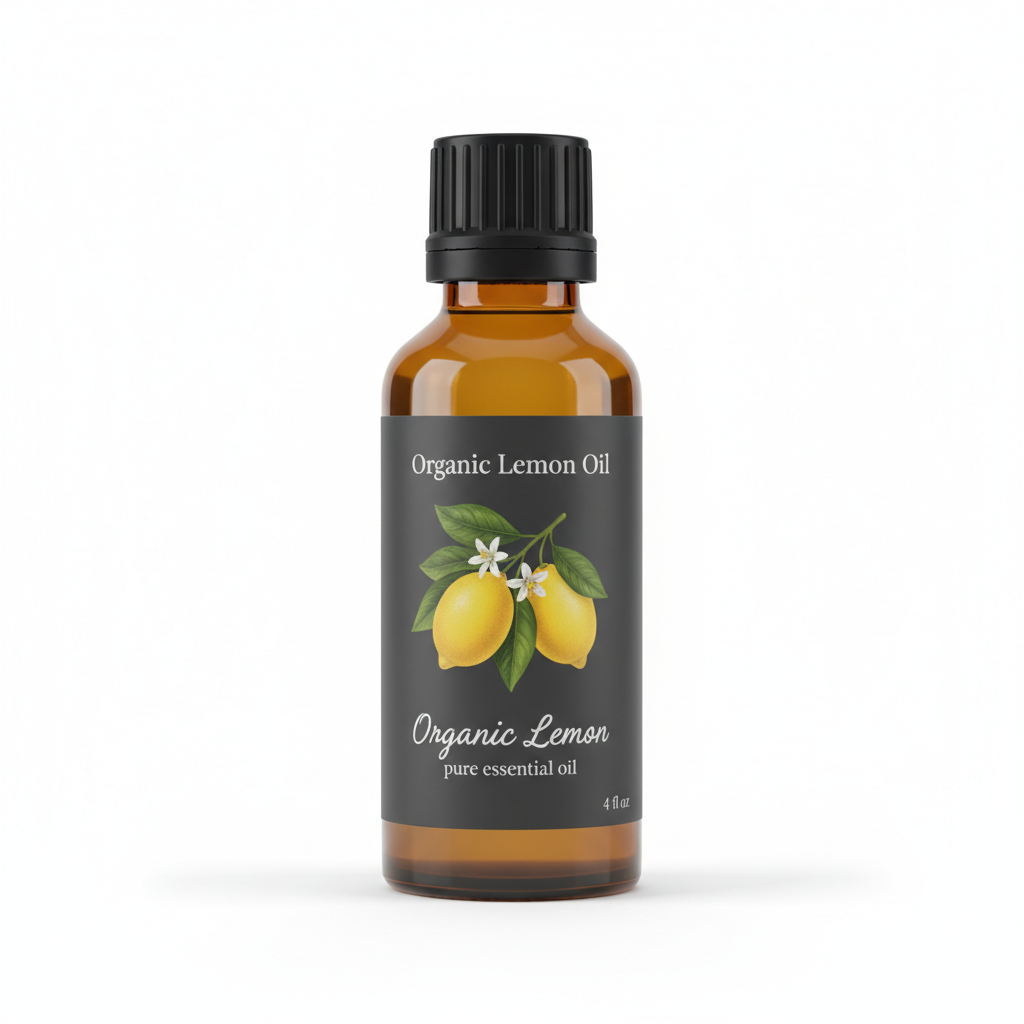
Organic Lemon Essential Oil
Our own Organic Lemon Essential Oil, in sizes from 0.5 oz to bulk.
From $15.99
Shop Now →This guide walks you through several practical methods for adding lemon oil laundry routines to your weekly wash, from the simplest single-drop trick to a full DIY fabric softener recipe. Every method is designed to work with your existing laundry setup, no special equipment required.
Why Lemon Oil Works Well in the Laundry Room
Cold-pressed organic lemon oil (sometimes called expressed or sunshine-pressed) is extracted by mechanically pressing the peel of Citrus limon fruit. Unlike steam-distilled citrus oils, cold-pressing preserves a higher concentration of the aromatic compounds that give lemon its characteristic sharpness. The primary component is limonene, a naturally occurring terpene responsible for that clean, zesty top note.
In the laundry context, lemon oil offers a few practical qualities worth knowing about. The volatile aromatic compounds evaporate relatively quickly once exposed to heat in the dryer, which means the scent is present but not overwhelming on finished laundry. Fabrics smell clean and lightly citrusy rather than perfumed. That subtlety is exactly what most people want when they are moving away from synthetic fragrance.
Lemon oil also blends naturally with other essential oils for laundry use, including lavender, eucalyptus, and tea tree. If you want to layer scents or create a signature linen fragrance, lemon provides an ideal bright base.
For a broader look at how lemon oil performs around the house, see our guide on how to use lemon oil at home.
What You Need Before You Start
Gather these materials before attempting any of the methods below. Having everything on hand prevents mid-recipe improvisation, which is where most DIY laundry projects go sideways.
Core Supplies
- Organic cold-pressed lemon essential oil (look for a Citrus limon label and a certified organic seal)
- Unscented liquid castile soap (for the DIY detergent booster recipe)
- White distilled vinegar (acts as a natural fabric softener base)
- Baking soda, optional (deodorizing booster for the wash cycle)
- Wool dryer balls, at least two but ideally four to six
- A small dark glass bottle with a dropper cap for blending and storage
- A measuring cup or kitchen scale
- Labels and a permanent marker
A Note on Oil Quality
The quality of your lemon oil matters more in laundry applications than you might expect. Lower-grade or adulterated oils often contain synthetic fragrance extenders that can leave residue on fabric over time. Choose a certified organic, cold-pressed oil from a supplier who provides third-party testing documentation. The investment is modest, and a single 10-milliliter bottle can last through dozens of laundry loads when used correctly.
Method One: The Wool Dryer Ball Method (Easiest Starting Point)
This is the lowest-effort entry point for natural laundry scent and the one most people continue using long-term because of how simple it is.
-
Add drops to your dryer balls before the cycle begins. Place your wool dryer balls on a clean surface. Add three to five drops of organic lemon oil to each ball. You do not need to saturate them. A light application is enough.
-
Let the oil absorb for two to three minutes. This brief wait allows the oil to sink slightly into the wool fibers rather than sitting on the surface where it could transfer unevenly to fabrics.
-
Toss the dryer balls in with your wet laundry and run the cycle as normal. The heat of the dryer gently disperses the aromatic compounds throughout the load as the balls tumble.
-
Remove laundry promptly when the cycle ends. Laundry left sitting in a closed dryer tends to pick up a slightly stale note. Removing it right away lets the lemon scent come through clearly.
Expected results: Fabrics may carry a light, clean citrus note that fades gradually over the first day or so after drying. The scent is subtle rather than perfume-level intense. People who have switched from commercial dryer sheets often report that they prefer this softer finish once they adjust to it.
Common mistake: Using too many drops at once. More is not better here. Excess oil on wool dryer balls can transfer oily spots to fabrics, particularly lighter-colored items. Start with three drops per ball and adjust from there.
Method Two: Lemon Oil Rinse Cycle Addition
Adding lemon oil directly to the fabric softener compartment of your washing machine is another reliable approach, particularly for items you want to smell consistently fresh, like towels and bed linens.
-
Combine half a cup of white distilled vinegar with eight to ten drops of organic lemon oil in a small jar. Shake well before each use, as the oil and vinegar will separate when left to stand.
-
Pour the entire mixture into the fabric softener compartment at the start of the wash cycle. Most machines dispense this compartment automatically during the rinse phase, which is the ideal moment for fragrance addition.
-
Run the cycle as usual on your preferred temperature setting. Note that hot water will cause the aromatic compounds to volatilize more quickly, so you may notice a stronger initial scent from hot washes that fades faster than with cooler cycles.
-
Transfer laundry to the dryer or hang to dry. If line-drying, expect the lemon note to be more pronounced initially and then mellow as the fabric dries in open air.
Safety note: Avoid using this method on delicate fabrics such as silk or fine wool without first doing a small spot check. Vinegar is mild, but it can affect certain dyes or finishes with repeated use.
Method Three: DIY Lemon Detergent Booster
This recipe gives you a scented wash cycle from the very beginning rather than waiting until the rinse phase. It works well for heavily soiled loads, gym wear, and anything with a persistent musty note.
Ingredients
- One cup baking soda
- Twenty drops organic cold-pressed lemon oil
- Ten drops lavender essential oil (optional, for a softer scent blend)
Steps
-
Combine the baking soda and essential oils in a glass bowl. Use a fork or small whisk to break up any clumps and distribute the oils evenly through the powder. The baking soda acts as a carrier, holding the aromatic compounds and releasing them gradually during the wash.
-
Transfer to a sealed glass jar and label it clearly. Store away from direct sunlight and heat. Properly stored, this booster should stay fragrant for four to six weeks.
-
Add two to three tablespoons of the booster directly to the drum before loading laundry. Do not put it in the detergent drawer, as the powder can clump in the compartment and interfere with dispenser function.
-
Add your regular laundry detergent as normal and run the cycle. The booster works alongside your existing detergent rather than replacing it.
Tips: This recipe is particularly effective for towels and cotton items that tend to hold onto odors. For a fresh seasonal variation, swap the lavender for five drops of peppermint oil alongside the lemon during warmer months.
Blending Lemon Oil with Other Scents
Lemon oil pairs beautifully with several other essential oils in laundry applications. Here are a few combinations worth exploring.
| Blend | Ratio (drops) | Scent Character | Best Use |
|---|---|---|---|
| Lemon + Lavender | 3:2 | Bright and floral | Bed linens and pillowcases |
| Lemon + Eucalyptus | 2:1 | Clean and slightly minty | Gym wear and towels |
| Lemon + Rosemary | 2:1 | Herbaceous and crisp | Kitchen cloths and napkins |
| Lemon + Bergamot | 1:1 | Citrusy with a soft floral edge | Baby clothes (patch test first) |
When blending, always mix in a dark glass bottle before applying to dryer balls or combining with a carrier like vinegar or baking soda. Pre-blending distributes the aromatic compounds more evenly than dropping multiple oils separately onto fabric.
Common Mistakes to Avoid
Even experienced DIY laundry enthusiasts run into the same problems when starting with essential oils. Here is where things most often go wrong.
- Applying undiluted oil directly to fabric. Lemon oil is a concentrated extract and can leave visible oily marks on fabric, especially synthetics and lighter-colored materials. Always use a carrier (dryer ball, vinegar, baking soda) rather than adding drops directly to clothes.
- Using plastic containers for storage. Citrus oils can degrade certain plastics over time. Store any lemon oil blend in dark glass jars or bottles.
- Expecting a strong, long-lasting perfume effect. Essential oil scents in laundry are designed to be light and natural. If you want something more intense, increase the number of dryer balls rather than the number of oil drops.
- Skipping the shake. Oil and water-based ingredients always separate. Shake your rinse-cycle mixture well immediately before adding it to the machine.
- Forgetting photosensitivity with cold-pressed citrus oils. This note is less relevant for laundry than for skin applications, but it is worth knowing: cold-pressed lemon oil contains compounds called furanocoumarins. These are largely removed during the wash cycle, but if you are also using lemon oil in a topical product, consult our guidance on safe skin dilution separately.
A patch test is always a good habit when introducing any new product to your laundry routine, especially for items worn close to the skin or used for young children. Wash one small item first, wear it for a few hours, and check for any reaction before moving to full loads.
Storing Your Lemon Oil Laundry Supplies
Organic cold-pressed lemon oil has a shorter shelf life than most essential oils, typically around one to two years from pressing when stored correctly. Exposure to heat, light, and oxygen accelerates oxidation, which dulls the scent and can cause skin sensitivity in topical applications.
Keep your lemon oil bottle sealed tightly between uses. Store it in a cool, dark cupboard rather than on a sunny laundry room shelf. Pre-made baking soda boosters should also be stored in sealed glass, away from moisture. A clearly labeled jar with the blend date written on it helps you track freshness without guessing.
Beyond the Laundry Room
Once you have lemon oil as a regular part of your laundry routine, it is natural to want to expand its use into other areas of the home. The same bottle that freshens your towels can also support wood surface care. See our article on using lemon oil for wood feeding and polishing for more ideas. And if you want to take your natural cleaning further, our guide to cleaning counters, glass, and sticky residue with lemon oil covers the practical details.
One bottle. Quite a few honest uses around the house.
Quick-Reference Summary
- Add three to five drops to wool dryer balls for a simple, low-commitment scent boost.
- Mix lemon oil with white vinegar for a rinse-cycle softener alternative.
- Blend with baking soda for a scented detergent booster added directly to the drum.
- Always use a carrier. Never apply undiluted oil to fabric.
- Store blends in sealed dark glass, away from heat and light.
- Patch test new routines on a single item before committing to full loads.
Natural laundry scent does not need to mean complicated. With a bottle of organic cold-pressed lemon oil and a few wool dryer balls, you can make a meaningful shift away from synthetic fragrance without overhauling your entire laundry routine. Start small, find the method that fits your habits, and adjust the intensity to your preference. The results tend to speak for themselves once that first load of lemon-scented towels comes out of the dryer.