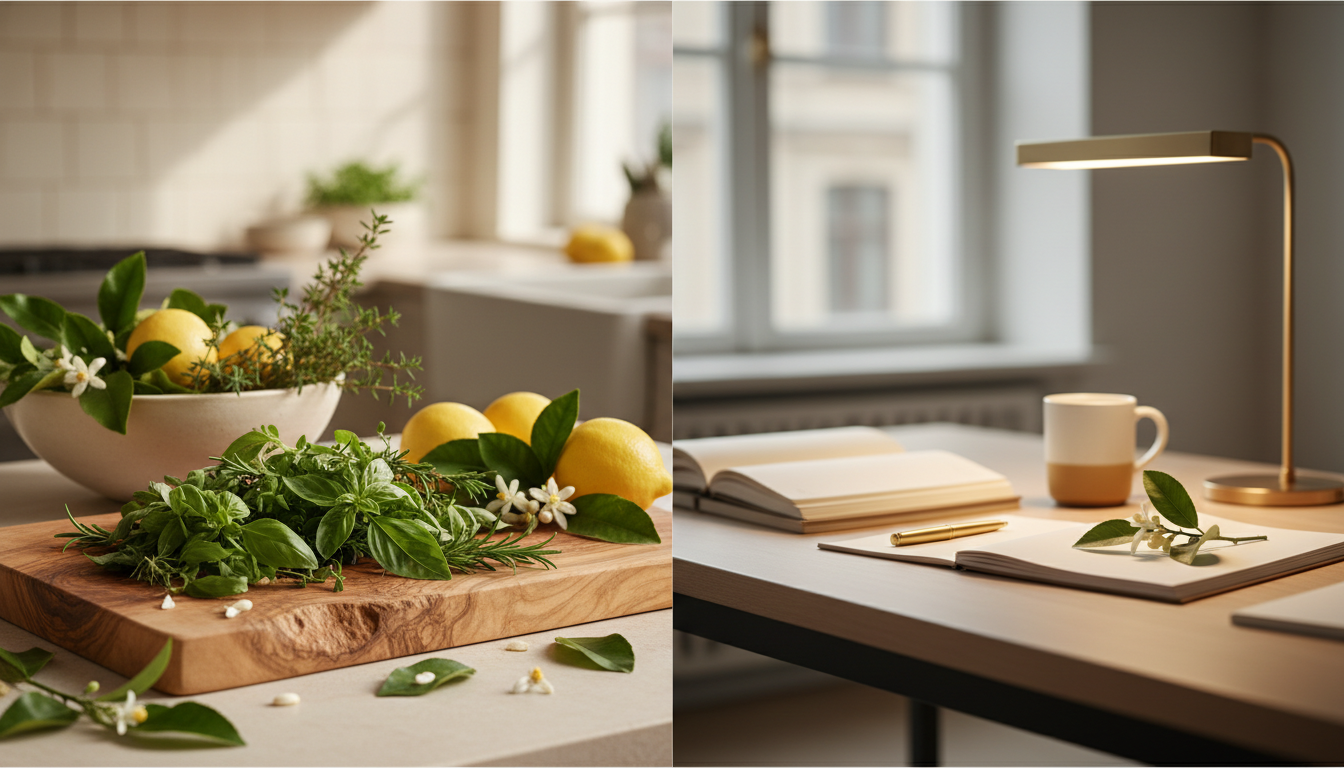
DIY Lemon Infused Olive Oil for the Kitchen vs Lemon Essential Oil: Know the Difference
Walk into any well-stocked kitchen and you might spot a pretty bottle of golden oil flecked with lemon zest. Walk into a natural products shop and you'll find a tiny amber vial labeled "lemon essential oil." Both smell like sunshine. Both claim lemon on the label. But they are fundamentally different products, made differently, used differently, and absolutely not interchangeable.
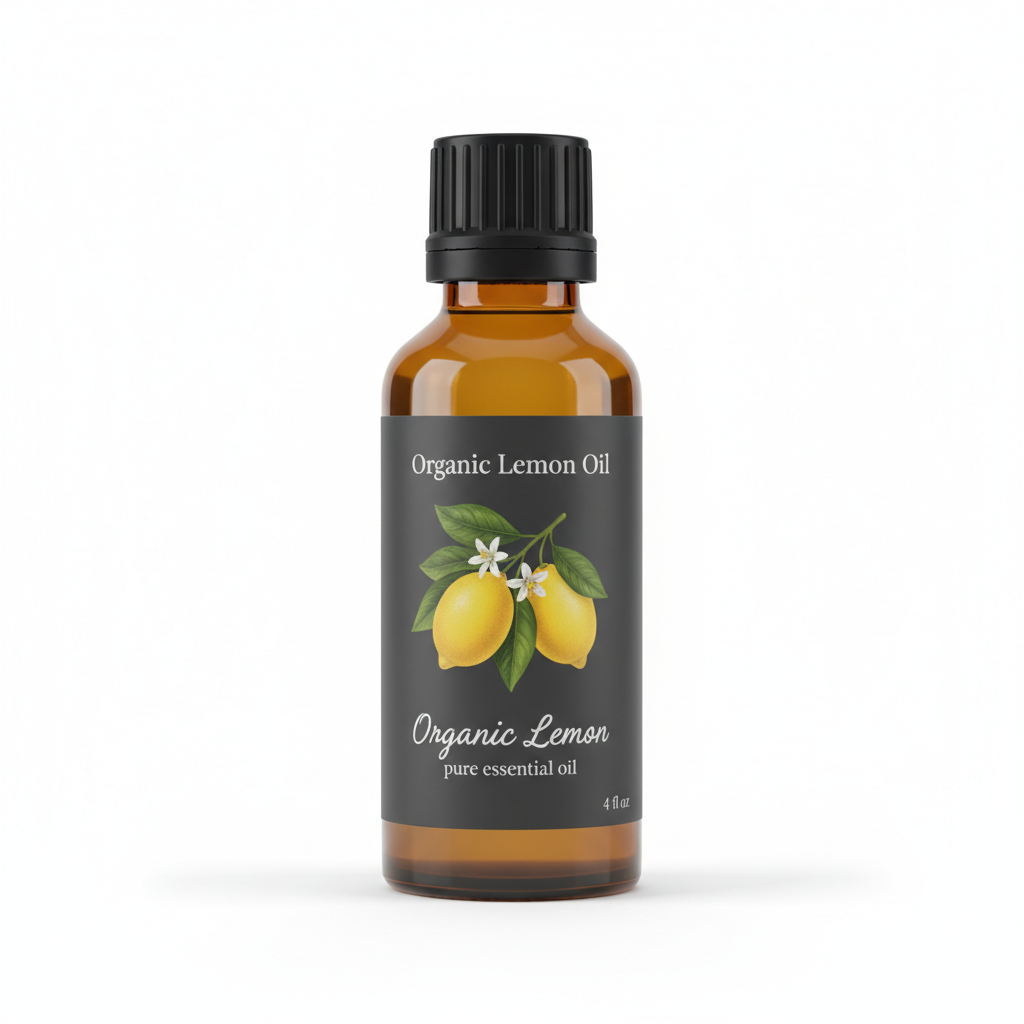
Organic Lemon Essential Oil
Our own Organic Lemon Essential Oil, in sizes from 0.5 oz to bulk.
From $15.99
Shop Now →This guide will walk you through exactly how to make lemon infused olive oil at home for culinary use, while also drawing a clear, practical line between that kitchen staple and cold-pressed lemon essential oil. Understanding the difference protects your cooking, your skin, and your expectations.
First: What Is Lemon Infused Olive Oil?
Lemon infused olive oil is exactly what it sounds like. It is olive oil that has absorbed the flavor and aroma of lemon, typically through contact with fresh or dried lemon zest over a period of time. The result is a culinary oil: fragrant, bright, and built for the kitchen. You drizzle it on fish, whisk it into dressings, finish pasta with it, or brush it onto flatbread before baking.
It is a food product. It belongs in your pantry, not your diffuser or your roller bottle.
What Is Lemon Essential Oil (Cold-Pressed)?
Organic cold-pressed lemon essential oil is produced by mechanically pressing the outer rind of fresh lemons. No heat is involved. The process extracts the volatile aromatic compounds concentrated in the peel, primarily limonene, along with citral, linalool, and other naturally occurring constituents. The result is a highly concentrated aromatic oil.
It is not a food product in the way your kitchen lemon olive oil is. It is valued for its bright, intensely citrusy scent and is used in cosmetic formulations, candle making, diffuser blends, and carefully diluted skin-care applications. A single drop contains the aromatic concentration of many lemon peels.
Organic cold-pressed lemon essential oil should never be used undiluted on skin, and it should never simply be swapped into a recipe that calls for lemon infused olive oil. The concentration difference is significant.
The Core Differences at a Glance
| Feature | Lemon Infused Olive Oil | Lemon Essential Oil (Cold-Pressed) |
|---|---|---|
| How it's made | Zest steeped in carrier oil | Mechanical cold-pressing of lemon peel |
| Concentration | Low, culinary grade | Very high, aromatic concentrate |
| Primary use | Cooking and finishing dishes | Aromatics, cosmetics, diffusing, diluted topical use |
| Shelf life | 2 to 4 weeks (fresh zest) or up to 3 months (dried) | 1 to 2 years when stored correctly |
| Skin safety | Not formulated for skin use | Requires proper dilution; phototoxic considerations apply |
| Interchangeable? | No. Never swap one for the other. | |
How to Make Lemon Infused Olive Oil: The Full DIY Recipe
This is a gentle, stovetop-assisted cold infusion suitable for home cooks. It produces a fragrant, versatile lemon olive oil that you can use across a wide range of dishes. The method below prioritizes both flavor and safety, because improperly made infused oils can carry food safety risks if fresh botanicals are stored in oil at room temperature without care.
Difficulty level: Beginner-friendly
Active prep time: 20 minutes
Infusion time: 30 minutes (stovetop method) or 2 to 3 days (cold method)
Yield: Approximately 1 cup (8 fluid ounces)
Ingredients
- 1 cup (240 ml) high-quality extra virgin olive oil
- Zest of 3 large organic lemons (approximately 3 tablespoons of zest), or 2 tablespoons of dried lemon peel
- Optional: 1 small sprig of fresh rosemary or thyme for a savory variation
- Optional: 1/4 teaspoon of fine sea salt if using as an immediate finishing oil
A note on lemons: organic lemons matter here. You are using the peel directly in oil you will consume. Conventionally grown lemon rinds may carry pesticide residue that concentrates during infusion. Choose organic whenever possible.
Equipment
- A microplane or fine grater
- A small saucepan
- A fine mesh strainer or cheesecloth
- A clean, sterilized glass bottle or jar with a tight-fitting lid (12-ounce capacity works well)
- A funnel (optional but helpful)
- A kitchen thermometer
Step-by-Step Instructions
- Sterilize your bottle. Wash your glass jar or bottle thoroughly with hot soapy water, rinse well, and allow it to air-dry completely. Moisture is the enemy of infused oils.
- Zest your lemons. Using a microplane, zest only the bright yellow outer layer of the lemon skin. Stop before you reach the white pith beneath, which carries a noticeable bitterness. Collect approximately 3 tablespoons of fresh zest.
- Combine oil and zest. Pour the olive oil into your small saucepan and add the lemon zest. If using a fresh herb sprig, add it now.
- Warm gently. Heat the mixture over the lowest possible flame. Use your kitchen thermometer to keep the oil between 150°F and 180°F (65°C to 82°C). You want a gentle warmth, not a simmer. Tiny bubbles around the zest are fine. A rolling boil means your heat is too high. Hold this temperature for 20 to 25 minutes.
- Remove from heat and cool. Take the saucepan off the burner. Allow the oil to cool to room temperature. The zest will continue releasing its oils as the mixture cools. This takes about 30 minutes.
- Strain thoroughly. Pour the cooled oil through a fine mesh strainer or cheesecloth into your clean glass bottle. Press the zest gently to release any remaining oil, then discard all solid plant material. Do not leave zest or herb pieces in the finished oil. Solid botanicals in room-temperature oil create a food safety risk.
- Seal and label. Cap your bottle tightly. Label it with the contents and the date it was made. Store in the refrigerator immediately.
Stovetop vs. Cold Infusion Method
The stovetop method above is faster and also reduces certain food safety concerns associated with leaving fresh botanicals at room temperature. If you prefer a slower approach, you can combine the olive oil and dried lemon peel (not fresh zest) in a sealed jar and leave it in a cool, dark spot for 2 to 3 days, shaking gently once a day. Strain completely before using. The cold method works best with dried peel specifically because fresh plant material adds moisture, which raises spoilage risk.
Storage Instructions and Shelf Life
Lemon infused olive oil made with fresh zest should be kept in the refrigerator and used within 2 to 3 weeks. If you used dried lemon peel and strained it fully, the oil may keep for up to 2 to 3 months refrigerated. Either way, always do a quick smell check before using. Olive oil that has gone rancid will smell noticeably stale, flat, or crayon-like.
Never store homemade infused oils at room temperature for more than a day or two. This is a food safety guideline, not a preference. Garlic and fresh herbs present higher risks than citrus zest, but proper refrigeration is the right practice for all homemade infused oils.
Keep your lemon olive oil in a dark glass bottle if possible. Light degrades the quality of olive oil over time, dulling its freshness and flavor.
Variations and Substitutions
Different Carrier Oils
Extra virgin olive oil is classic, but it is not your only option. A lighter-flavored oil like avocado oil or a mild grapeseed oil will let the lemon take center stage if you find olive oil's natural bitterness competes with the citrus. These work especially well for applications like drizzling over delicate fish or fresh mozzarella.
Herb Combinations
Lemon and rosemary is a natural pairing for roasted vegetables and grilled meats. Lemon and thyme suits poultry and grain dishes beautifully. For a more aromatic, slightly floral note, a single strip of dried lemon verbena leaf added during the warm infusion can add interesting depth. Our Lemon Basil signature blend explores how lemon and basil complement each other in an entirely different aromatic context.
Meyer Lemon Variation
Meyer lemons have a softer, slightly sweeter peel that produces a more rounded, less sharp lemon note in infused oils. If you find standard lemon olive oil too bright or tart-smelling, Meyer lemons are worth trying. Use the same quantity of zest.
Citrus Blend
Combine lemon zest with the zest of half an orange or a small tangerine. The resulting lemon olive oil is warmer and slightly sweeter, wonderful for baking applications or as a finishing drizzle over fruit-based salads.
Where Lemon Essential Oil Fits (And Where It Doesn't)
Some recipes circulating online suggest adding a drop of lemon essential oil directly to olive oil as a shortcut for lemon olive oil. This is not a sound approach for culinary use, and it misunderstands what essential oil actually is. Cold-pressed lemon essential oil is an aromatic concentrate. Its role is in your diffuser, your cosmetic formulations, your cleaning blends, and your carefully diluted skin-care rituals.
For those aromatic and home applications, lemon essential oil is genuinely remarkable. If you're curious about the many ways it can be woven into your home life, our guide on how to use lemon oil at home covers the practical range well. And if you enjoy lemon as a morning ritual ingredient, the DIY lemon sugar scrub and shower melts guide shows how it can brighten a morning routine in an entirely different way.
Safety Notes for Lemon Essential Oil in Cosmetic and Aromatic Use
Because this article covers both products, it is worth being clear about the specific considerations around cold-pressed lemon essential oil when used outside the kitchen.
- Always dilute before skin contact. A commonly referenced starting dilution for cosmetic use is 1 to 2 percent essential oil in a carrier oil. For adults, that means roughly 6 to 12 drops of essential oil per 1 fluid ounce (30 ml) of carrier oil. When in doubt, start lower. Some individuals are more sensitive than others.
- Patch test before full use. Apply a small amount of your diluted blend to the inside of the wrist or elbow and wait 24 hours. If you notice any redness, itching, or irritation, discontinue use and consult a qualified professional.
- Cold-pressed citrus oils and sunlight. Cold-pressed lemon essential oil contains naturally occurring compounds called furanocoumarins, which can cause phototoxic reactions when applied to skin that is then exposed to sunlight or UV light. Avoid applying cold-pressed lemon oil to skin that will be sun-exposed within 12 to 18 hours. Steam-distilled versions have lower phototoxic potential, but cold-pressed versions require this caution.
- Not for children without professional guidance. Essential oil dilution guidelines differ significantly for children, older adults, and individuals who are pregnant or nursing. Always consult a qualified healthcare provider before using essential oils in these situations.
- Keep away from eyes and mucous membranes. Essential oils should never be applied directly to these areas.
- Pets and essential oils. Many animals, particularly cats, are sensitive to essential oils in ways humans are not. Diffusing in enclosed spaces with pets present warrants caution and veterinary advice.
A Quick Summary: Two Oils, Two Very Different Purposes
Lemon infused olive oil belongs in your kitchen. It is food. It is made with patience, good olive oil, and fresh organic citrus. It is wonderful on grilled vegetables, pasta, salads, and anywhere you want a gentle hit of lemon flavor without squeezing a fruit.
Organic cold-pressed lemon essential oil belongs in your aromatic and cosmetic life. It is concentrated, intentional, and requires respect for its potency. Used correctly and with appropriate dilution, it brings genuine brightness to everything from a diffuser blend on a slow morning to a skin-care formulation designed for a nightly wind-down ritual.
Knowing which one you're reaching for, and why, makes both of them more useful. That clarity is really the whole point of understanding your ingredients before you start.