How to Store Lemon Oil: Shelf Life, Oxidation, and Keeping Citrus Fresh
Organic cold-pressed lemon oil is one of those pantry staples that rewards careful handling. Buy a beautiful bottle, store it carelessly, and within a few months the bright, zesty scent you fell in love with can turn flat and slightly off. Store it well, and that same bottle stays vibrant for a year or longer. The difference comes down to three enemies: light, heat, and air. Once you understand how those three forces work against citrus oil, the storage steps practically write themselves.
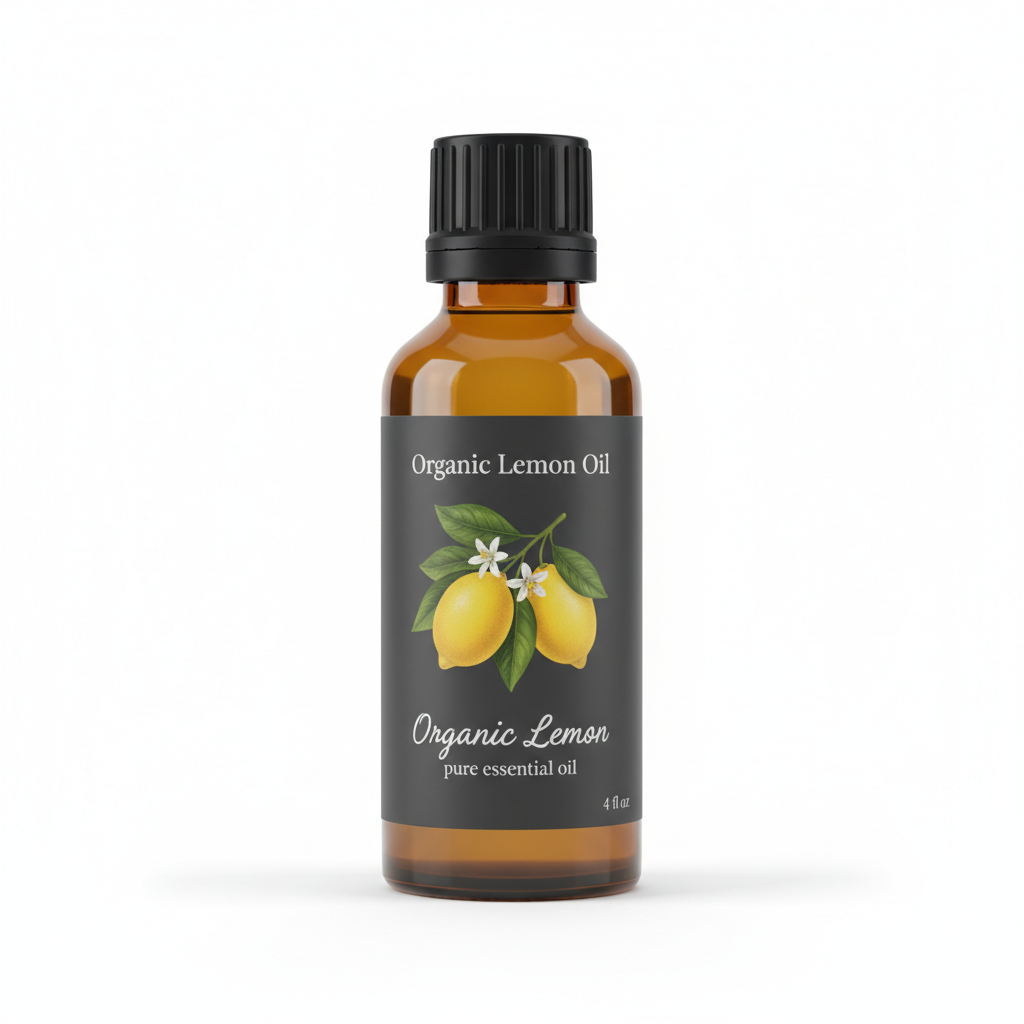
Organic Lemon Essential Oil
Our own Organic Lemon Essential Oil, in sizes from 0.5 oz to bulk.
From $15.99
Shop Now →This guide walks you through exactly what you need, what to do, and what to watch for so your investment in quality oil pays off from the first drop to the last.
Why Storage Matters More for Citrus Oils
Not all essential oils age the same way. Heavier oils like sandalwood or frankincense are relatively forgiving. Citrus oils, including cold-pressed lemon, are among the most vulnerable to degradation. If you want to understand why at a chemistry level, our deep-dive into limonene and the chemistry of a sunny scent covers the molecular reasons in full. The short version: cold-pressed lemon oil is rich in limonene and other light, reactive compounds that oxidize quickly when exposed to oxygen, ultraviolet light, or warmth.
Citrus oil oxidation is not just a scent problem. Oxidized citrus oil can also become more irritating to skin, which is a practical reason to keep your bottle in good condition regardless of how you plan to use it. Fresh oil performs better in blends, in diffusers, and in cosmetic formulations.
What You Will Need
- Your bottle of organic cold-pressed lemon oil (amber or cobalt glass preferred)
- A cool, dark storage location (a cupboard, drawer, or dedicated essential oil box)
- Airtight replacement caps or reducer inserts, if your bottle did not come with one
- A marker or label for dating the bottle
- Small amber glass bottles (for splitting a large bottle into smaller portions)
- Optional: a cool, dedicated mini-fridge for long-term storage in warm climates
None of these materials are expensive, and most of what you need is probably already in your home. The amber glass bottles are the one item worth purchasing if you buy lemon oil in larger quantities.
Lemon Oil Shelf Life: What to Expect
A properly sealed, well-stored bottle of organic cold-pressed lemon oil generally has a usable shelf life of one to two years from the date of pressing or bottling. Some producers print a "best by" date; others list a pressing date. Either way, note it on your bottle the moment you open it.
Once you break the seal and begin using the oil, oxidation accelerates slightly with each opening. A bottle you open daily will age faster than one you open weekly. This is not a reason to avoid using the oil freely, but it is a reason to buy in a size you will realistically finish within a year.
A practical benchmark: If your lemon oil smells sharp, bright, and genuinely citrusy, it is in good condition. If it smells dull, slightly sour, or has a faint turpentine-like quality, oxidation has progressed significantly and the oil is past its prime for cosmetic or aromatic use.
Step-by-Step: How to Store Lemon Oil Correctly
Step 1: Date Your Bottle the Moment You Open It
This sounds almost too simple, but it is the step most people skip. Use a marker to write the date you first opened the bottle directly on the label or cap. You will thank yourself in six months when you cannot remember whether that bottle is eight months old or eighteen. If the producer has printed a batch or pressing date, note that too.
Step 2: Choose the Right Container
Glass is non-negotiable for long-term storage. Citrus oil can degrade certain plastics over time, and plastic is permeable enough to allow trace oxygen exchange. Amber or cobalt glass blocks the wavelengths of light most responsible for photodegradation. If your oil came in a clear glass bottle, transfer it to an amber bottle as soon as you get home. Clear glass offers essentially no UV protection.
For a full introduction to what makes quality bottling and sourcing matter for organic lemon oil, see our complete guide to cold-pressed organic lemon oil.
Step 3: Minimize Headspace in the Bottle
Oxygen sits in the empty space above the oil inside the bottle. The more headspace there is, the more oxygen is in contact with your oil between uses. When a bottle is more than half empty, consider transferring the remaining oil into a smaller amber bottle that it fills nearly to the top. This one step can meaningfully slow citrus oil oxidation in the final weeks of a bottle's life.
Step 4: Seal Every Time, Immediately
Cap the bottle immediately after each use. Do not leave it open on your counter while you blend or measure. Even a few minutes of air exposure adds up over dozens of uses. If your bottle uses an orifice reducer (the small insert that controls the drop size), make sure it seats properly before replacing the cap.
Step 5: Store Away from Light
A windowsill is one of the worst places to keep any essential oil, including lemon oil. Natural light, even indirect light through a window, accelerates photodegradation. Store your bottle inside a closed cupboard, a drawer, or a dedicated essential oil storage box. The inside of a bathroom cabinet works if the room does not get steamy (more on that below).
Step 6: Control the Temperature
Cool and stable is the goal. Room temperature (roughly 60 to 75 degrees Fahrenheit) is acceptable for most climates. Avoid storing lemon oil near a stove, on top of the refrigerator, near a radiator, or in a car. Heat spikes, even brief ones, accelerate oxidation significantly.
If you live somewhere that gets very warm in summer, refrigeration is a genuinely good option. Store the bottle in a small, sealed bag inside the refrigerator to protect it from moisture and food odors. Let the bottle come to room temperature before opening it each time; condensation inside a cold bottle can introduce water, which is not ideal.
Step 7: Avoid Humidity
Bathrooms are convenient but often humid. Steam and moisture can work their way under caps and around reducers. If you store oils in a bathroom, keep them in a closed cabinet rather than on an open shelf, and consider a small silica gel packet inside the cabinet to absorb ambient moisture.
Step 8: Keep Lids and Droppers Clean and Dry
Wipe the cap and the neck of the bottle with a clean, dry cloth after each use. Residue on the cap can harden, make the bottle harder to open, and eventually allow air in around a compromised seal. A clean, dry cap also prevents cross-contamination if you handle multiple oils in a session.
Common Mistakes to Avoid
Buying More Than You Can Use
Larger bottles often seem like better value, but a 4-ounce bottle of lemon oil is not a bargain if you use half an ounce per month. You will be fighting oxidation for three years. Buy a size that fits your actual usage. If you do buy in bulk, split the oil immediately into several small, full amber bottles. Use one at a time and keep the rest sealed.
Storing Near the Stove or in a Spice Cabinet
The spice cabinet next to the stove is a classic essential oil graveyard. The repeated heat from cooking shortens lemon oil shelf life considerably. Find a different cupboard, even if it is slightly less convenient.
Leaving the Bottle Open During Long DIY Sessions
It is easy to get absorbed in a blending project and leave several bottles open on the counter for twenty minutes. Cap each bottle as you finish with it, not at the end of the session.
Ignoring Early Signs of Oxidation
A slightly off-smelling oil does not need to be immediately discarded for aromatic purposes (some people still use oxidized citrus oil in household cleaning blends where skin contact is not a factor). However, oxidized oil should not be used in skin care formulations or applied to the body. If the scent has shifted noticeably from bright and sharp to dull and sour, set that bottle aside for non-skin uses only and open a fresh one for personal care blending.
Skipping the Date Label
Revisiting Step 1: the date label really does matter. Essential oil collections grow, bottles look similar, and memory is unreliable. One small label saves a lot of guessing later.
Signs Your Lemon Oil Is Still Fresh
- The scent is bright, clean, and unmistakably citrusy with a sharp, zesty top note
- The color is pale yellow to nearly clear, consistent with what it looked like when new
- The oil feels thin and light, not thick or sticky
- No sediment or cloudiness has developed (some cloudiness from cold temperatures is normal and clears at room temperature)
Putting Fresh Oil to Good Use
Good storage habits keep your lemon oil ready for the many ways people use it around the home and in personal care routines. If you are looking for inspiration, our roundup of 25 bright ideas for a fresher home covers everything from diffuser blends to surface freshening sprays.
The point of careful storage is simple: you chose organic, cold-pressed lemon oil because quality matters to you. A few small habits protect that quality from the moment you open the bottle to the last drop. Cool temperatures, dark conditions, airtight seals, and right-sized bottles will keep your citrus oil performing at its best for as long as possible.
Start with the date label today. Everything else follows from there.