
Where to Buy Organic Lemon Essential Oil: Smart Shopping Online and Locally
Finding quality organic lemon essential oil is genuinely easier than it used to be, but that accessibility cuts both ways. More supply means more variety, and it also means more room for substandard products to slip through. Whether you're searching for lemon oil near me on your phone or browsing online at midnight, this guide will help you shop with confidence and come home with something worth using.
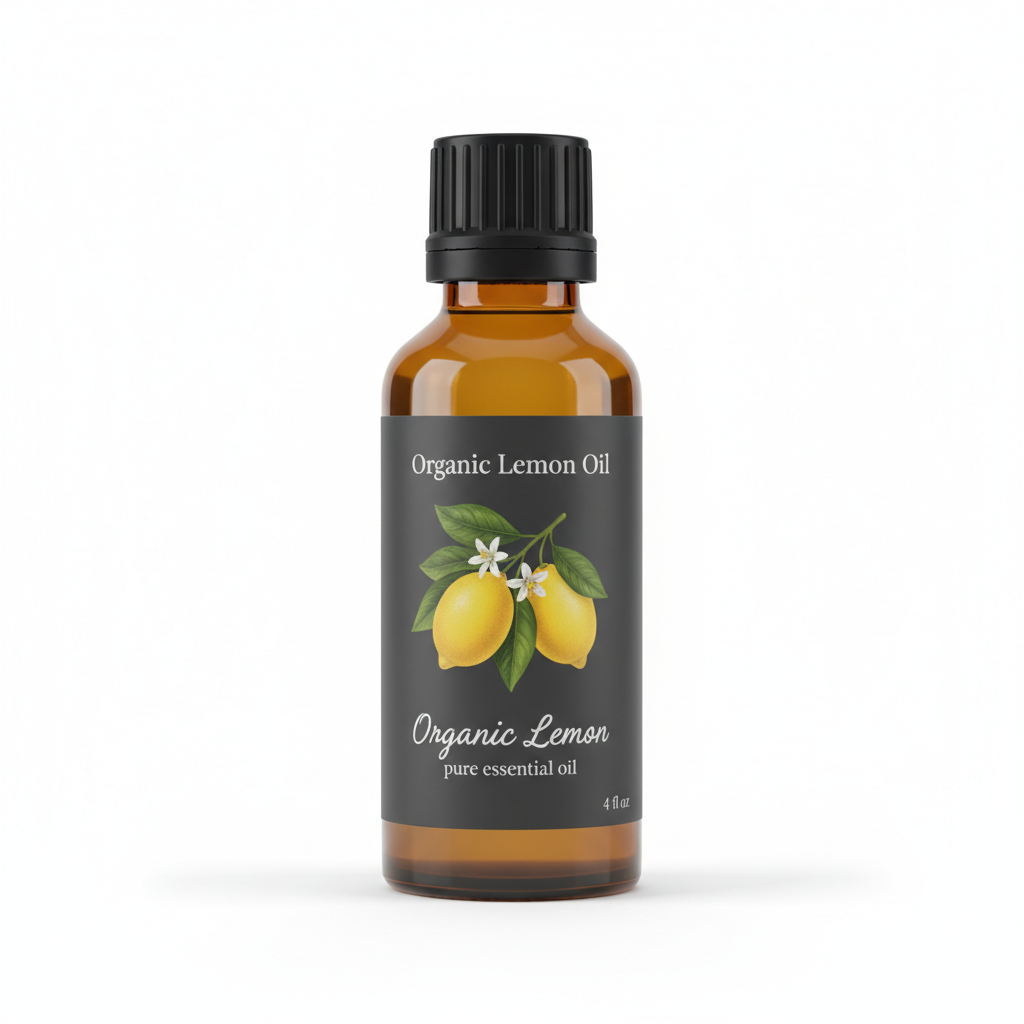
Organic Lemon Essential Oil
Our own Organic Lemon Essential Oil, in sizes from 0.5 oz to bulk.
From $15.99
Shop Now →What You're Actually Buying (and Why It Matters)
Organic Sunshine Pressed lemon oil, also called cold-pressed lemon oil, is expressed directly from the outer rind of Citrus limon fruit. It is not steam-distilled. That distinction is worth understanding before you buy lemon oil anywhere, because the pressing method preserves the bright, true-to-fruit aromatic profile that makes lemon oil so appealing in cosmetic formulations and home fragrance.
Distilled lemon oil exists and has its uses, but pressed lemon oil tends to carry more complexity: a fuller citrus note with subtle floral undertones rather than a sharp, one-dimensional scent. If a label doesn't specify the extraction method, that's worth noting.
For a thorough breakdown of extraction, certification, and sourcing standards, the ultimate guide to buying organic lemon oil covers the full picture.
Quality Indicators: What to Look For
Certification
An organic certification from a recognized body (USDA Organic, Ecocert, or an equivalent national authority) is the single clearest quality signal available to shoppers. It tells you the fruit was grown without synthetic pesticides and that the supply chain has been audited. Look for the certification logo on the label and verify it if you're uncertain. Sellers who claim organic without any certification body named are making an unverifiable statement.
Botanical Name on the Label
The label should read Citrus limon. Full stop. If it says only "lemon oil" or "citrus oil" without a botanical name, the sourcing is murky. This is basic transparency, and reputable producers include it without hesitation.
Country of Origin
Premium cold-pressed lemon oil is most commonly sourced from Italy (particularly Sicily and Calabria), Argentina, and the United States. Each origin produces a slightly different aromatic character. Italian-origin oils are widely regarded for their brightness and depth. Knowing the origin also helps you assess whether the price makes sense for what you're getting.
GC/MS Testing
Gas chromatography/mass spectrometry testing breaks down an oil's chemical composition and confirms authenticity. Reputable brands make these reports available, either on their website or by request. If a company has never heard of GC/MS testing when you ask, that tells you something.
Packaging
Pressed lemon oil degrades with light and heat. It should come in a dark amber or cobalt glass bottle with a tight-fitting cap or orifice reducer. Clear glass bottles are a red flag. Plastic is acceptable for very large bulk quantities but not for retail sizes.
Key Features to Compare Side by Side
| Feature | What to Look For | Red Flag |
|---|---|---|
| Extraction Method | Cold-pressed (expressed) | Unlisted or vague method |
| Certification | Named certifying body (USDA, Ecocert) | "Natural" without certification |
| Botanical Name | Citrus limon | Generic "lemon oil" only |
| GC/MS Reports | Publicly available or on request | No testing information |
| Packaging | Dark glass, secure cap | Clear glass or plastic retail bottles |
| Batch/Lot Number | Present on bottle or box | No lot number or date |
| Scent Profile | Bright, true-fruit, clean finish | Flat, harsh, or synthetic-smelling |
Top Picks at Different Price Points
Budget-Friendly: $8 to $15 for 10 ml
Several mid-range brands offer certified organic cold-pressed lemon oil at accessible prices. Plant Therapy and Edens Garden both publish GC/MS reports online and source certified organic fruit. Scent quality is solid for everyday cosmetic blending and diffusing. These are good entry points if you're new to working with lemon oil and want to experiment before committing to a larger volume.
Mid-Range: $16 to $30 for 10 ml to 15 ml
This is where you start finding Italian-origin pressed oils with clearly documented supply chains. Brands like Florihana (France-based, certified organic) and Mountain Rose Herbs sit in this range. The aromatic complexity noticeably increases. If you're using lemon oil in cosmetic formulations where scent quality affects the finished product, this tier is worth the additional cost.
Premium: $30 and above or Larger Volumes
Specialty suppliers and direct importers occupy this space. You may find single-origin Sicilian oils with full traceability documentation, small-batch pressing, and detailed harvest information. For perfumery work, high-end natural cosmetics, or when you simply want the most expressive aromatic character available, these are worth exploring.
If you're purchasing larger quantities for commercial production or cleaning product formulation, the economics shift considerably. The bulk and wholesale lemon oil buying guide walks through pricing structures, minimum order quantities, and what to ask suppliers.
Red Flags: What to Avoid
"Fragrance Oil" Mislabeling
Lemon fragrance oil and lemon essential oil are not the same product. Fragrance oils are synthetic or blended aromatic compounds. They may smell pleasant, but they are not cold-pressed from lemon rind. Read labels carefully. If the product says "fragrance," "parfum," or "scented oil," it is not a pure expressed essential oil.
Prices That Don't Add Up
Genuine certified organic cold-pressed lemon oil has real production costs. A 10 ml bottle priced at $3 or $4 should raise questions. It takes a significant amount of lemon rind to produce a small volume of expressed oil, and organic certification adds further cost. Very low prices usually indicate adulteration with synthetic lemon compounds or a carrier oil. Trust your instincts here.
No Contact Information or Company Background
Reputable essential oil companies are transparent. They have physical addresses, customer service contact options, and enough company history to find online. Anonymous storefronts with no traceable background should be avoided when you're buying lemon oil for use on skin or in cosmetic products.
Vague or Missing Dilution Guidance
Cold-pressed lemon oil is phototoxic. Responsible brands disclose this clearly and provide dilution guidance for skin-contact applications. If a seller provides no safety information at all, that's a sign they may not have the product knowledge to stand behind what they're selling. Always dilute properly in a suitable carrier oil before any skin application, and perform a patch test before broader use.
For a detailed walkthrough of how to assess purity before purchasing, including scent evaluation and label reading, the guide on spotting pure lemon oil before you pay is a practical next read.
Where to Buy Lemon Essential Oil
Online Retailers
Online shopping gives you access to the widest range of brands and price points. The best sources include brand websites (buying directly from Mountain Rose Herbs, Florihana, or Plant Therapy, for example), specialty natural product retailers like Brambleberry or The Soap Kitchen, and Amazon (with caution: filter for fulfilled-by-brand listings and check for third-party seller reviews carefully).
When searching online, use specific terms rather than broad queries. "Organic cold-pressed lemon essential oil Citrus limon" will return more useful results than simply looking for lemon oil near me or buy lemon oil without qualifiers.
Local Options
If you prefer to shop in person, these are the most reliable places to find quality organic lemon oil locally:
- Natural food stores and co-ops: Stores like Whole Foods Market, Natural Grocers, and independent co-ops typically carry a curated selection of essential oils, often from brands with organic certifications. Staff are frequently knowledgeable and can answer sourcing questions.
- Specialty aromatherapy shops: Independent aromatherapy and wellness boutiques often carry a broader brand selection than general health food stores, and staff tend to have deeper product knowledge.
- Farmers markets and craft fairs: Some small-batch producers sell directly at markets. This can be a great opportunity to smell before buying and ask the maker directly about sourcing. Ask for certification documentation before assuming organic claims are verified.
- Craft and soap supply stores: Retailers that serve cosmetic formulators and soap makers, such as Brambleberry's physical locations or similar local suppliers, often carry higher-quality essential oils than general gift shops.
What to Avoid Locally
Gift shops, tourist markets, and general discount stores sometimes carry essential oils, but quality control is inconsistent. If you can't find any label information beyond "lemon scented oil" and a price sticker, keep looking. The extra effort to find a reliable source is always worth it.
A Few Practical Notes Before You Buy
Buy a small size first if you're trying a new brand. Scent profile varies between suppliers and origins, and you want to confirm the oil works for your intended use before committing to a larger volume.
Check the harvest or bottling date. Cold-pressed lemon oil has a shorter shelf life than many other essential oils, typically one to two years when stored correctly. Buying older stock, even at a discount, may mean receiving an oil past its best aromatic window.
Store your oil properly once it arrives: away from direct light, at a stable room temperature, with the cap tightly closed. Refrigeration can extend shelf life, though condensation inside the bottle is a consideration if you open it frequently.
Finally, if you're ever uncertain about whether a product is right for your intended use, reach out to the supplier directly. A reputable company will answer your questions clearly. If they can't, or won't, that answer tells you what you need to know.