Bulk and Wholesale Lemon Oil: A Buyer's Guide for Cleaners and Makers
Buying lemon oil by the pound changes the game. The price per ounce drops, your production runs longer, and you spend less time reordering. But scaling up also means your sourcing decisions carry more weight. One batch of adulterated or improperly stored bulk lemon essential oil can compromise an entire season of product. This guide walks you through what actually matters when you're comparing lemon oil suppliers, spotting quality at a glance, and deciding how much to spend.
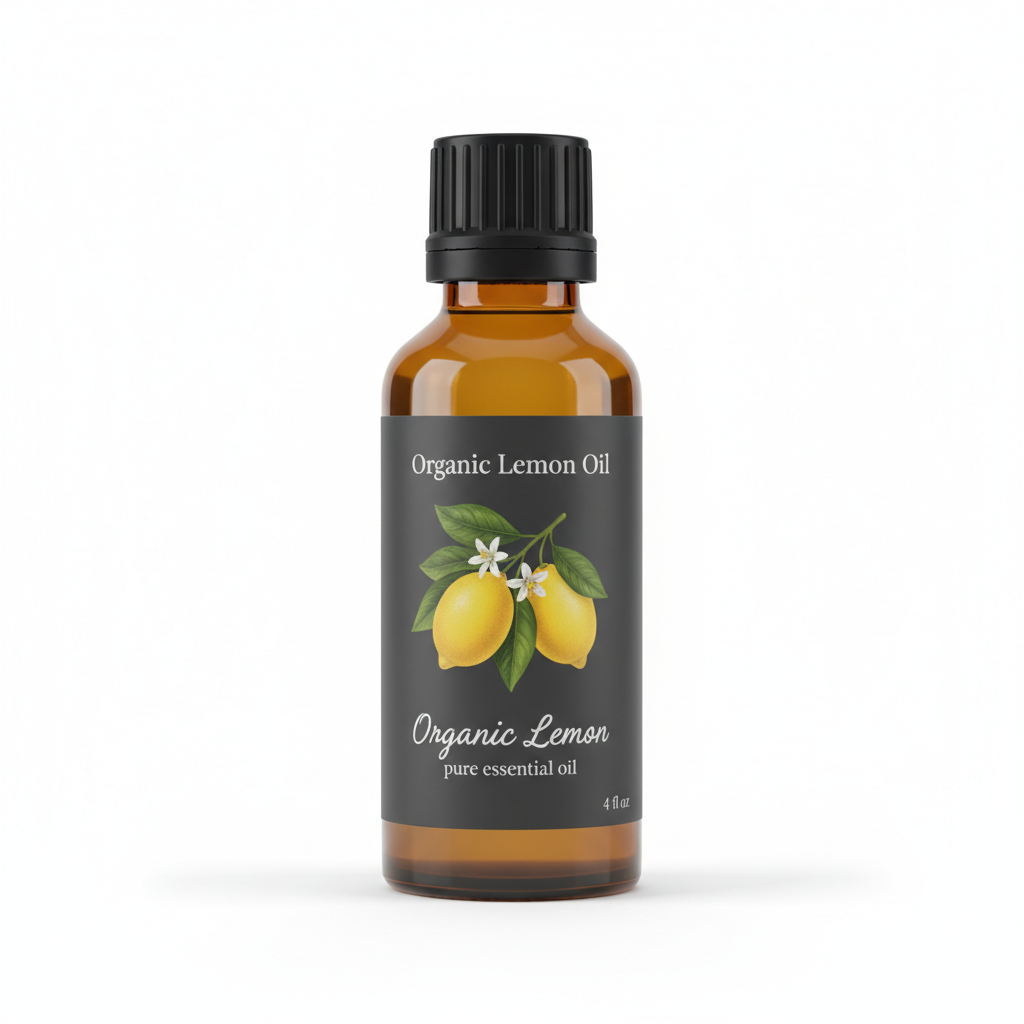
Organic Lemon Essential Oil
Our own Organic Lemon Essential Oil, in sizes from 0.5 oz to bulk.
From $15.99
Shop Now →Who Buys Wholesale Lemon Oil (and Why It Matters)
The wholesale lemon oil market serves a wide range of buyers, and their needs are genuinely different from one another.
- Natural cleaning product makers want a sharp, bright scent that performs in formulations, cuts through surfactants cleanly, and holds up in spray bottles without fading too fast.
- Candle and wax melt crafters need cold-pressed lemon oil with good throw potential and predictable scent behavior across pours.
- Soap and cosmetic formulators prioritize purity documentation, certifications, and batch-to-batch consistency because their customers notice variations.
- Fragrance blenders and perfumers often work with technical data sheets and GC/MS reports as a matter of course.
- Private-label brands need organic certification paperwork that travels cleanly through their supply chain.
Knowing which category you fall into helps you weight the criteria below. A candle maker and a cosmetic formulator are both buying bulk lemon essential oil, but they're prioritizing different things.
Quality Indicators: What to Look for Before You Buy
Quality in lemon oil is not invisible. It leaves clear evidence. Here's where to look.
Extraction Method
Genuine lemon oil is cold-pressed from the outer rind of fresh lemons. No heat is applied. This matters because limonene, the dominant aromatic compound in lemon oil, degrades with excessive heat. Steam-distilled lemon oil exists, but cold-pressed is the industry standard for cosmetic and aromatic applications, and it's what most buyers picture when they request lemon oil. Always confirm the extraction method in writing before placing a bulk order.
For a deeper look at what organic cold-pressing involves and why it affects your end product, see our guide on how to buy organic lemon oil.
Certification Documentation
If a lemon oil supplier claims organic status, they need to back it up with paperwork. Look for:
- A valid USDA NOP certificate or equivalent (EU Organic, COSMOS, etc.) issued to the farm or the distiller
- A certificate of analysis (COA) for the specific batch you're purchasing, not a generic one
- GC/MS (gas chromatography/mass spectrometry) test results confirming the oil's constituent profile
- Country of origin clearly stated
Reputable lemon oil suppliers provide all of this without hesitation. If you have to ask more than once, that's worth noting.
Botanical Source and Origin
Lemon oil pressed from Citrus limon grown in Sicily and southern Italy is considered a benchmark in the industry, largely because of the region's climate and long cultivation history. Argentinian lemon oil is also widely respected and often more competitively priced at bulk volumes. California-grown lemon oil appears in some domestic supply chains. None of these origins is automatically superior, but the supplier should know and disclose where the fruit was grown.
Scent Profile
Fresh, bright, clean citrus. That's the baseline. Lemon oil should smell like the rind of a freshly cut lemon, not lemon candy, not lemon cleaning fluid. Off-notes to watch for include a musty or oxidized character (which signals age or poor storage), a flat or one-dimensional scent (which can indicate adulteration with synthetic limonene), or a harsh solvent-like edge. Request a sample before committing to bulk quantities. Any serious supplier expects this.
Key Features to Compare Across Suppliers
When you're evaluating multiple lemon oil suppliers side by side, these are the categories that separate good sources from great ones.
| Feature | What to Ask | Why It Matters |
|---|---|---|
| Limonene content | What percentage does your GC/MS show? | Pure cold-pressed lemon oil typically runs 60-80% limonene. Lower numbers or unusual spikes can indicate blending. |
| Batch traceability | Can you provide a lot number and trace it to a specific harvest? | Critical for cosmetic and food-contact product liability and for your own quality records. |
| Packaging options | Do you offer glass, aluminum, or HDPE containers at bulk volume? | Lemon oil oxidizes faster in clear plastic. Amber glass or aluminum protects shelf life. |
| Minimum order quantity (MOQ) | What are your break points for pricing? | Some suppliers have MOQs as low as 1 kg; others require 25 kg or more. Know your volume needs before inquiring. |
| Freshness and pressing date | When was this batch pressed? | Lemon oil has a shorter shelf life than many essential oils, typically 1-2 years. Older stock means less runway for your production. |
| Return and complaint policy | What happens if the batch doesn't match specs? | Legitimate suppliers stand behind their COAs. Vague answers here are a warning sign. |
Price Tiers: What to Expect at Each Level
Wholesale lemon oil pricing fluctuates with harvest conditions, but the tier structure is relatively stable. Here's a realistic picture.
Entry-Level (Budget Wholesale)
Roughly $15-$30 per 100ml equivalent when bought in quantities of 1-5 kg. At this price point, you're often looking at conventional (non-organic) lemon oil, possibly blended stock, or oil from suppliers who don't provide GC/MS data as standard. It can work for cleaning product applications where the aromatic function is primary and certification is less critical. Scrutinize every document available and request samples.
Mid-Range (Quality Wholesale)
Organic or verified single-origin lemon oil from established suppliers typically lands in the $30-$55 per 100ml range at moderate bulk volumes (5-25 kg). You should expect full documentation at this tier: COA, GC/MS, organic certificate, country of origin. This is the sweet spot for most makers who sell finished products and need clean supply chain paperwork.
Premium (Certified Organic, Traceable)
Above $55 per 100ml equivalent at bulk volumes, you're generally in premium single-origin territory: Sicilian cold-pressed, USDA Organic certified, with farm-level traceability. This tier makes sense for cosmetic lines, private-label brands with strict ingredient standards, or formulators whose customers are specifically paying for provenance.
Price alone is not a quality signal in either direction. Overpriced mediocre oil exists. Fairly priced excellent oil also exists. The documentation tells you more than the number does.
Red Flags to Avoid
These patterns appear often enough in the wholesale market that they're worth naming directly.
No GC/MS on Request
A supplier who deflects, delays, or charges extra for test data is not operating to professional standards. GC/MS reports are the baseline in this industry. Walk away.
Suspiciously Low Pricing
Lemons are a real agricultural crop. Cold-pressing is a real process. Organic certification involves real costs. If the price seems impossible, the oil has probably been extended with synthetic limonene or cut with a carrier. This is not just a quality concern for your product. It's a labeling and consumer trust issue.
Vague or Generic Labeling
"Natural lemon fragrance oil" and "lemon essential oil" are not the same thing. Some suppliers list products in ways that blur this line. If the listing does not clearly state Citrus limon, cold-pressed, and country of origin, ask before ordering. Our article on how to spot pure lemon oil covers exactly how to read labels and documentation for signs of dilution or misrepresentation.
Conflating Lemon Oil with Other Citrus Oils
Lemon oil, lemon eucalyptus oil, and lemon myrtle oil are entirely different plants with different constituent profiles. A supplier who seems unclear on this distinction, or whose catalog mixes these categories loosely, is not a specialist you can rely on. If you want to understand exactly how different these oils are, our piece comparing lemon oil vs. lemon eucalyptus oil lays out the distinction clearly.
No Sample Option
Refusing to provide samples before a bulk commitment is unusual behavior. Most legitimate wholesale lemon oil suppliers offer samples, sometimes at a small cost that's credited to your first full order. If sampling isn't an option at all, that's a meaningful signal.
Where to Buy Bulk Lemon Essential Oil
Your sourcing channel shapes what kind of service and documentation you'll receive.
Direct from Distillers or Importers
The most direct route, and often the best for traceability. Importers who specialize in citrus oils from Italy or Argentina typically have the strongest documentation and the freshest stock. Minimum order quantities tend to be higher, but the supply chain is shorter and cleaner.
Specialty Essential Oil Wholesalers
Companies that focus specifically on essential oils for the craft and cosmetic market often offer flexible minimums, good documentation, and responsive customer service for smaller makers. Look for suppliers with a published COA portal, a physical address, and visible customer reviews from other makers and formulators.
B2B Marketplaces
Platforms like Faire, Alibaba, or similar global marketplaces give you access to a large range of suppliers, including many who offer competitive pricing on wholesale lemon oil. The tradeoff is that vetting requires more active effort on your part. Verify every certification independently. Don't rely on platform badges alone.
Domestic Natural Product Distributors
For US-based makers, domestic distributors offer faster shipping, simpler customs, and sometimes better responsiveness on quality questions. Pricing is typically higher per unit than direct import, but the logistics savings can offset that for smaller operations.
Building a Long-Term Supplier Relationship
The best sourcing relationships in this space are built over time. Start with a sample order. Evaluate the documentation, the scent, and the service. Place a modest first bulk order and document your results. If the batch performs consistently in your formulations and the COA matches what you're smelling, you've found a supplier worth investing in.
Ask your supplier about harvest timing. Lemon oil presses in peak seasons, and freshness matters more than many buyers realize. A supplier who knows their crop calendar and communicates it proactively is operating at a professional level.
Good wholesale lemon oil is out there. The buyers who find it consistently are the ones who ask the right questions upfront, request documentation as a matter of course, and take samples seriously. That groundwork pays off in every bottle you fill.