How Lemon Oil Is Made: Cold Pressing Organic Citrus Limon Peels
Lemon oil has one of the most recognizable scents in the natural world: bright, citrusy, and unmistakably fresh. But the process behind that vibrant aroma is quieter and more mechanical than most people expect. No heat. No solvents. Just pressure, water, and ripe organic peel.
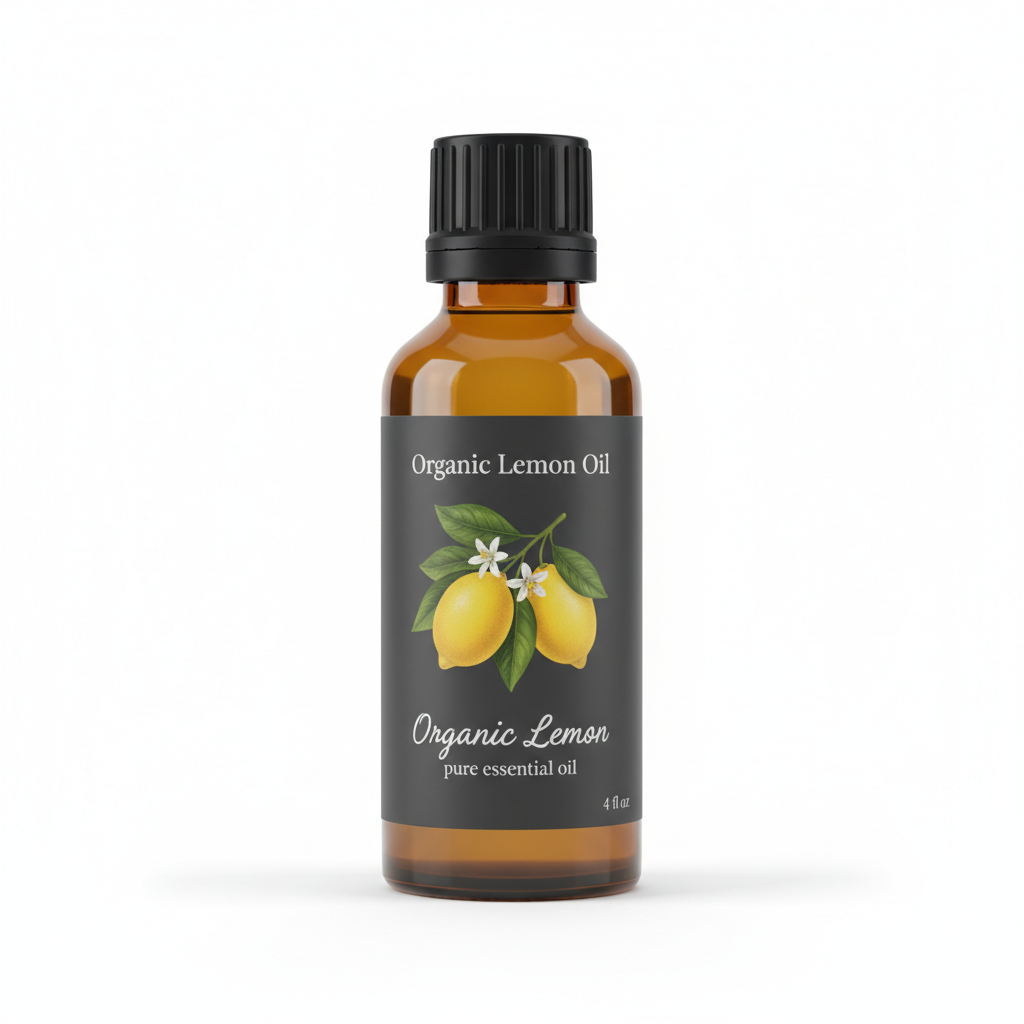
Organic Lemon Essential Oil
Our own Organic Lemon Essential Oil, in sizes from 0.5 oz to bulk.
From $15.99
Shop Now →This guide walks through exactly how lemon oil is made using the cold pressing method, from the moment a lemon arrives at the processing facility to the bottled oil you eventually hold in your hand. Along the way, you will find tips on what separates a high-quality cold pressed lemon oil from a mediocre one, and where the process most often goes wrong.
If you are new to lemon oil and want broader context before diving into the production process, the complete guide to organic cold pressed lemon oil is a good place to start.
Why Cold Pressing Matters
Most essential oils are produced through steam distillation, which uses heat to pull volatile aromatic compounds out of plant material. Citrus oils are different. Their aromatic compounds live in tiny sacs (called flavedo oil glands) embedded just beneath the surface of the peel. These compounds are sensitive to heat. Distilling lemon peel can alter or degrade some of the lighter, more delicate top notes that give the oil its characteristic lift.
Cold pressing avoids heat entirely. The peel is mechanically ruptured under pressure, releasing the oil directly. The result is a lemon peel oil that stays closer to the aroma of a freshly zested lemon than anything produced by distillation can achieve.
The trade-off is shelf life. Because cold pressed lemon oil retains naturally occurring waxes, pigments, and other non-volatile compounds from the peel, it oxidizes faster than distilled citrus oils. Proper storage matters. More on that below.
Materials and Equipment Overview
Commercial cold pressing uses industrial machinery, but understanding each component helps you evaluate the quality claims on any bottle you are considering buying. Here is what goes into the process:
- Organic Citrus limon fruit: The source material. Certified organic lemons must be grown without synthetic pesticides or herbicides. This matters especially for cold pressed oils because the pressing process extracts compounds directly from the peel, including any residues that might be present on a conventionally grown fruit.
- Washing and sorting equipment: Conveyor-fed wash stations that rinse whole fruit before processing.
- Scarification or rasping machine (ecuelle à piquer style): A rotating drum or plate covered in small spikes or pins. As the whole fruit tumbles through, the pins puncture and abrade the outer peel layer without breaking into the pith or the juice sacs.
- Counter-current water spray: Water continuously rinses the ruptured peel surface, carrying the released oil emulsion away from the fruit.
- Centrifuge: Separates the oil from the water-and-pulp mixture (called the centrifugate or sfuma) at high rotational speed.
- Polishing centrifuge or filtration stage: Removes remaining fine particles and water from the separated oil.
- Dark glass or food-grade stainless storage vessels: For holding finished oil before bottling.
A smaller number of artisan producers use a whole-fruit press method rather than the ecuelle/scarification approach, squeezing both peel and juice together and then separating the oil. Results vary. The scarification method is generally considered more controlled and produces a cleaner lemon peel oil.
Step-by-Step: How Cold Pressed Lemon Oil Is Made
Step 1: Sourcing and Certifying Organic Fruit
The process begins long before the first lemon reaches the press. For a lemon oil to carry a certified organic label, the fruit must come from an orchard that meets the certification standards of the relevant certifying body (such as USDA NOP or EU organic regulation). Growers maintain records of every input used on the trees, from soil amendments to irrigation water.
Reputable processors work with dedicated growers or co-ops, often in Sicily (a longstanding center of Citrus limon cultivation), California, or Argentina, depending on the season. Harvest timing matters too. Fruit picked at peak ripeness tends to yield oil with a fuller, more rounded aroma profile.
Step 2: Receiving, Inspection, and Washing
When fruit arrives at the processing facility, it goes through a visual and sometimes laboratory inspection. Damaged or moldy fruit is removed. Mold can introduce unwanted compounds that will end up concentrated in the finished oil.
The whole lemons are then washed thoroughly in potable water. Some facilities use a brief warm water rinse (not hot, not a chemical wash) to remove surface residues. After washing, the fruit moves to the pressing line.
Step 3: Scarification (Rupturing the Oil Glands)
This is the core of the cold pressing method. The clean whole lemons tumble through a scarifier, which is a drum or conveyor lined with small metal spikes or abrasive teeth. As the fruit moves through, the spikes pierce the outer flavedo layer of the peel, the bright yellow outer skin where the oil glands sit. The goal is precision: rupture the glands without cutting into the white pith (albedo) below, and without puncturing the juice vesicles inside the fruit.
Why does pith matter? The white albedo layer contains bitter limonin compounds. If the pressing damages the pith, those compounds enter the oil and compromise both the aroma and the stability of the finished product.
Simultaneously, a fine water spray (the counter-current wash) flows over the fruit surface, catching the oil as it releases from the ruptured glands. This mixture of oil, water, tiny peel particles, and juice is called the sfuma or centrifugate. It looks milky or yellowish-green at this stage, nothing like finished oil.
Step 4: Collecting the Sfuma
The sfuma is collected in large tanks below the scarifier. At this point it is an emulsion: the oil has not yet separated from the water. The mixture is kept cool throughout collection. Any significant rise in temperature at this stage can begin to degrade the lighter aromatic compounds before they ever reach the centrifuge.
This is one reason the term "cold pressed" is meaningful rather than just marketing language. Maintaining low temperatures through the entire mechanical process protects the volatile fractions that give the oil its characteristic bright scent.
Step 5: Centrifugation (Separating Oil from Water)
The sfuma is fed into a high-speed centrifuge. Spinning at several thousand RPM, the centrifuge separates the mixture by density. Water, pulp solids, and juice move to the outer edge. The lighter oil fraction migrates toward the center and is drawn off separately.
What comes off the centrifuge is not yet finished oil. It still contains fine suspended particles, trace water, and waxes from the peel. A second centrifuge pass (sometimes called polishing) or a fine filtration stage removes most of these.
Step 6: Finishing, Testing, and Storage
After polishing, the lemon peel oil is tested. Reputable producers run gas chromatography and mass spectrometry (GC-MS) analysis to verify the chemical profile of the oil and confirm it has not been adulterated with synthetic compounds or extended with carrier oils. Limonene (typically 60 to 80 percent or more of the composition) is the primary marker. Gamma-terpinene, beta-pinene, and citral are also commonly tested.
The finished oil is stored in dark, sealed vessels, usually stainless steel or dark glass, and kept in a cool environment. Cold pressed lemon oil is particularly susceptible to oxidation, so minimizing its exposure to light, heat, and air from this point forward is essential.
Step 7: Bottling and Documentation
Before bottling, the lot is assigned batch documentation. For a certified organic product, this paperwork traces the oil back to the orchard. Certificates of analysis, organic certification documents, and country of origin information should all be available to buyers who ask. If a supplier cannot produce these documents, that is worth noting before you purchase.
The oil is bottled into dark amber or cobalt glass bottles, which block UV light and slow the oxidation process. A well-sealed bottle stored away from direct light and heat can retain good aromatic quality for one to two years. Once opened, most cold pressed lemon oils are best used within six to twelve months.
What Good Cold Pressed Lemon Oil Should Look and Smell Like
Color: Pale yellow to greenish-yellow. Some cloudiness or slight haze is normal in unfiltered or lightly filtered cold pressed oil. Heavy cloudiness or visible particles suggest poor filtration or degradation.
Scent: Bright, true-to-fruit citrus with a clean, slightly tart opening note. Some people describe a light floral undertone in high-quality Sicilian oil. A flat, faintly chemical, or unusually sharp smell may suggest oxidation or adulteration.
Consistency: Thin and fluid at room temperature. Cold pressed lemon oil does not solidify unless chilled significantly. If your bottle looks waxy or thick at room temperature, something is off.
Common Mistakes in Production (and What They Mean for Buyers)
Over-scarification
Pressing too aggressively ruptures the pith and juice vesicles along with the oil glands. The resulting oil carries bitter notes and has a shorter shelf life. This is one reason cold pressing is considered a skilled process, not just a mechanical one.
Processing Fruit Too Long After Harvest
Lemon oil begins degrading the moment the glands are damaged. Even before pressing, overripe or post-peak fruit produces oil with a flatter aroma. The best producers process fruit quickly after harvest.
Inadequate Temperature Control
Allowing the sfuma to warm significantly during collection or centrifugation degrades the lighter volatile fractions. Buyers cannot see this in a finished bottle, which is one reason third-party GC-MS testing is so valuable as a quality check.
Poor Storage of Finished Oil
Even perfectly produced cold pressed lemon oil can deteriorate quickly if stored improperly before it reaches you. Look for sellers who store in dark, cool conditions and provide a clear bottling or best-by date on the label.
A Note on Safety Before You Use Lemon Peel Oil
Cold pressed lemon oil contains naturally occurring furanocoumarins, compounds that can make skin more sensitive to UV light. This is called photosensitivity, and it is a real consideration for anyone using the oil in leave-on skin applications. If you are exploring how to use lemon oil safely on skin, the lemon oil safety guide covering photosensitivity, dilution, and use around children covers this in detail. If you have pets in your home, it is also worth reading through the careful pet owner's guide to lemon oil around cats and dogs before diffusing or using the oil in shared spaces.
Quick Reference: Cold Pressing Process Summary
| Stage | What Happens | Key Quality Factor |
|---|---|---|
| Sourcing | Certified organic Citrus limon fruit selected at peak ripeness | Organic certification, harvest timing |
| Washing and Inspection | Fruit washed and sorted; damaged fruit removed | No mold or surface contamination |
| Scarification | Spikes rupture outer peel glands; water carries oil away | Precision; no pith damage |
| Sfuma Collection | Oil-water emulsion collected at low temperature | Temperature control throughout |
| Centrifugation | Oil separated from water and solids | Clean separation, polishing pass |
| Testing | GC-MS analysis verifies chemical profile and purity | Third-party documentation available |
| Storage and Bottling | Bottled in dark glass; kept cool and sealed | UV protection, clear batch date |
The Bigger Picture
Cold pressing is a relatively simple concept, mechanically speaking. What makes it challenging is the accumulation of small decisions: fruit quality, scarification pressure, temperature management, separation speed, storage conditions. Each one affects the final oil you open. When a cold pressed lemon oil smells genuinely alive and bright, it is because someone got most of those decisions right, from the orchard to the bottle.
Knowing how lemon peel oil is made gives you a practical lens for reading labels, asking better questions of suppliers, and understanding why organic certification and third-party testing are not just marketing points. They are windows into a process that is invisible by the time the bottle reaches you.